
Grado

Grado Labs has been in the same Brooklyn building since 1953 and the family still runs it. Joseph Grado started out making phono cartridges, the company still makes them, and the headphones came later and took over.
What Grado is known for is a particular open-back sound: forward, quick and direct, with the midrange pushed toward you rather than set back behind the speakers. People who love it tend to stop looking, and people who do not usually know inside a minute. That is a useful quality in a headphone and the reason these are worth hearing before buying rather than after.


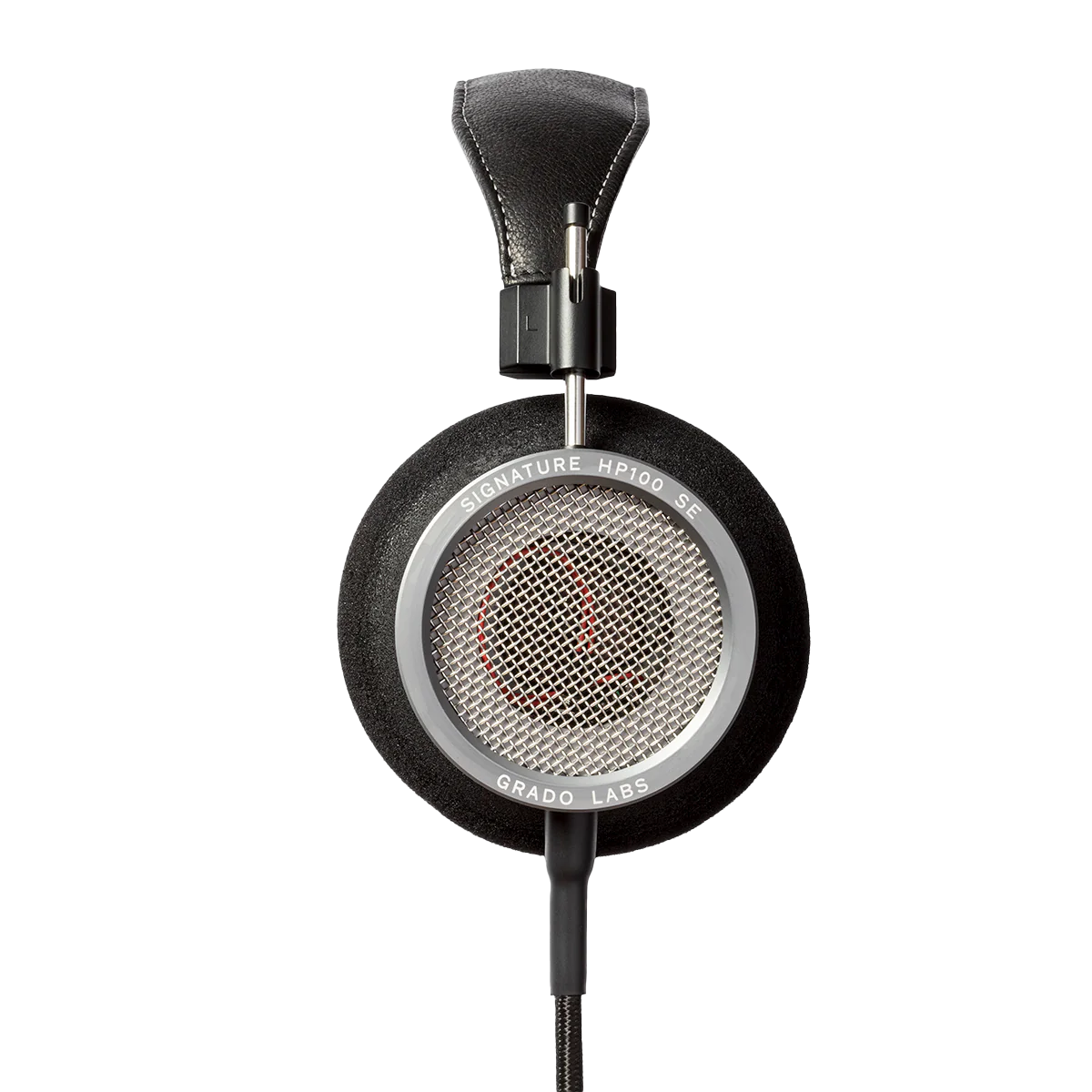
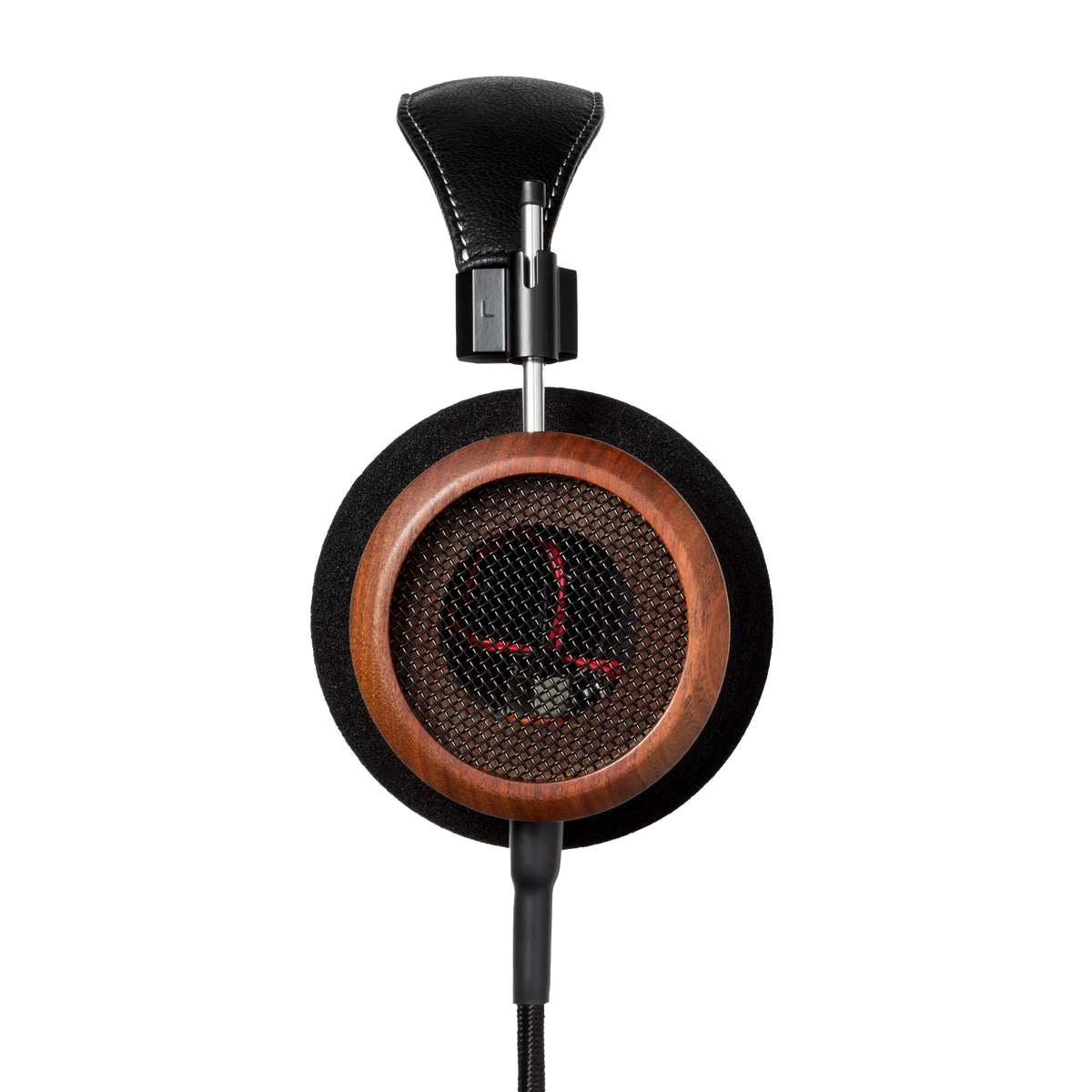
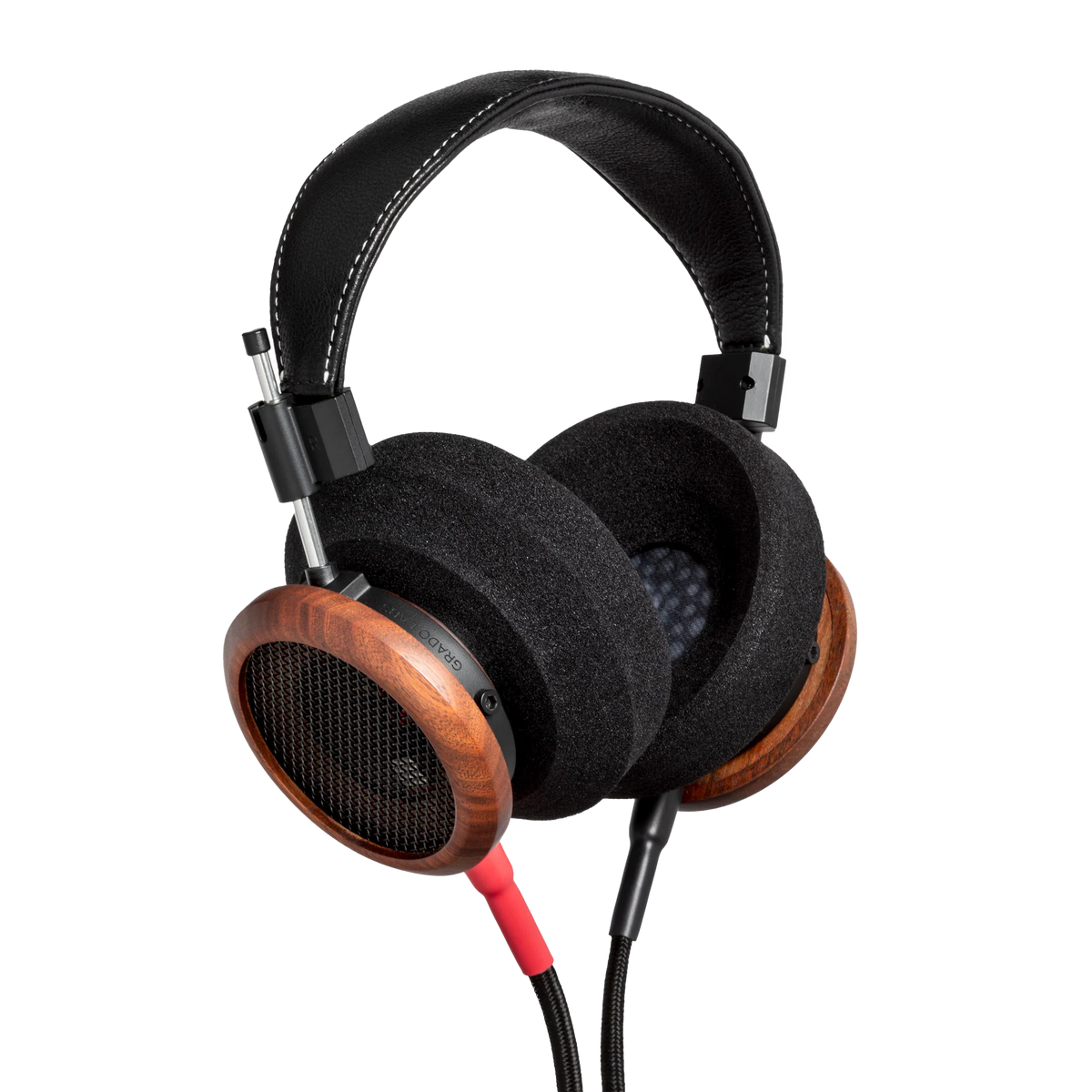
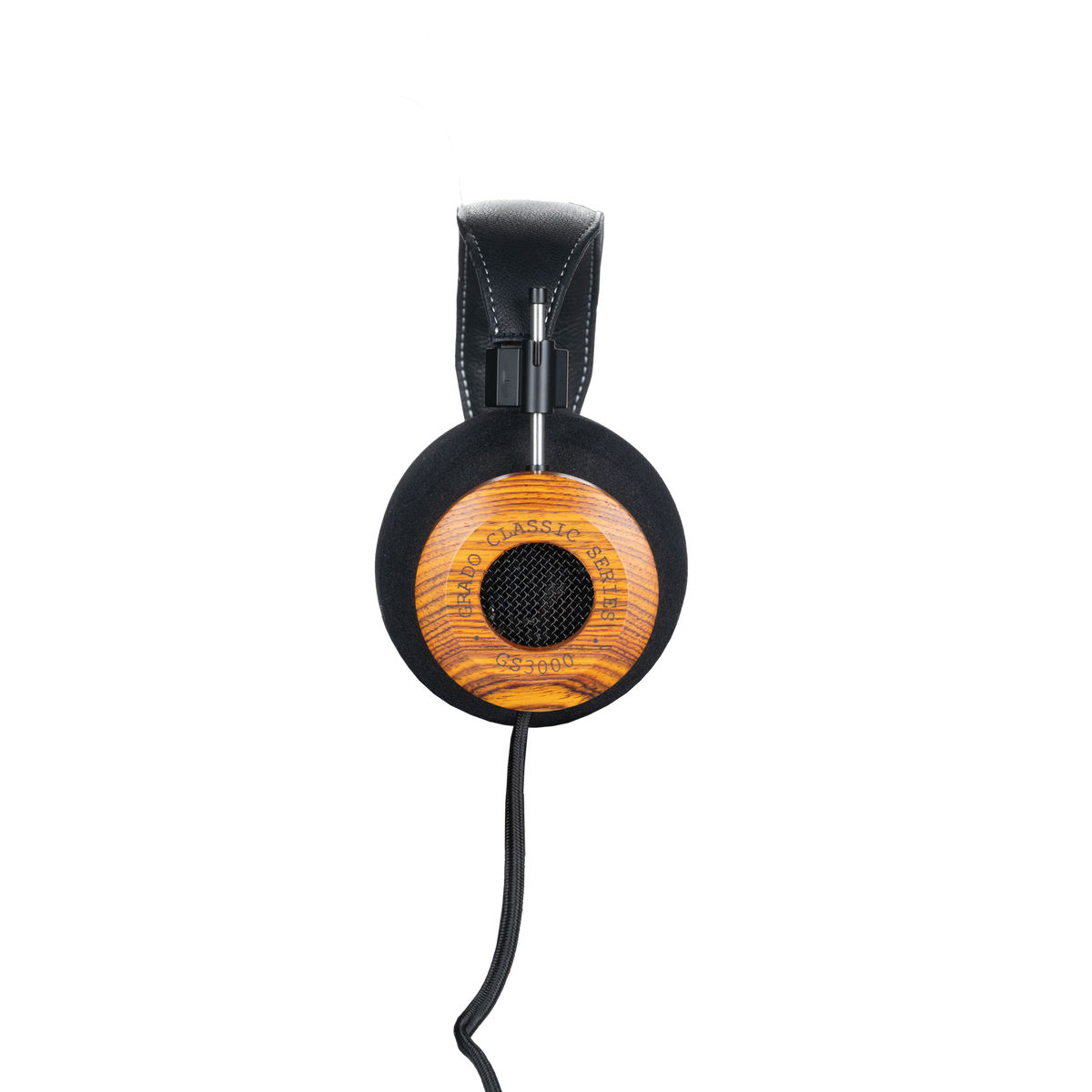
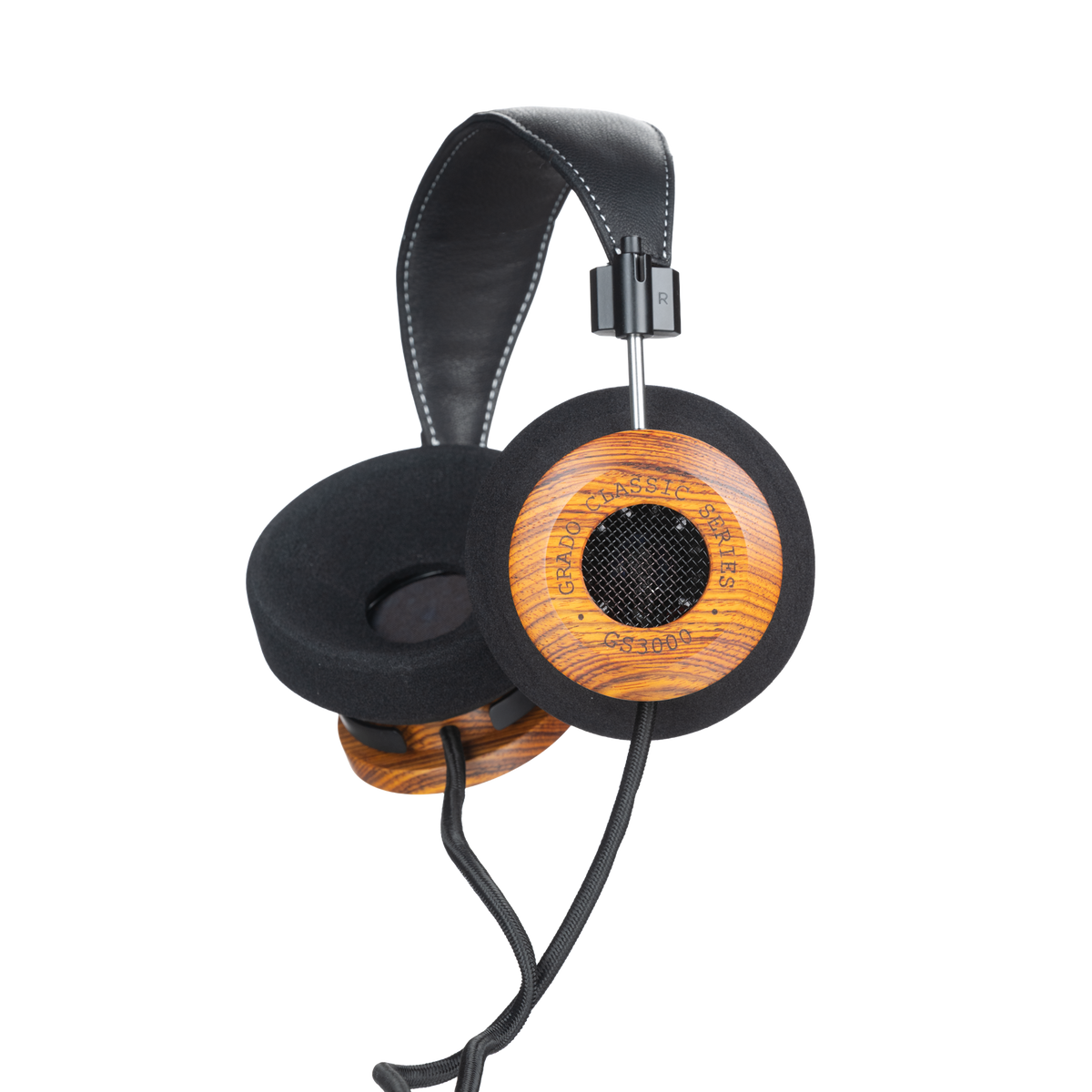
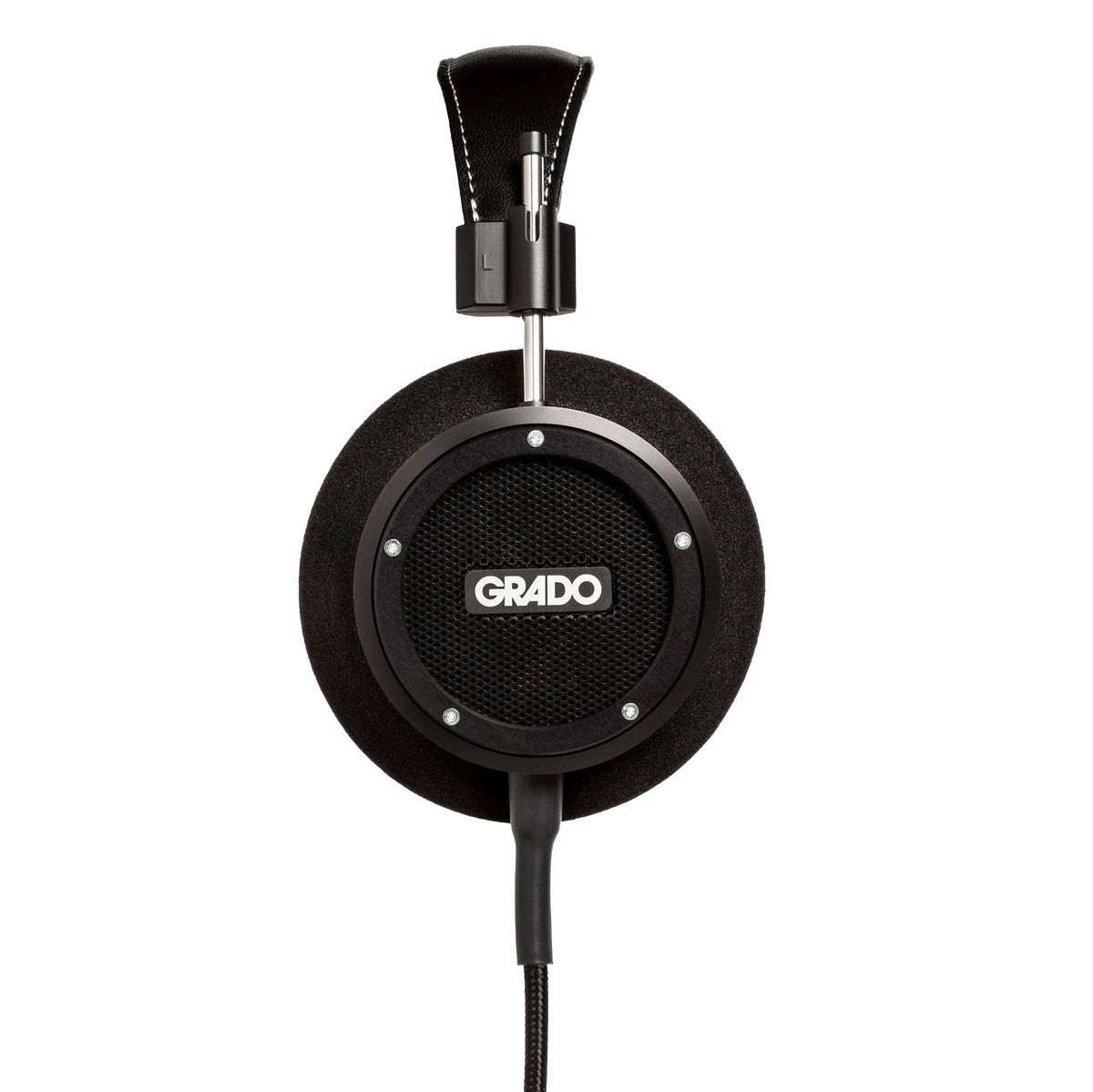
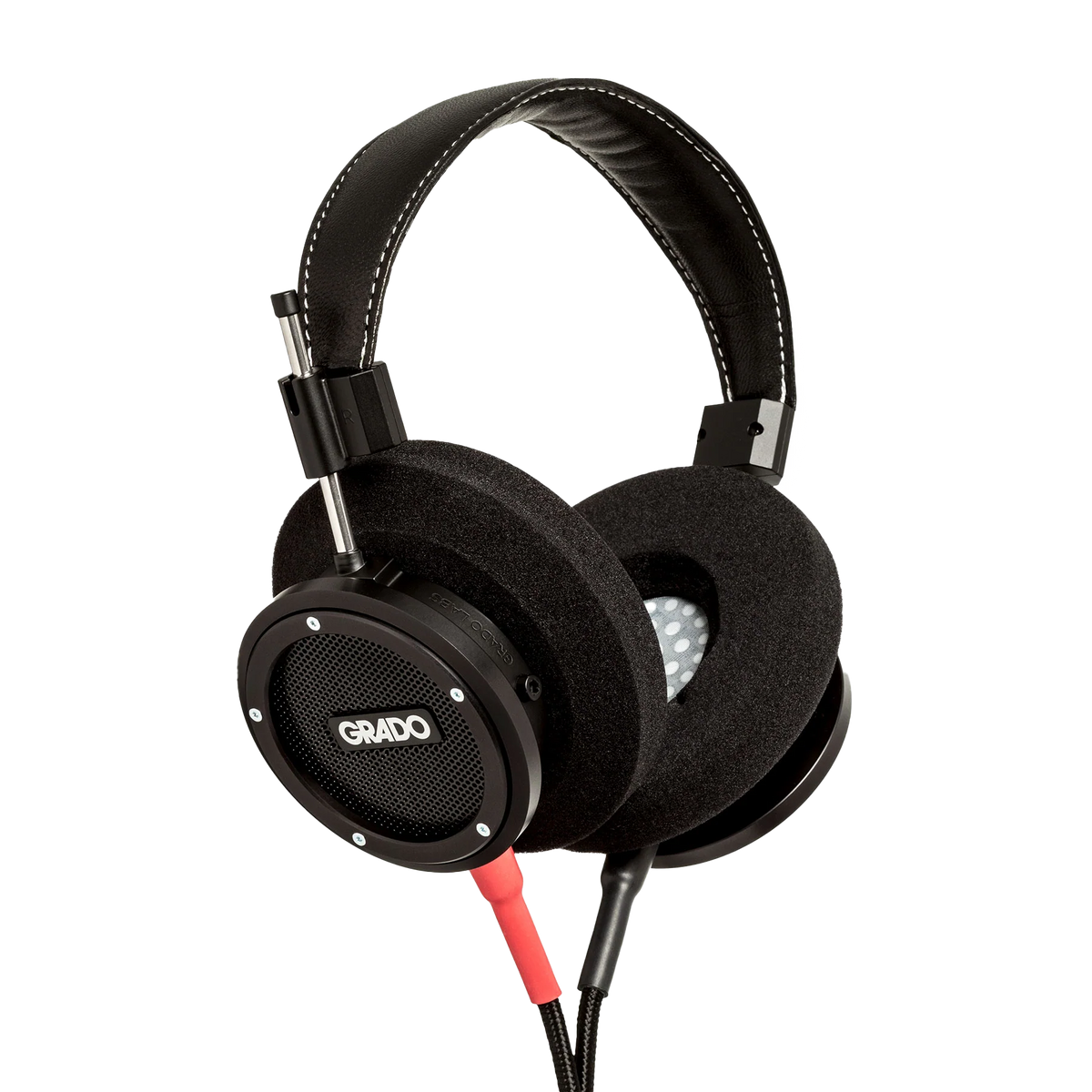


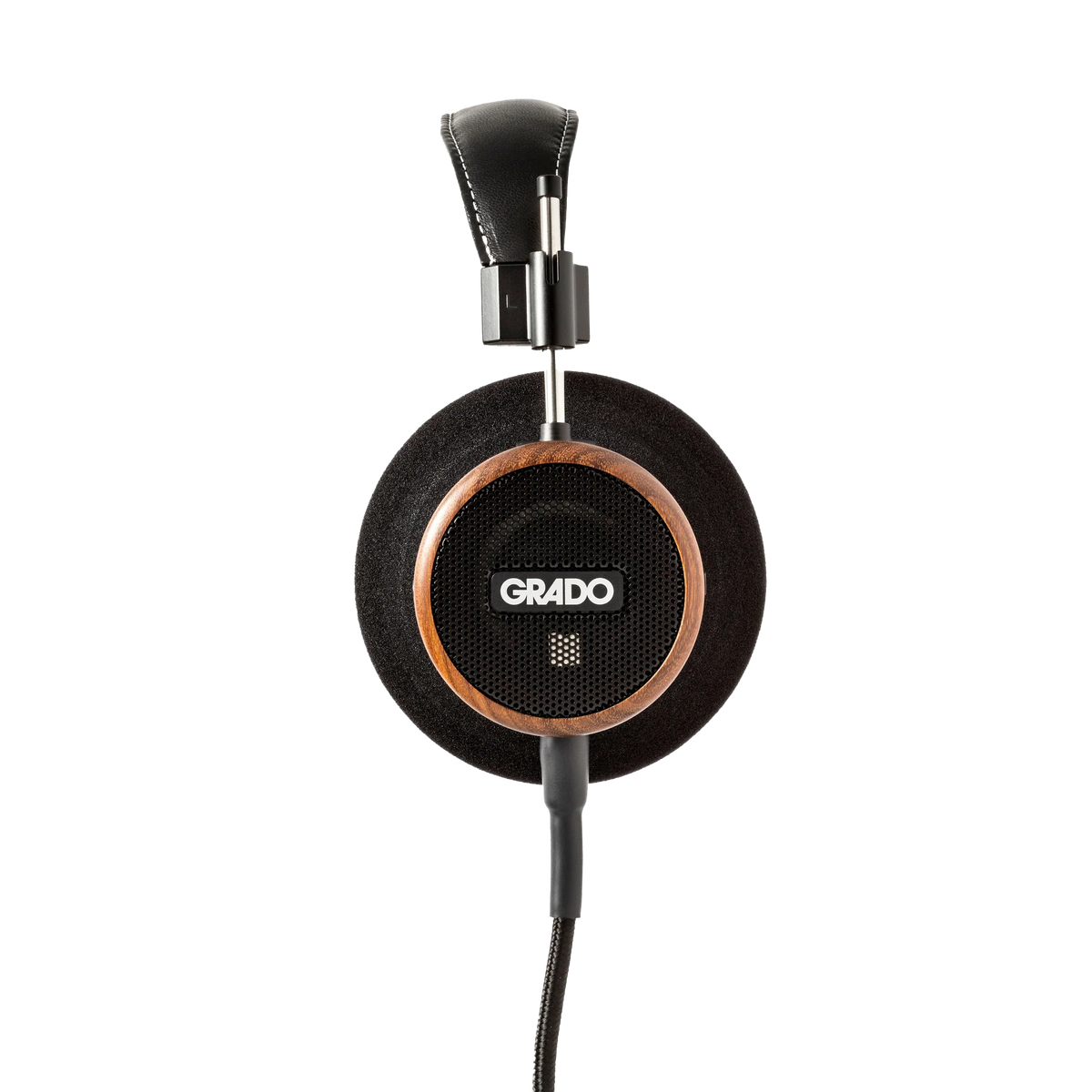
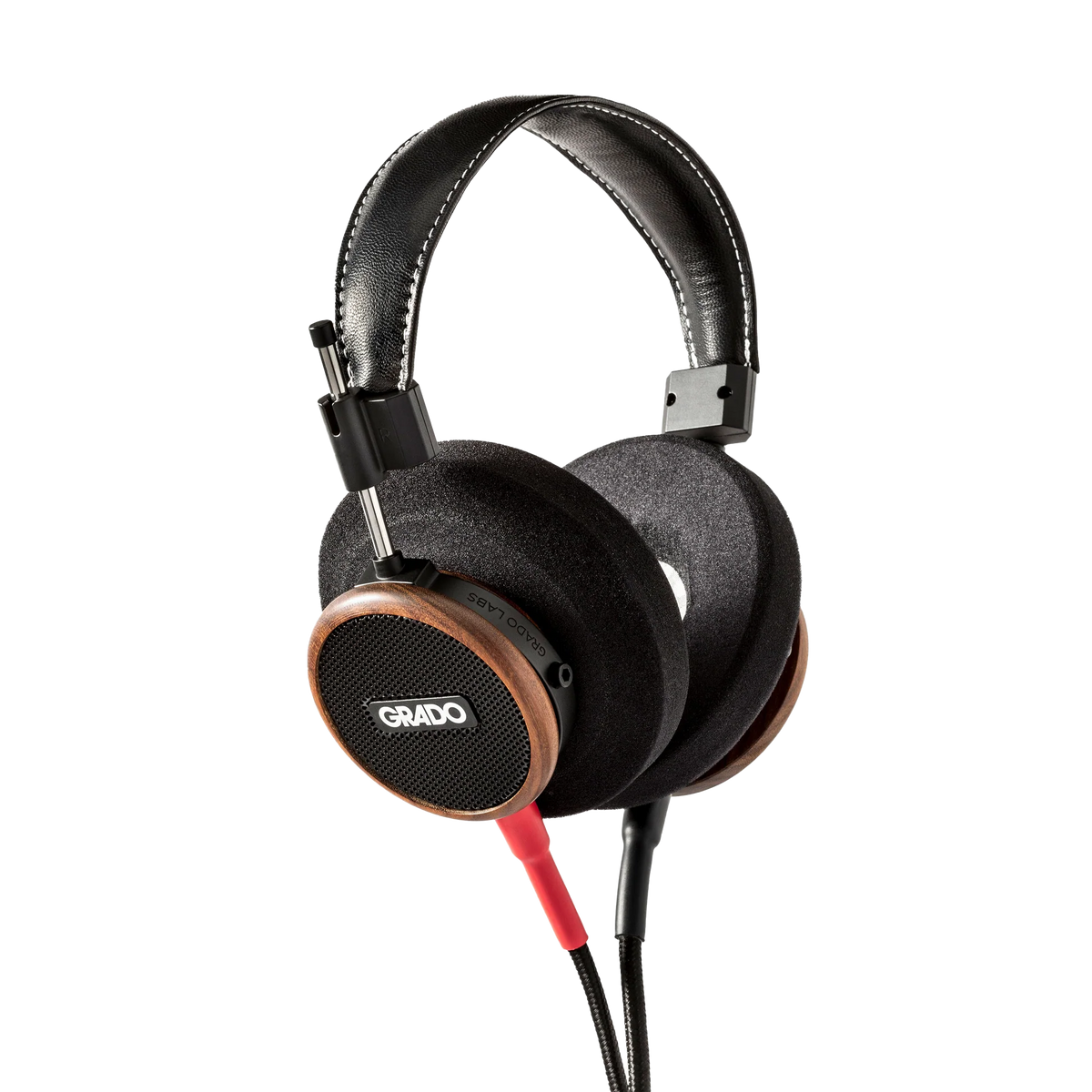


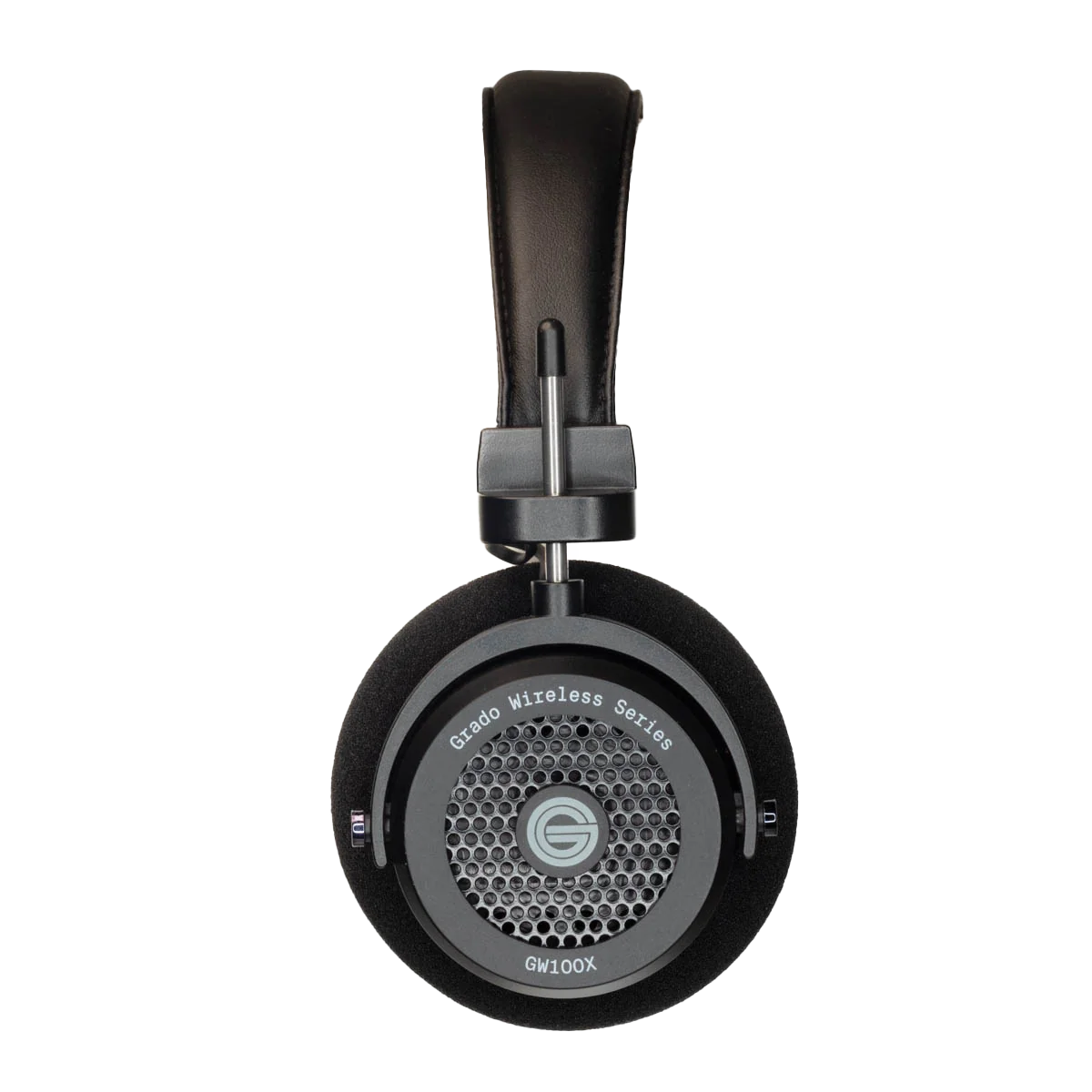
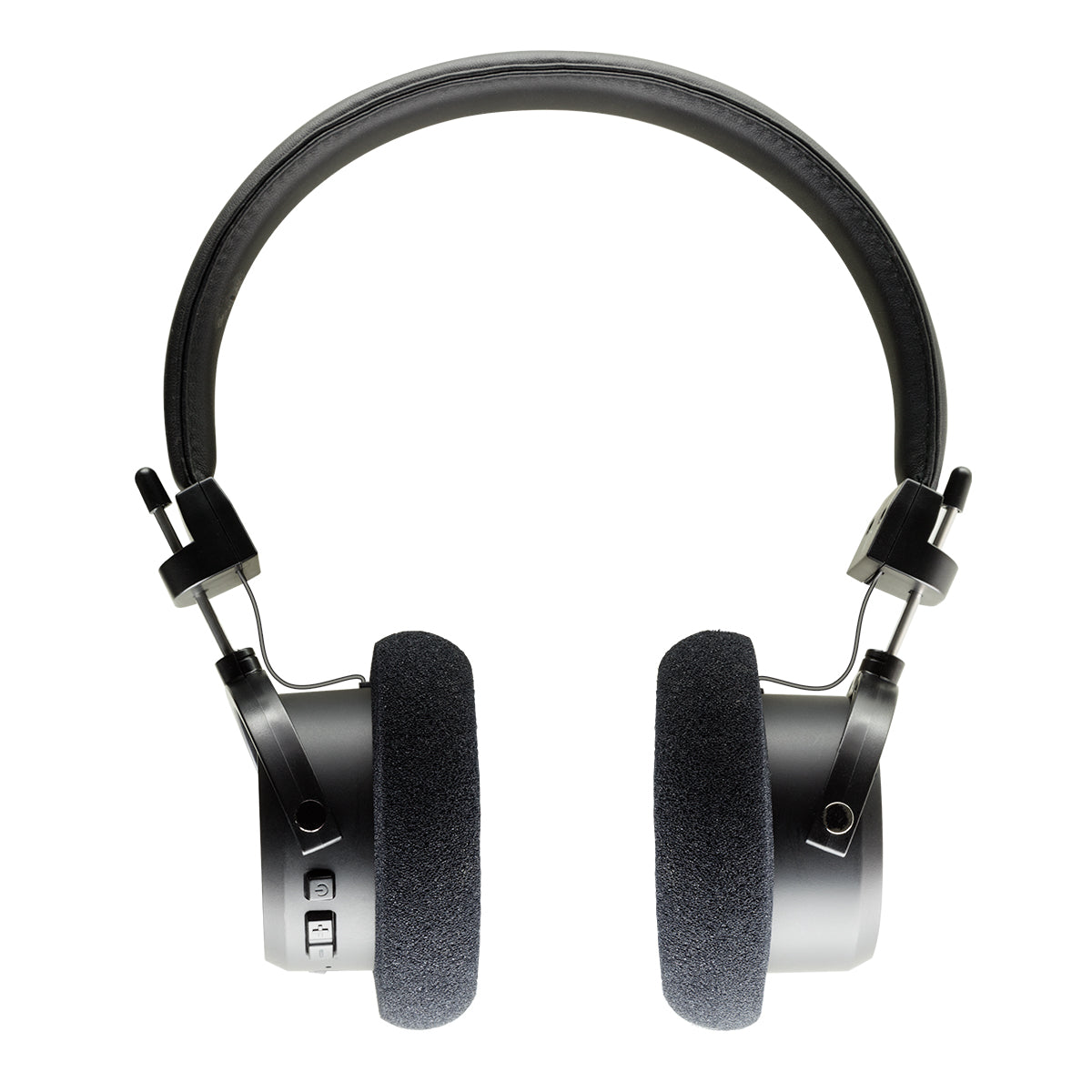




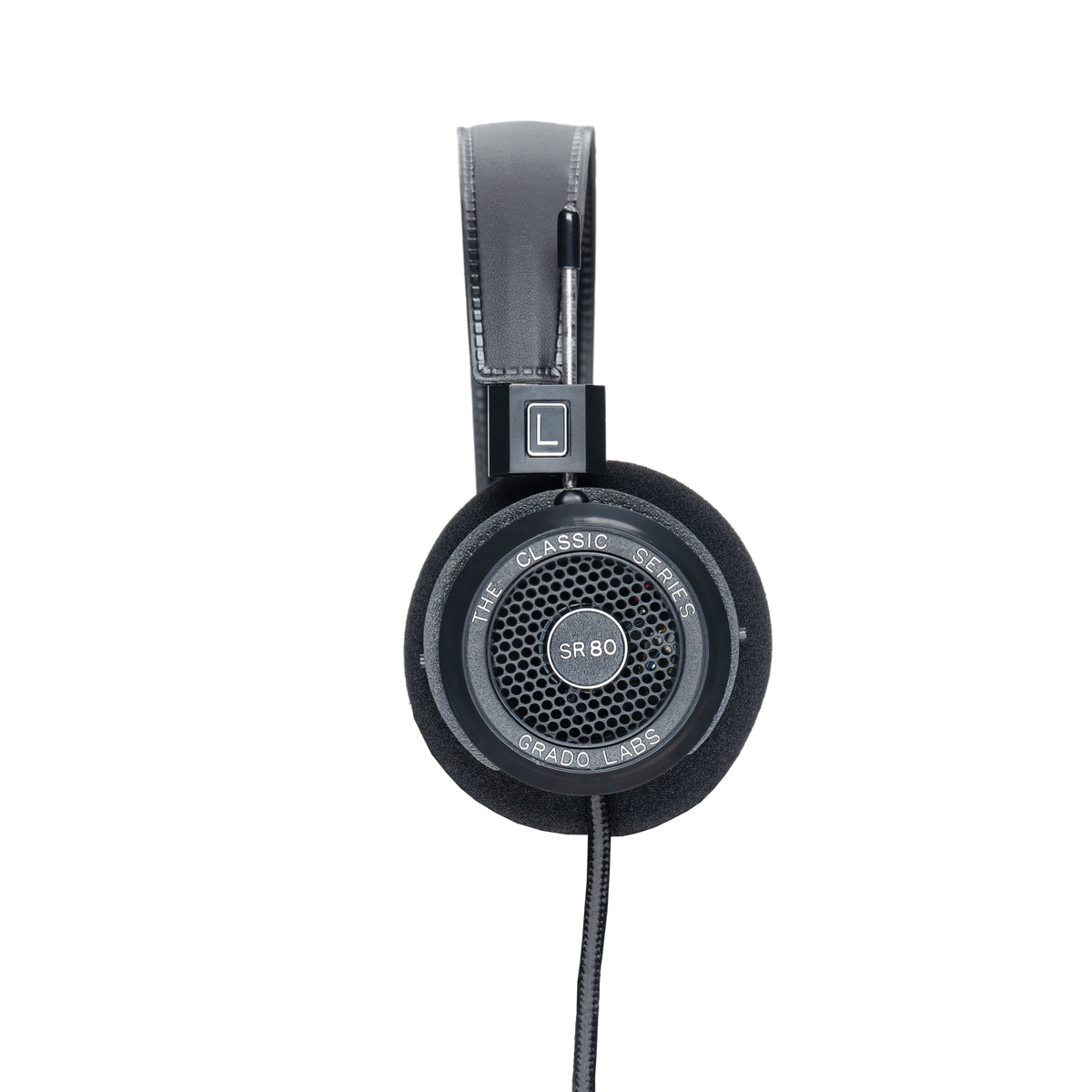
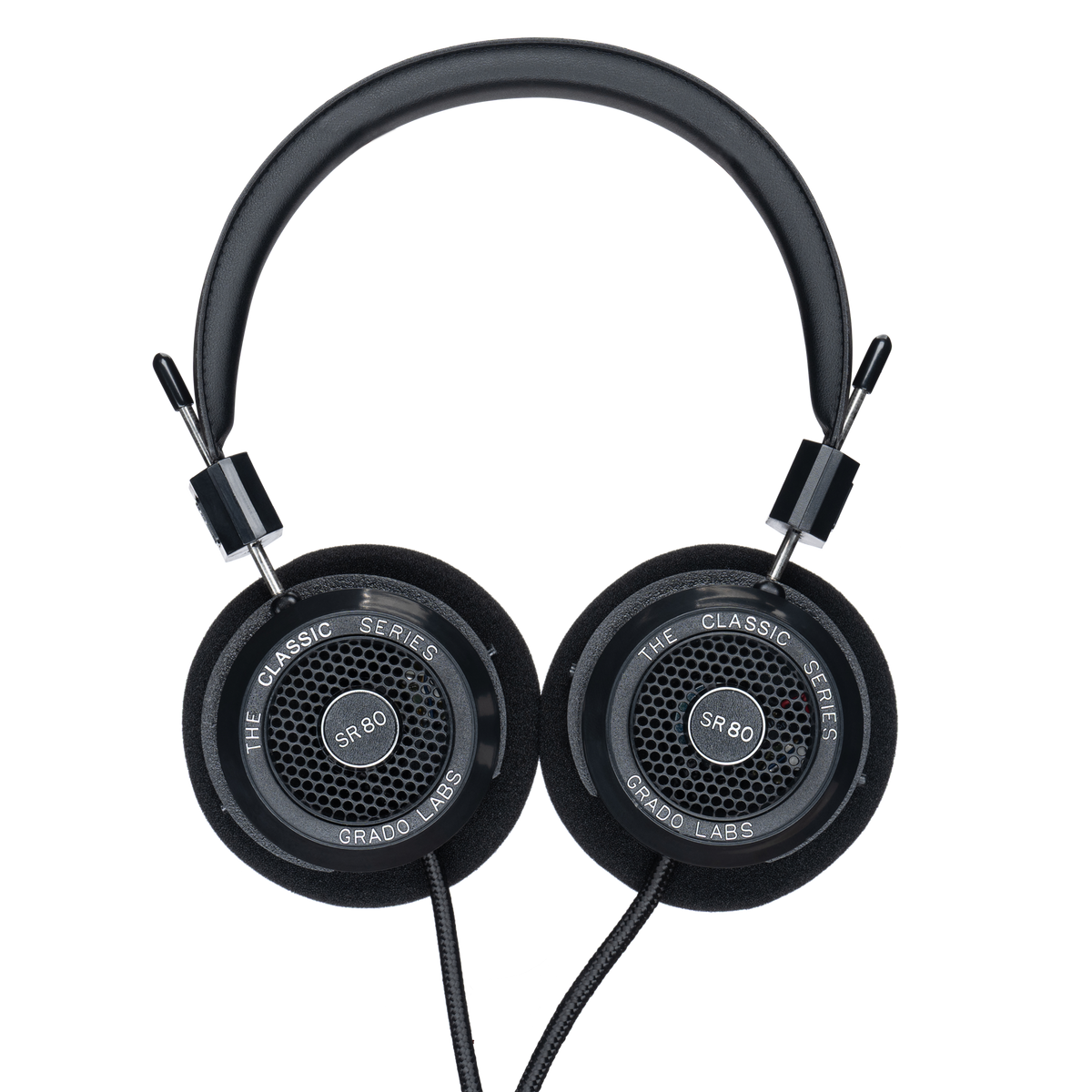




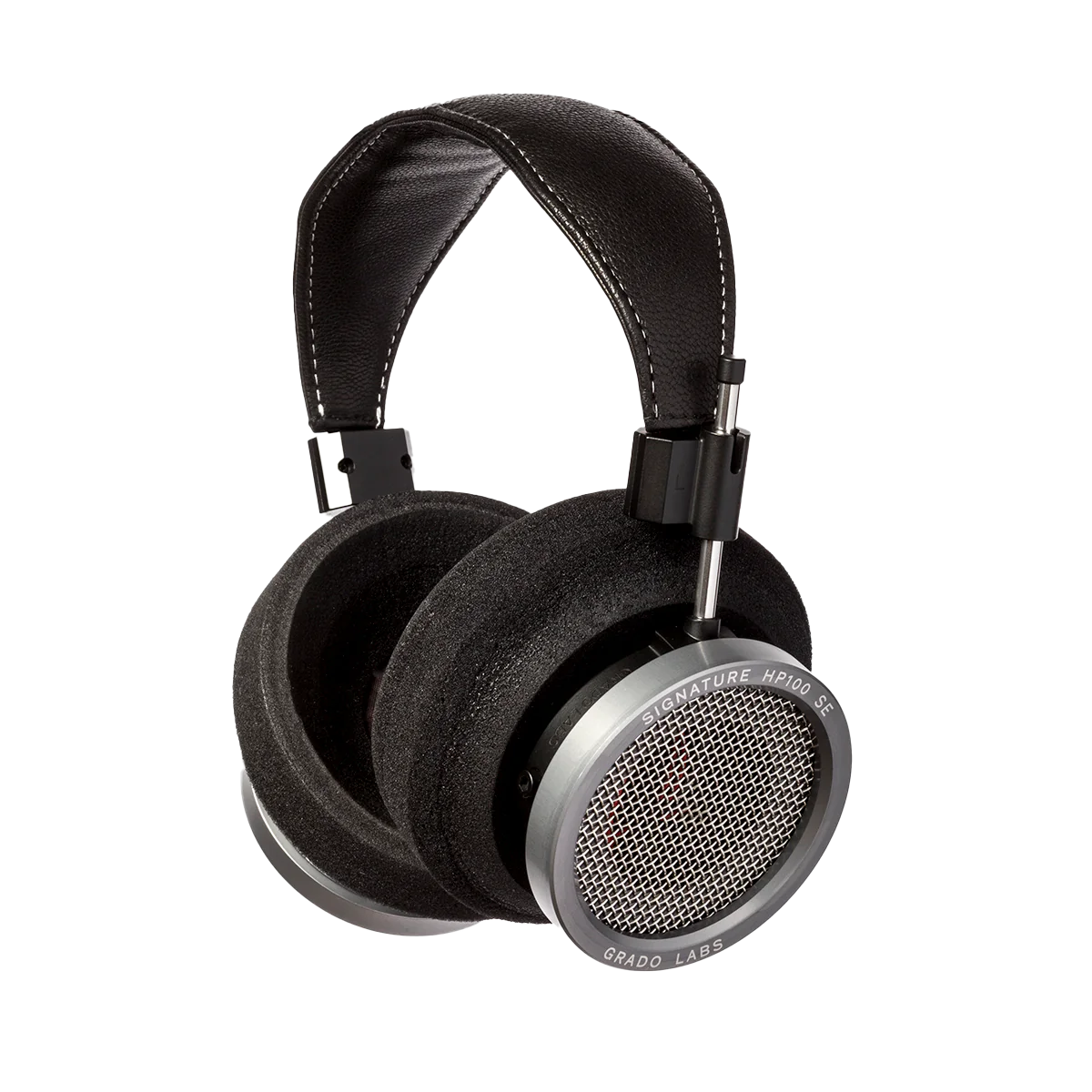


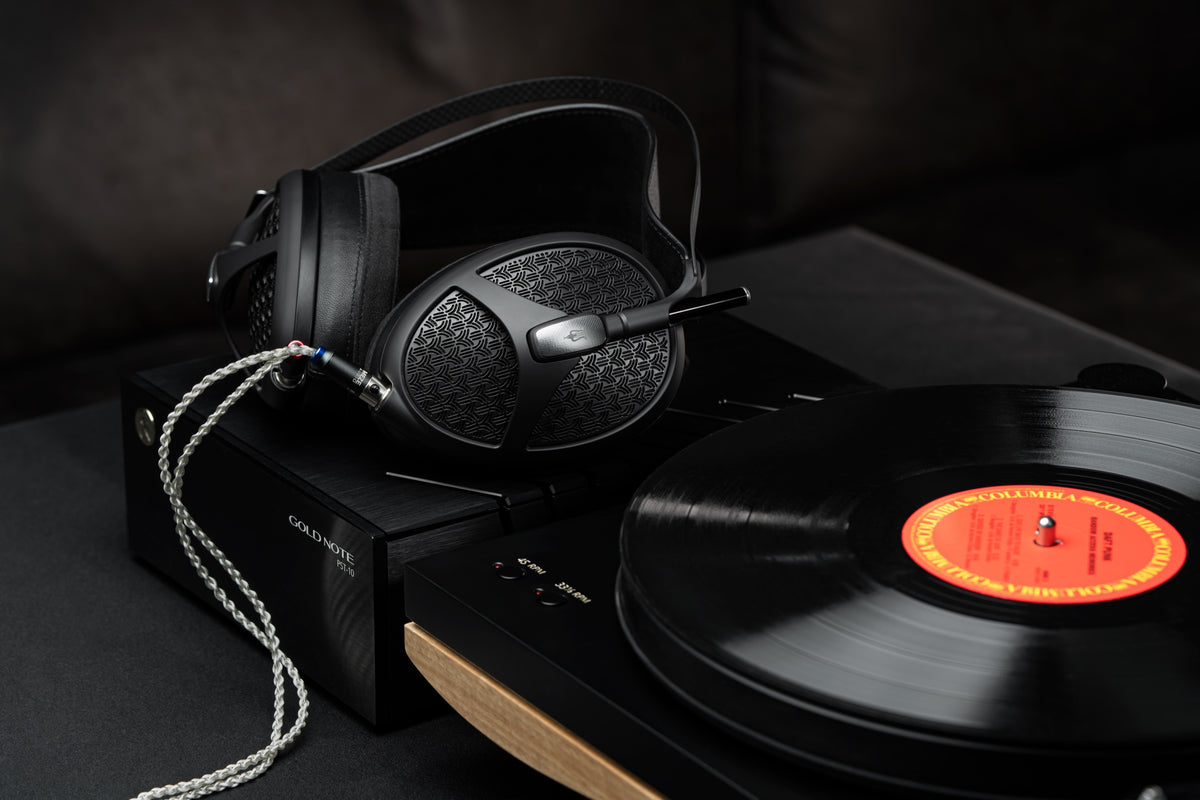
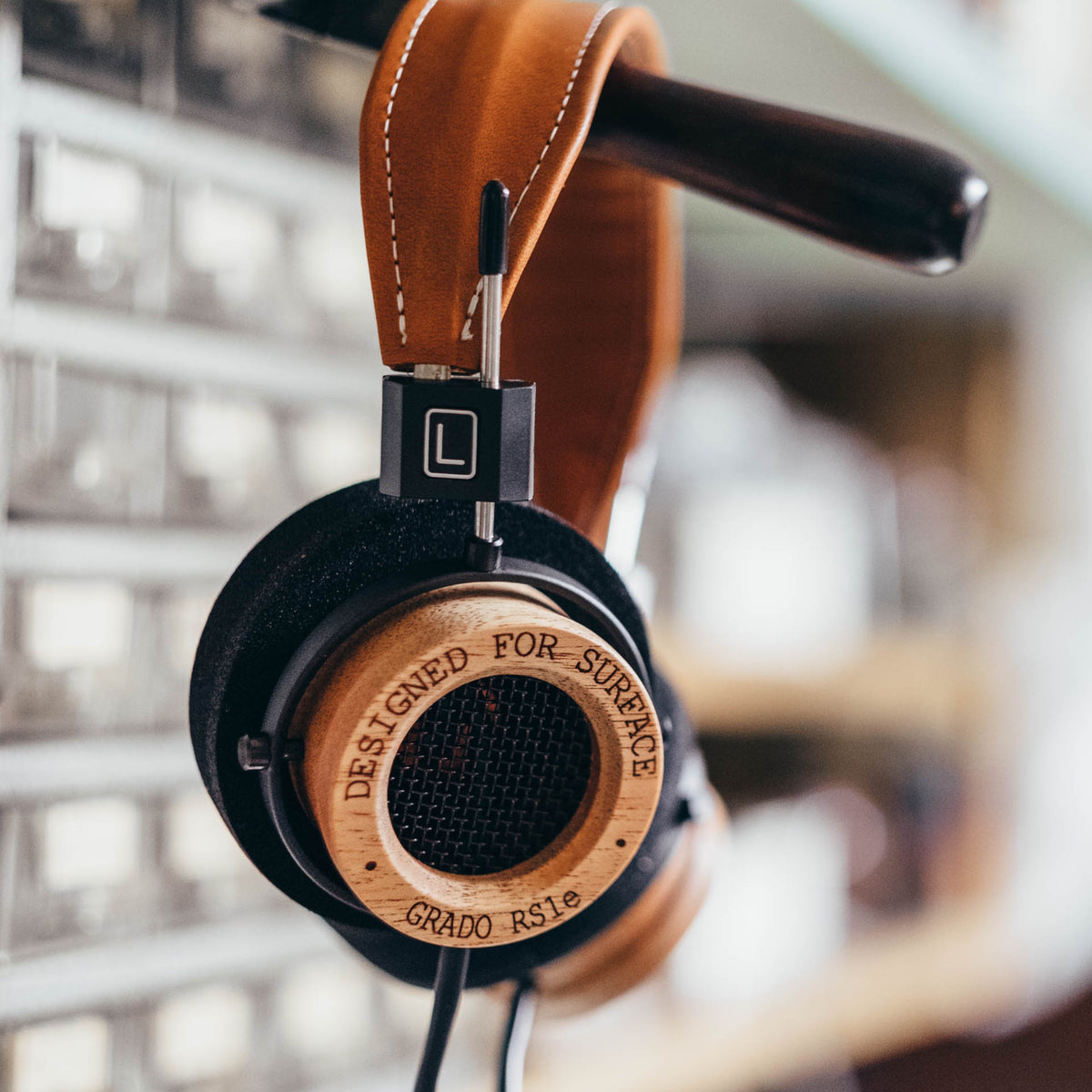
Grado's flagship, built for Joseph Grado's hundredth birthday as a modern answer to the Signature HP1.

Open back
The outside of the earcup is a grille, so air and sound pass through it in both directions. That usually buys a more spacious, less boxed in presentation, and it costs you privacy.
All headphonesCartridges
The assembly at the end of the tonearm holding the stylus. It changes the sound of a turntable more than any other part, and it is also the part that wears.
All cartridgesPads and cables
A flattened pad breaks the seal, and a broken seal takes the bass with it. A tired pad is not a cosmetic problem.
All accessories
Which one
The headphone line was reset in April 2026. The Prestige, Reference and Statement headphones became one Classic Series and the letter suffixes went with it. There is no SR60x any more, only the SR60. The SR125, SR225, RS2 and the whole PS series left the catalogue, which is why you cannot find an SR225.
Classic Series, all open backed with a fixed cable. The SR60 is still the fastest way to find out whether Grado is for you. Then the SR80. The SR325 moves to a machined aluminium housing, and its drivers are matched to 0.05 dB where the two below it are matched to 0.1. Above those, RS1, GS1000 and GS3000. The cards below carry the prices.
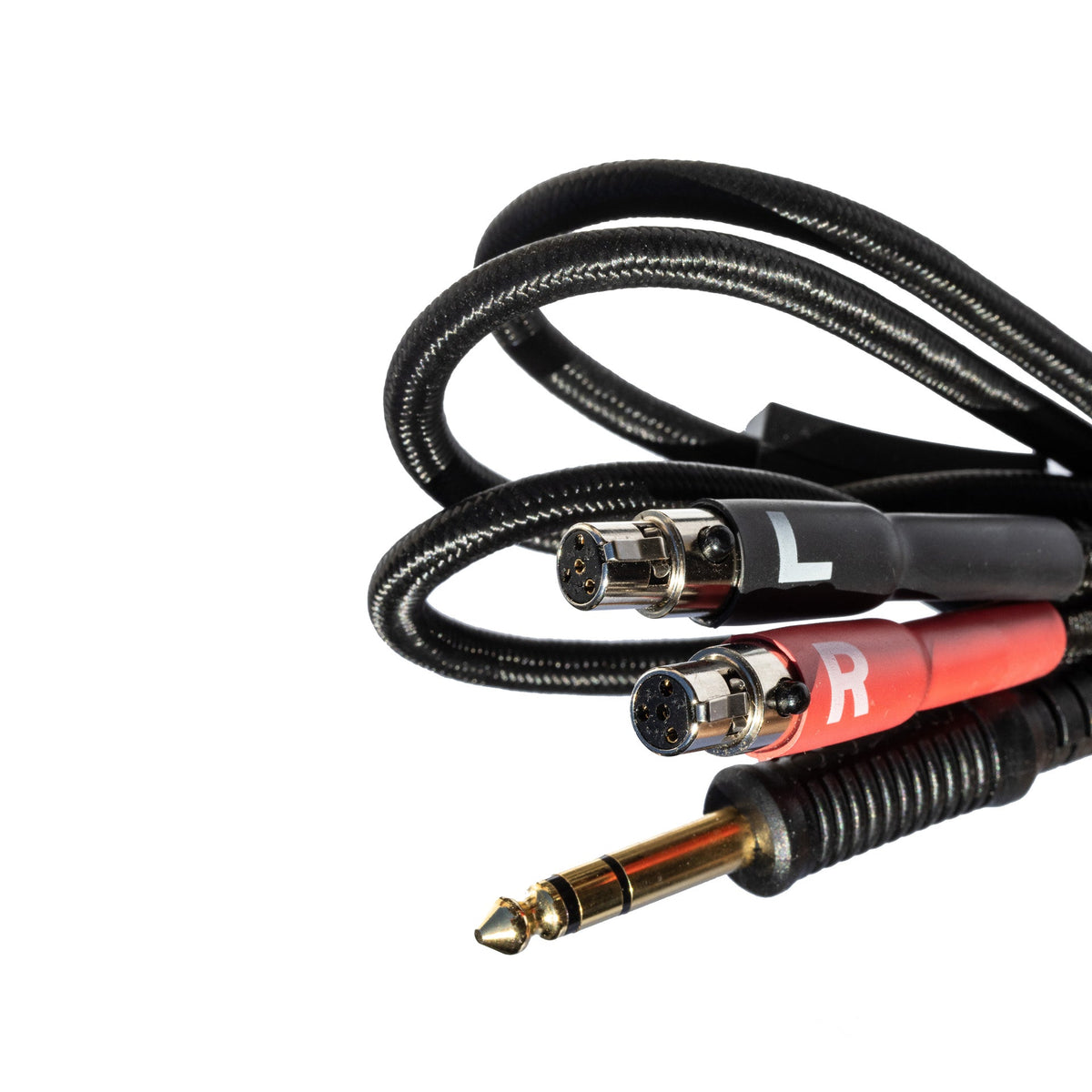
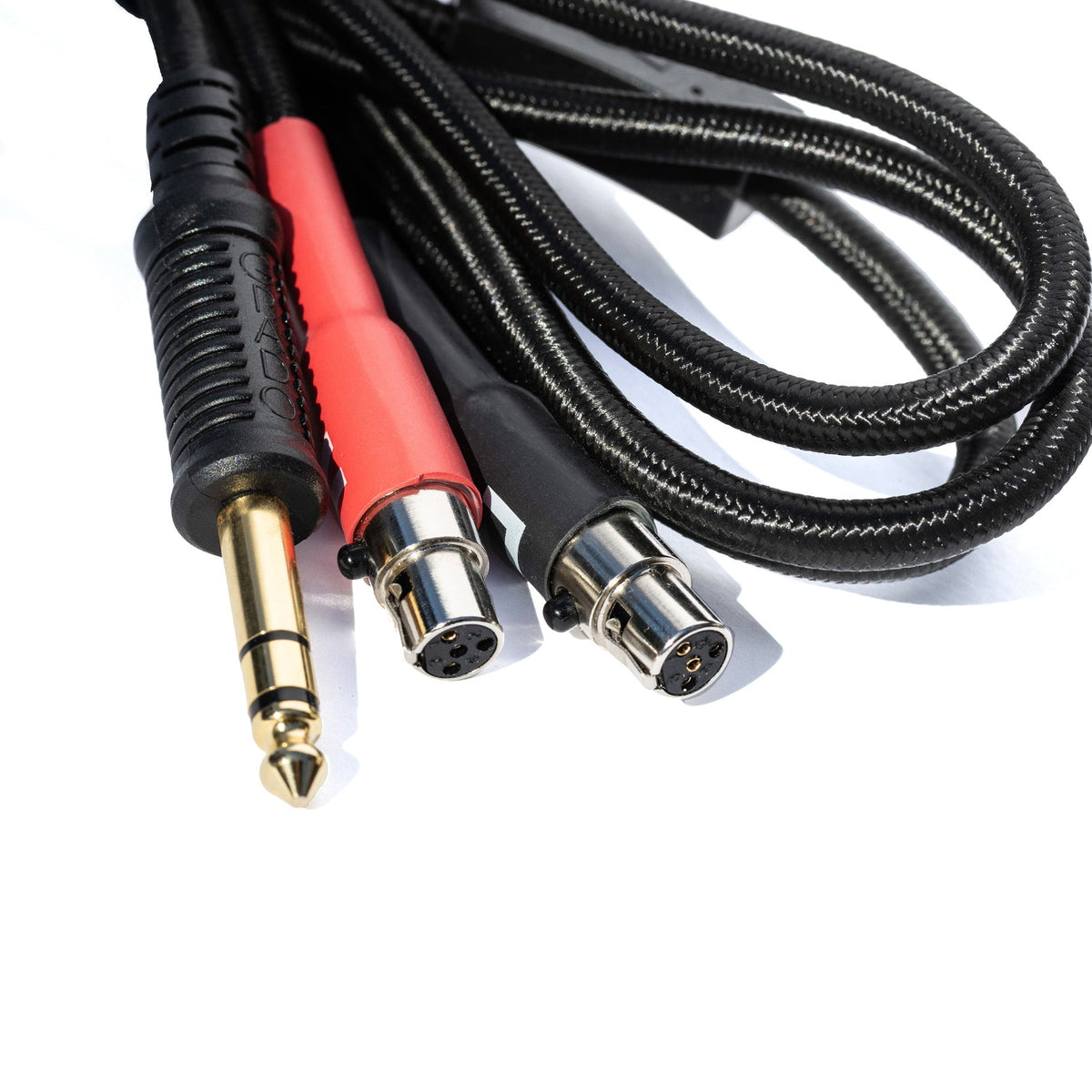
Signature Line, and the real difference is the cable. The S550, S750, S950 and HP100 SE take a detachable cable, which no Classic does, and over ten years that matters more than any tuning difference.
The GW100x is an open-back Bluetooth headphone, which almost nobody makes. Right for moving around a house without a cable, wrong for a plane. Grado builds in batches in Brooklyn and lead times move, so ask before you count on a date and we will tell you what the factory has actually said.
The cartridges kept their own series. Prestige, the Green4, Red4 and Gold4, puts out 4 mV into a standard phono input and takes a stylus you replace yourself. Timbre, the Opus4 to the Reference4, moves to wooden bodies and comes in a high or a low output version. Lineage, the Statement4, Aeon4 and Epoch4, is low output only, in Brazilian ebony.
Which one
The headphone line was reset in April 2026. The Prestige, Reference and Statement headphones became one Classic Series and the letter suffixes went with it. There is no SR60x any more, only the SR60. The SR125, SR225, RS2 and the whole PS series left the catalogue, which is why you cannot find an SR225.
Classic Series, all open backed with a fixed cable. The SR60 is still the fastest way to find out whether Grado is for you. Then the SR80. The SR325 moves to a machined aluminium housing, and its drivers are matched to 0.05 dB where the two below it are matched to 0.1. Above those, RS1, GS1000 and GS3000. The cards below carry the prices.
Signature Line, and the real difference is the cable. The S550, S750, S950 and HP100 SE take a detachable cable, which no Classic does, and over ten years that matters more than any tuning difference.
The GW100x is an open-back Bluetooth headphone, which almost nobody makes. Right for moving around a house without a cable, wrong for a plane. Grado builds in batches in Brooklyn and lead times move, so ask before you count on a date and we will tell you what the factory has actually said.
The cartridges kept their own series. Prestige, the Green4, Red4 and Gold4, puts out 4 mV into a standard phono input and takes a stylus you replace yourself. Timbre, the Opus4 to the Reference4, moves to wooden bodies and comes in a high or a low output version. Lineage, the Statement4, Aeon4 and Epoch4, is low output only, in Brazilian ebony.
What is worth knowing before you spend
The SR60 and the SR80 are identical on paper.
Same driver, same 38 ohms, same 98 dB, same matching tolerance. On Grado's own specifications there is no measurable difference between them. The fifty dollars buys a different cushion, F rather than S, and a tuning change Grado describes but does not quantify.
On a Grado the cushion is not an accessory.
They cost tens of dollars rather than hundreds, and swapping them moves a Grado further than most people expect. The cushion pages carry the current prices. If one was nearly right for you, ask us before you spend three figures fixing it.
Every Classic has a fixed cable.
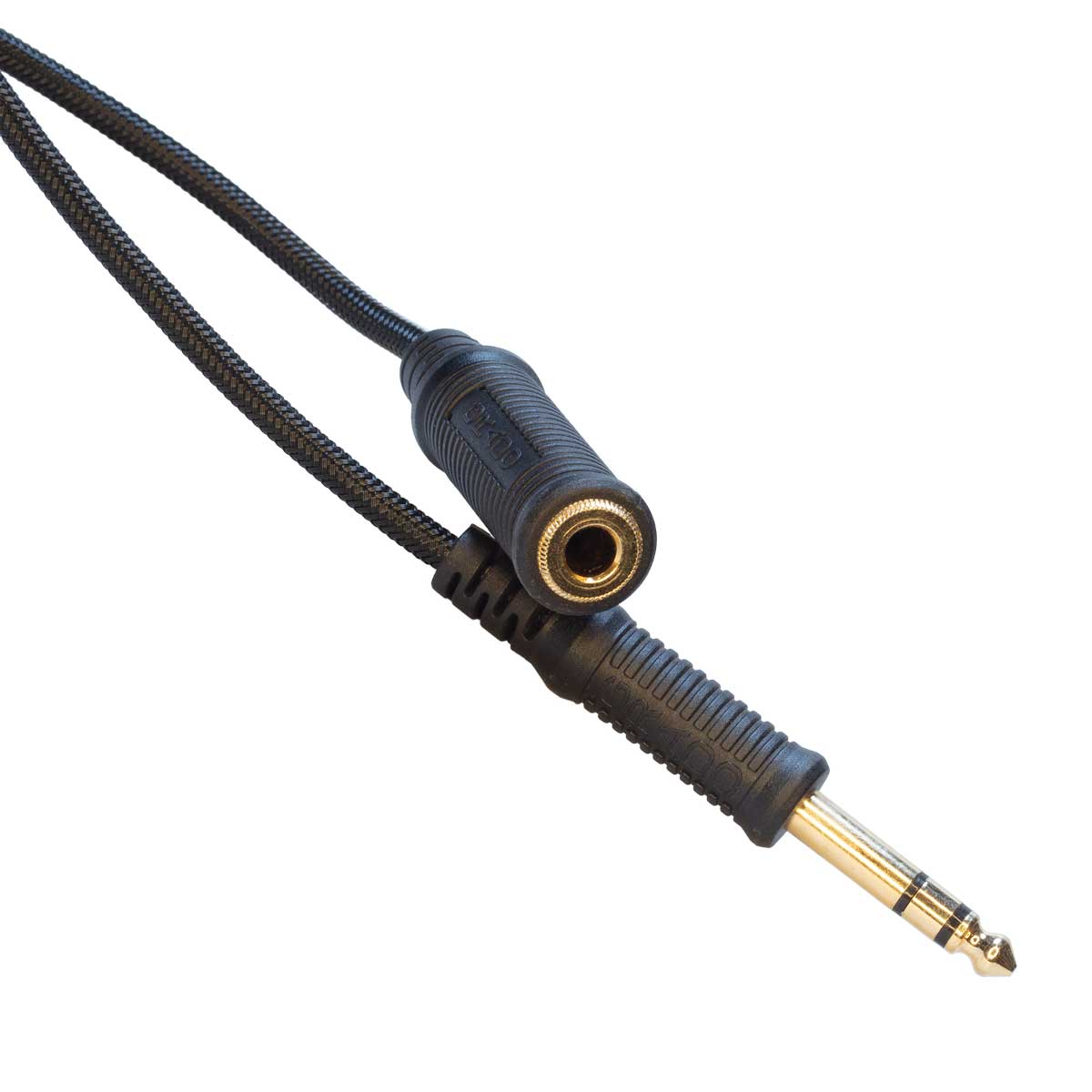
No connector, no swap, and a cable fault is a repair rather than a part.
They leak in both directions, and the foam sits on your ears rather than around them.
The first is the point of an open back and makes them wrong for an office or a plane. The second is the thing to settle in person, because some people stop noticing in ten minutes, some never do, and nobody can tell which you are from a photograph.
Older models, and the Custom Shop
If you have an SR225, an SR125, an RS2 or anything from the PS series sitting unused, tell us what it is. We'll grade it and say what is wrong with it, and we take it on consignment or in trade.
One thing Grado does not put anywhere obvious: the RS2 is still made through the Custom Shop, alongside custom wood RS1, GS1000 and GS3000. It is quoted rather than listed. Ask and we will find out what it costs.
Ask before you drive and we will tell you which of these is on the stand that week. The room costs nothing.
Worth reading
All guides
A cartridge is chosen by what it has to work with, the arm above it and the phono stage after it, and only then by how it sounds. Gain, loading, compliance, named picks with their faults, and what ...

Open is serious and closed is a compromise, says the internet. It is a question about your room, not about quality, and it decides more than the driver does.

Where you listen, how closely you listen, and what it takes to drive the thing. Answer those three and the catalogue narrows fast. Picks at every step.

Ohms, sensitivity, and the needs-an-amp argument. What the number actually tells you about a headphone, and the cases where it tells you nothing useful.
What you get either way
The listening room
Third floor at 215 East Lewis Street in Livingston, by appointment. An hour in the room settles this faster than anything either of us could write.
How we grade
Used and consigned gear is graded at the worst axis and never averaged. Every defect is named on the listing and the standard is published, so as described is something you can hold us to.