


Headphones
A headphone is two small loudspeakers held near your ears, and most of what separates one from another comes down to how it holds them there. Over the ear or in the canal. Sealed against your head or open to the room. Clamped tight or resting light. Those choices decide what you hear before any of the electronics get a say.
The thing most people get wrong on the way in is assuming the category runs from worse to better. It does not. A $300 open back and a $300 noise cancelling wireless are not competing with each other, because they are answers to different questions, and the better one is whichever suits where you actually listen. Work that out first. The price conversation gets much easier afterwards.



Open, with no amplifier
Meze 105 AER. Or the 105 SILVA, or the 109 PRO.
Forward and quick, with the guitars up front
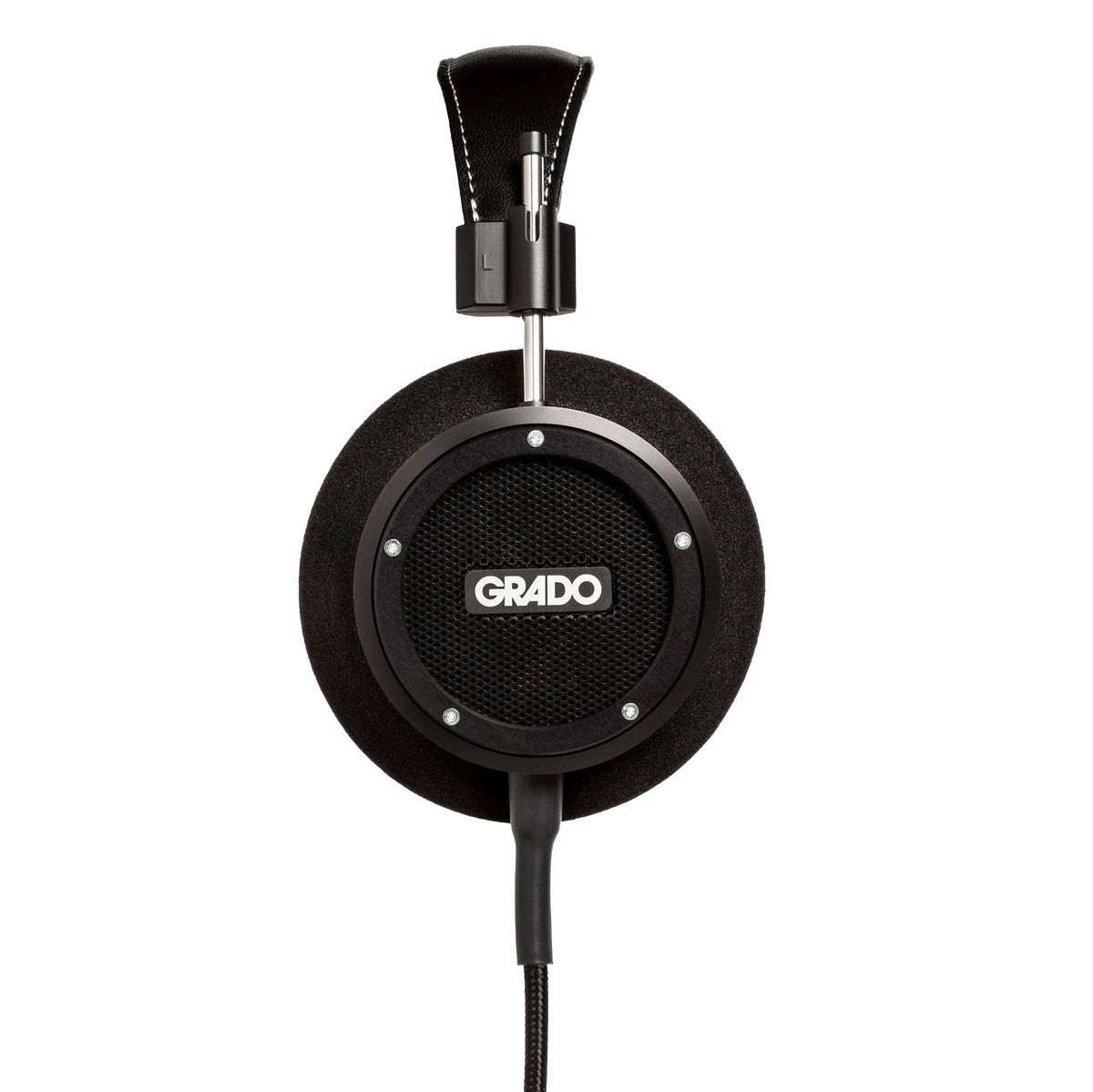
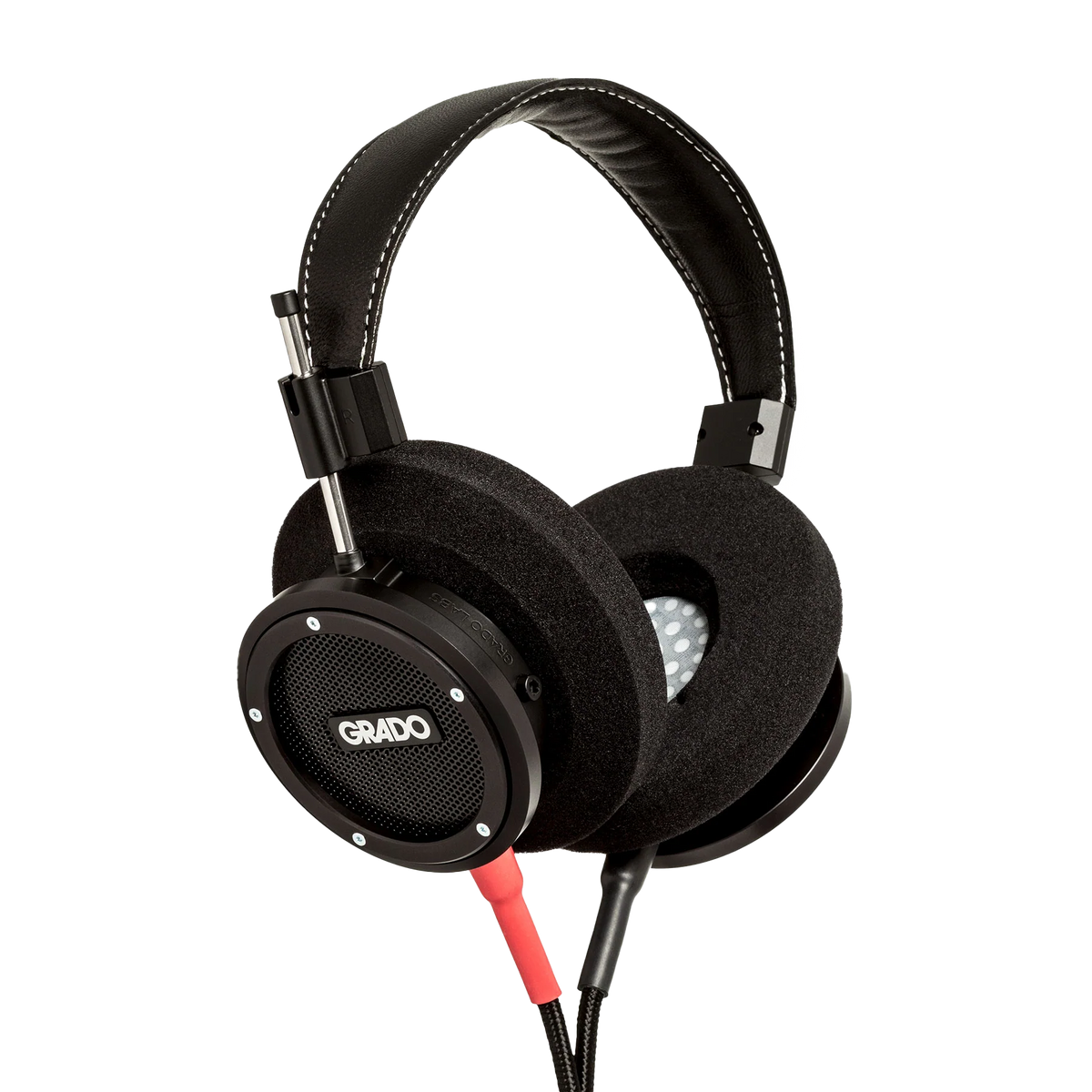
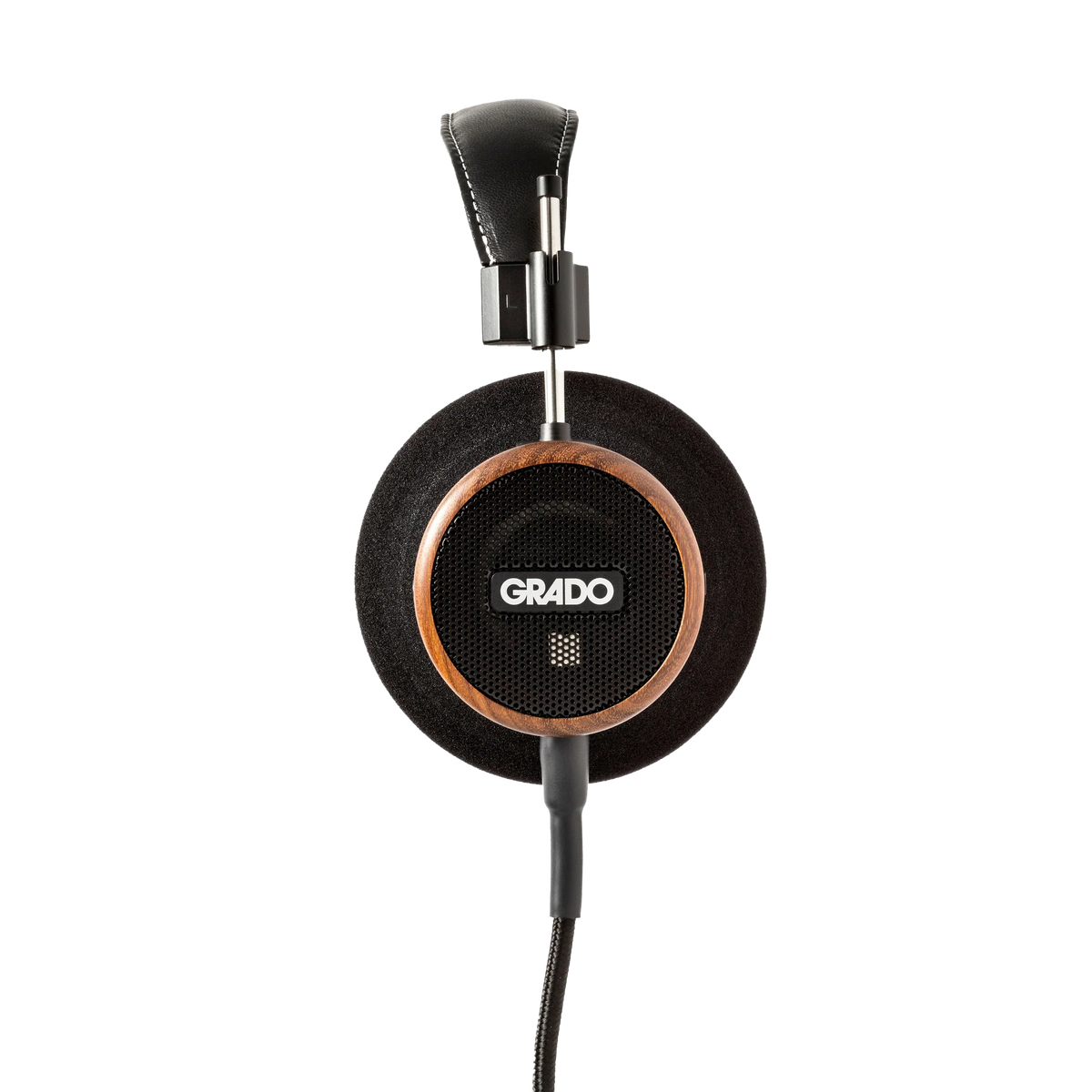
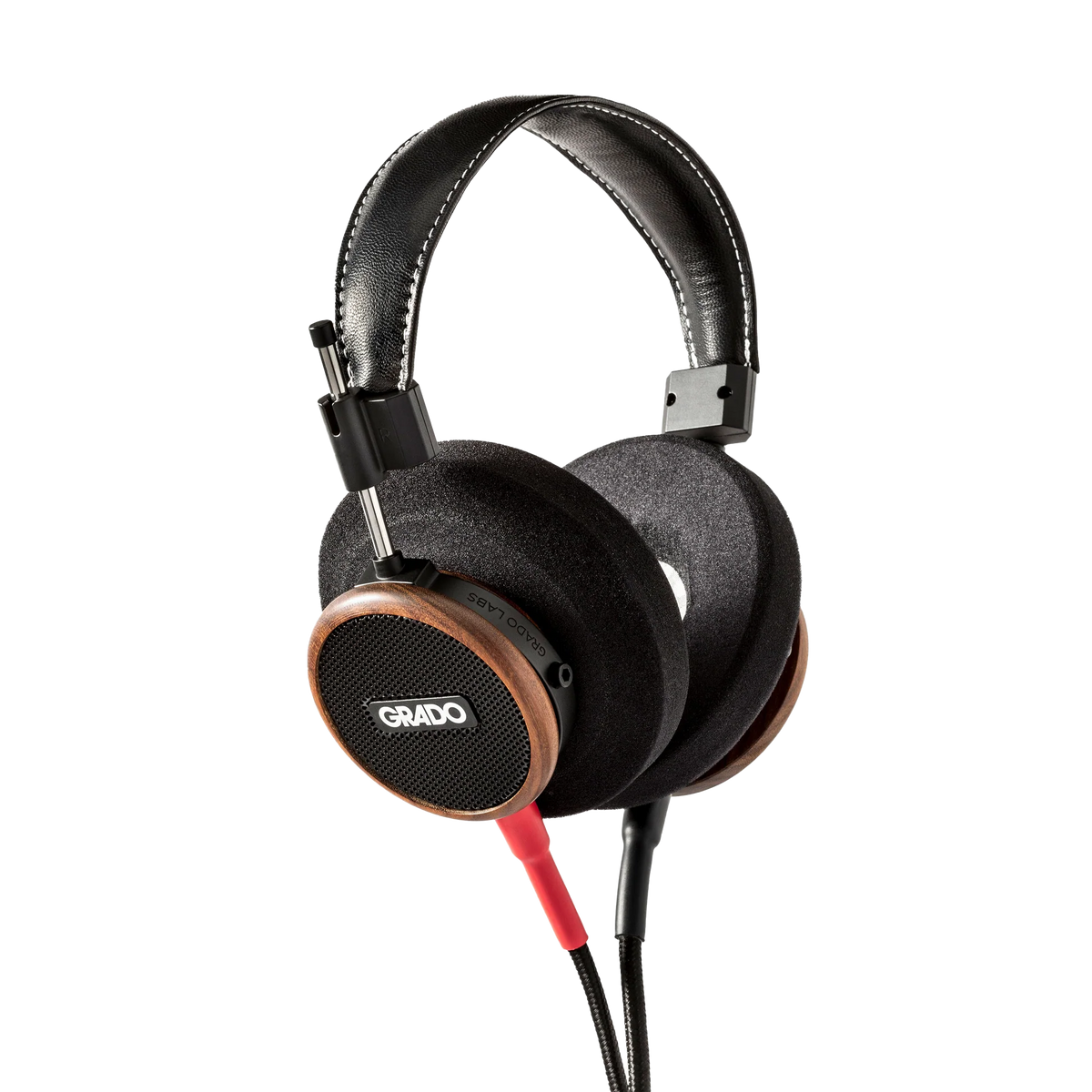
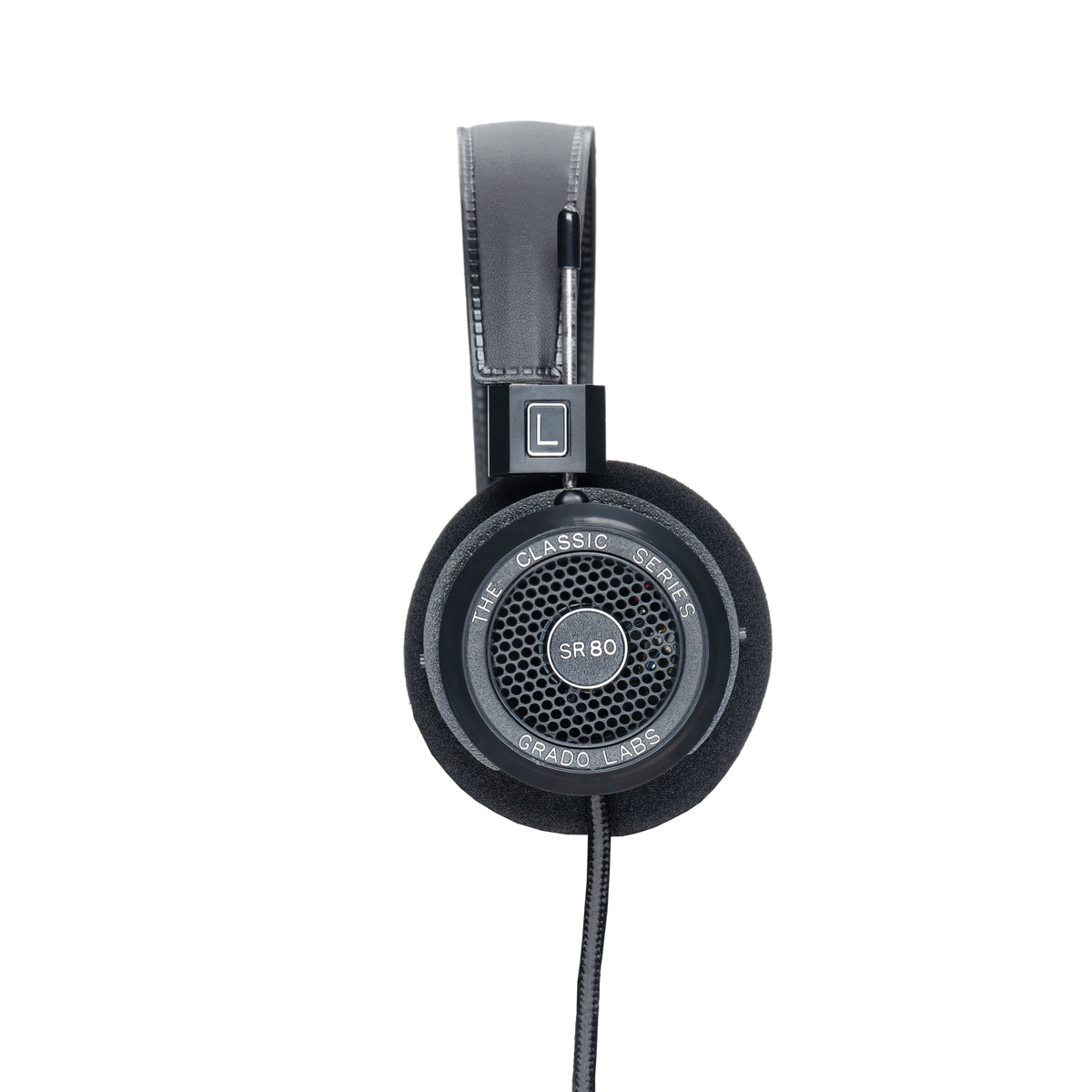
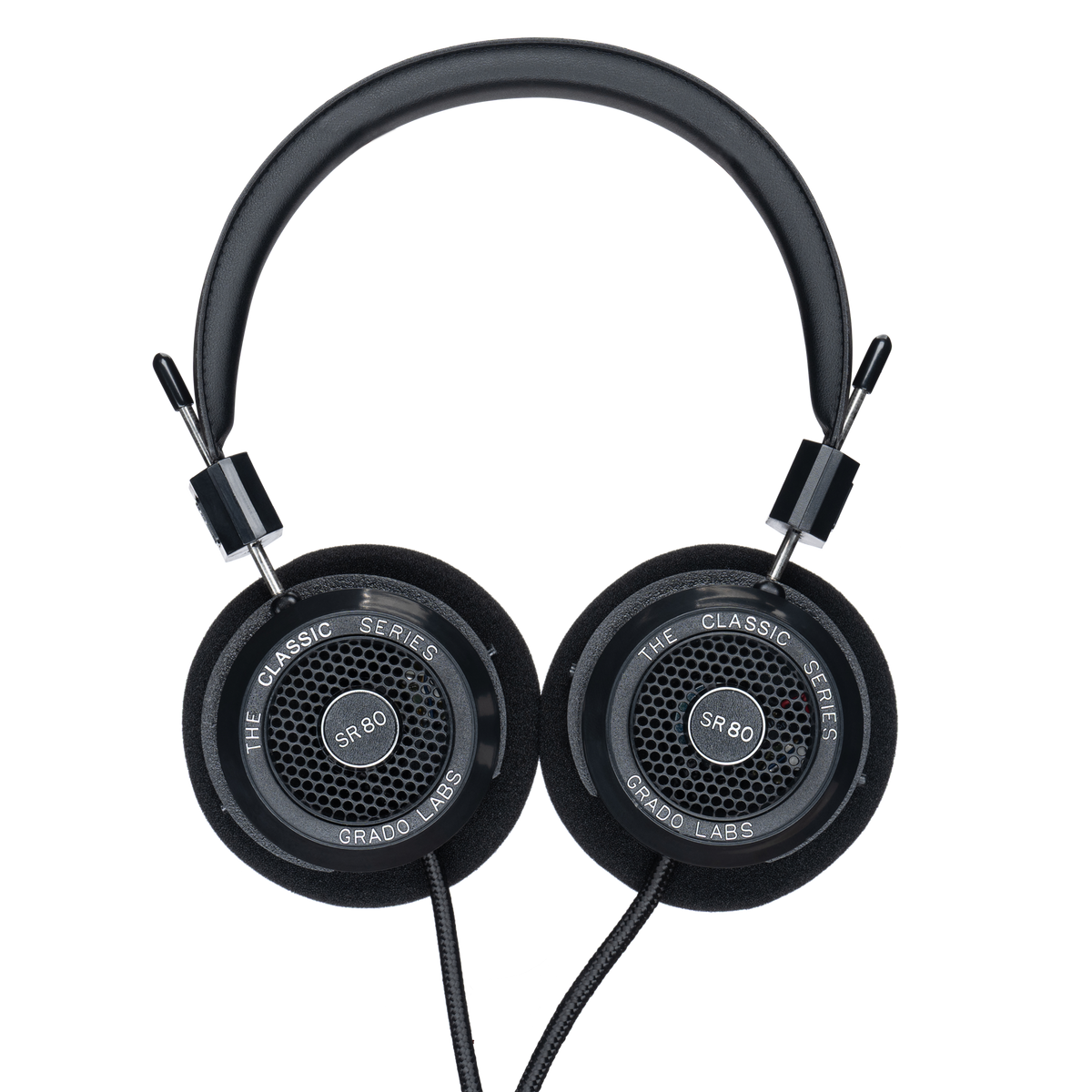
Grado SR80. Or the SR325, or the Hemp.
A shared room, or somebody asleep
Meze 99 CLASSICS 2nd Gen. On a bus or in an open office, the ALBA S or the ALBA in-ear.
Wireless, around the house
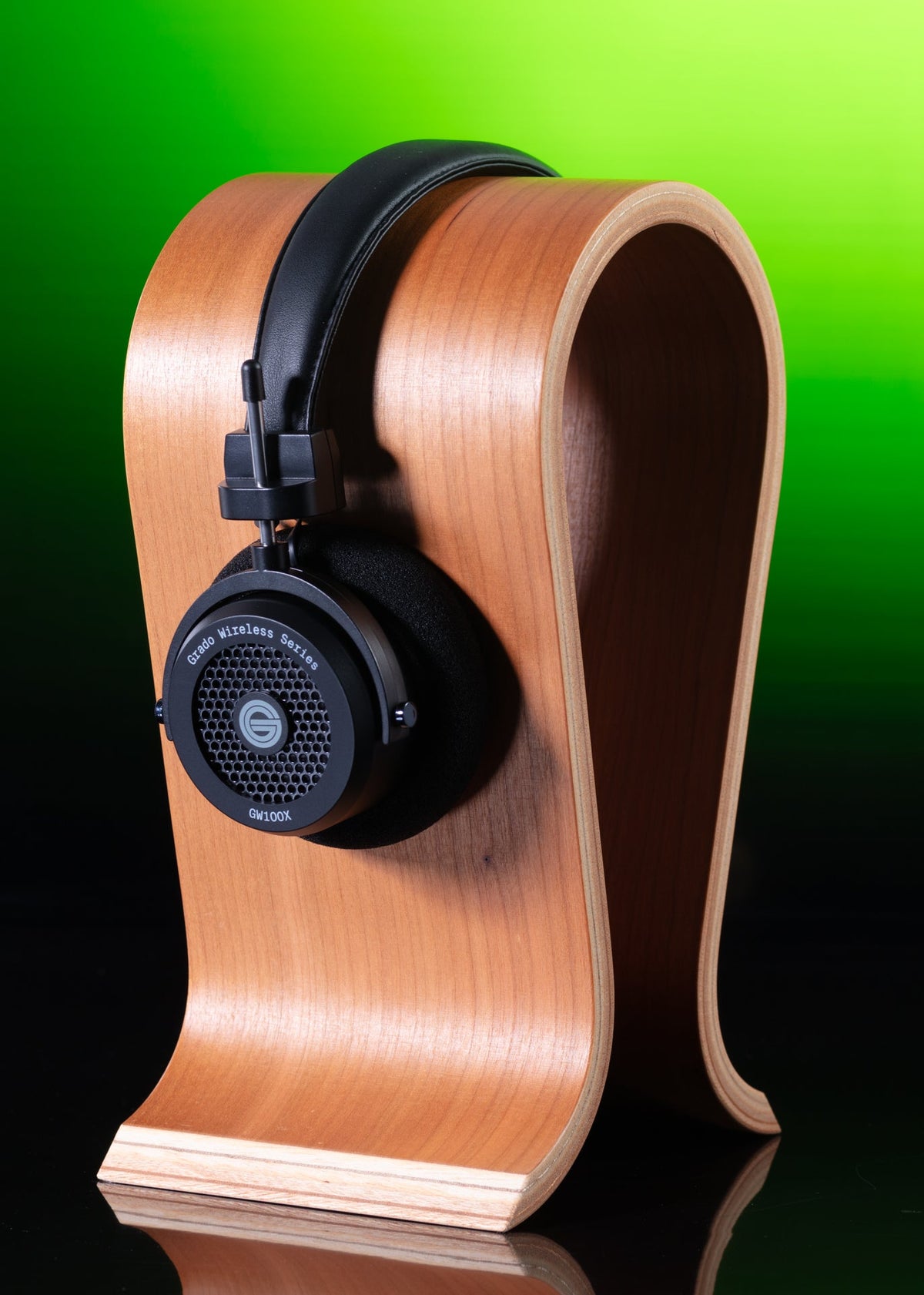
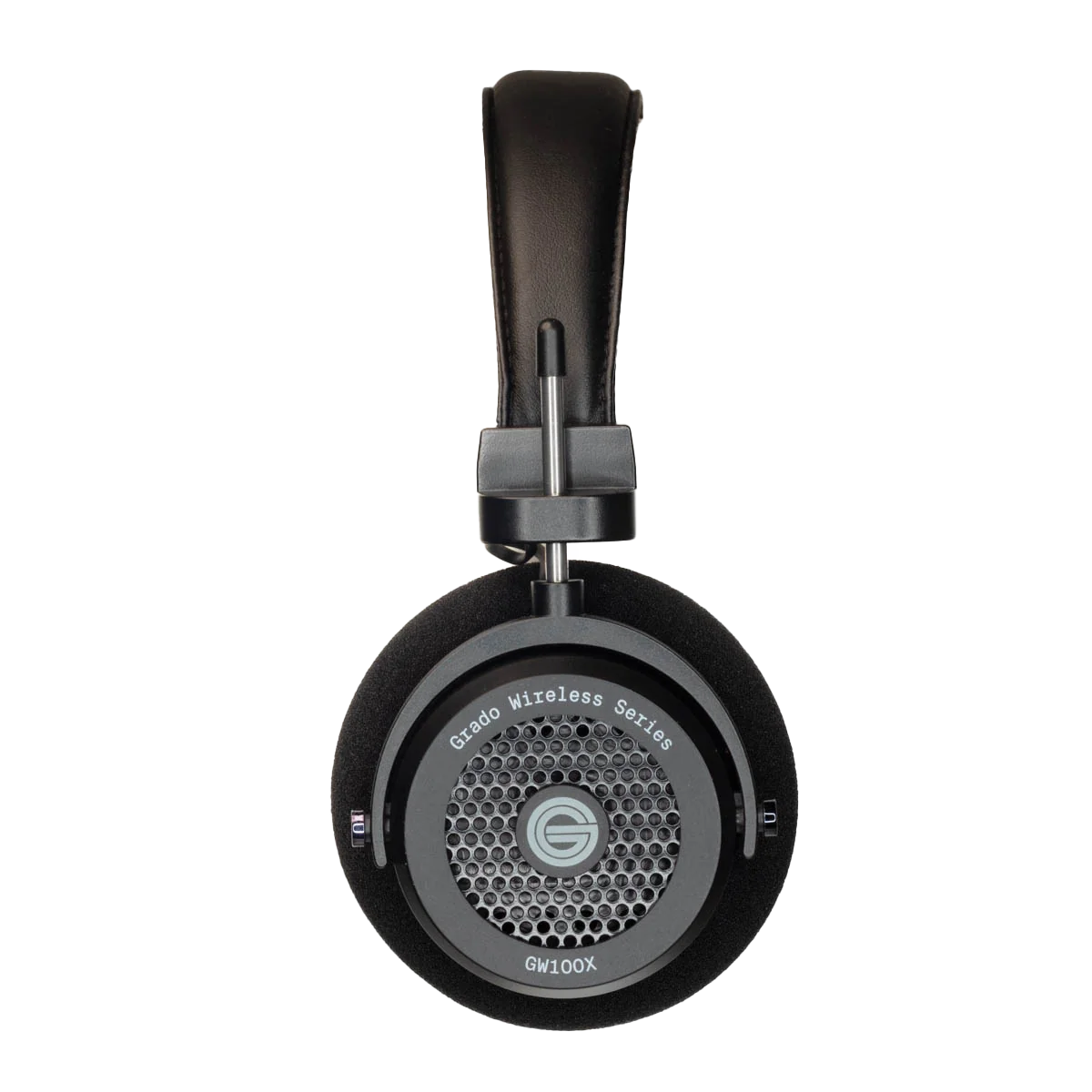
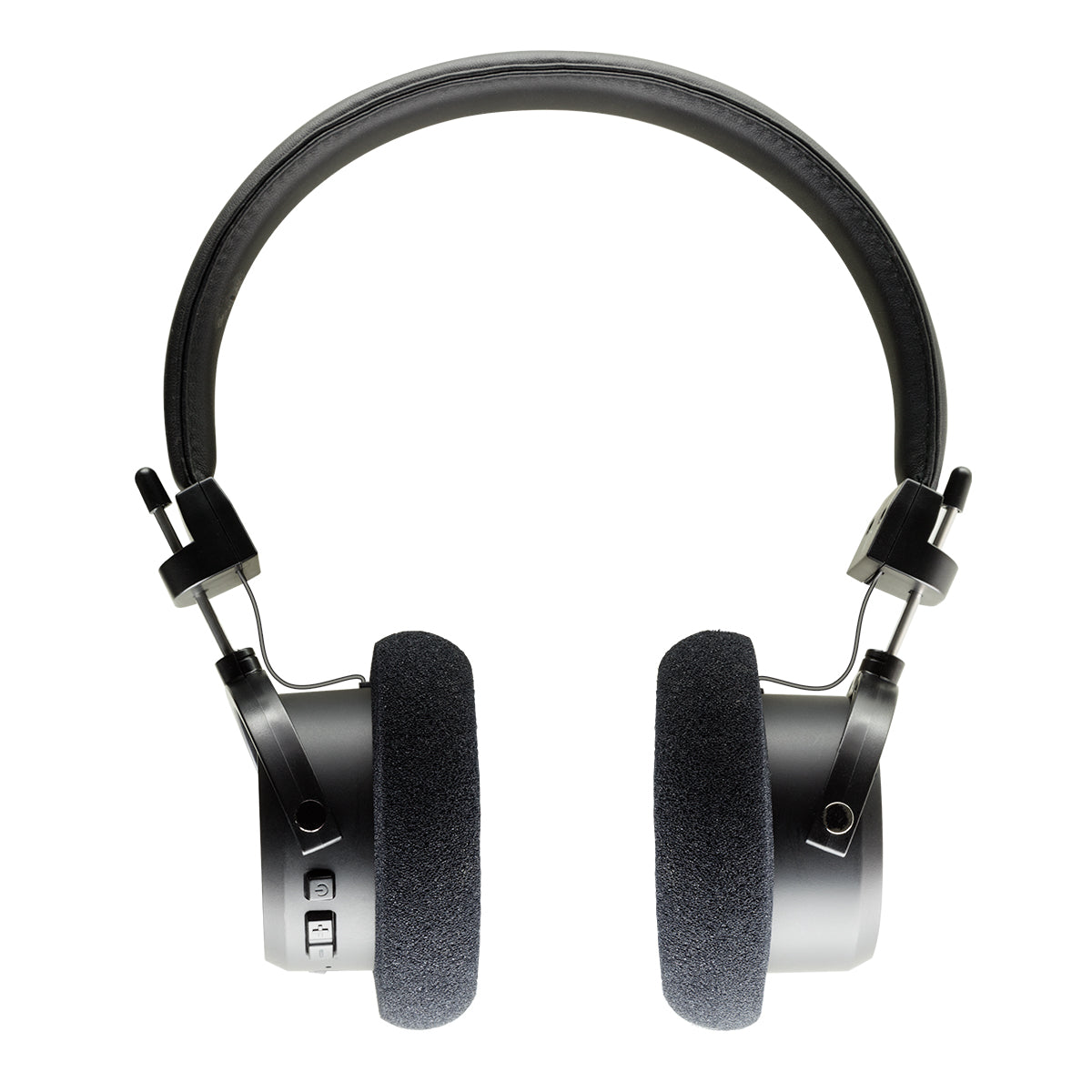
Grado GW100x, open-back and Bluetooth, which almost nobody else makes.
One box between the computer and the headphones
Grace Design m900, a DAC and a headphone amplifier in one.
How to choose headphones
Start here if you are not yet sure what you are shopping for.
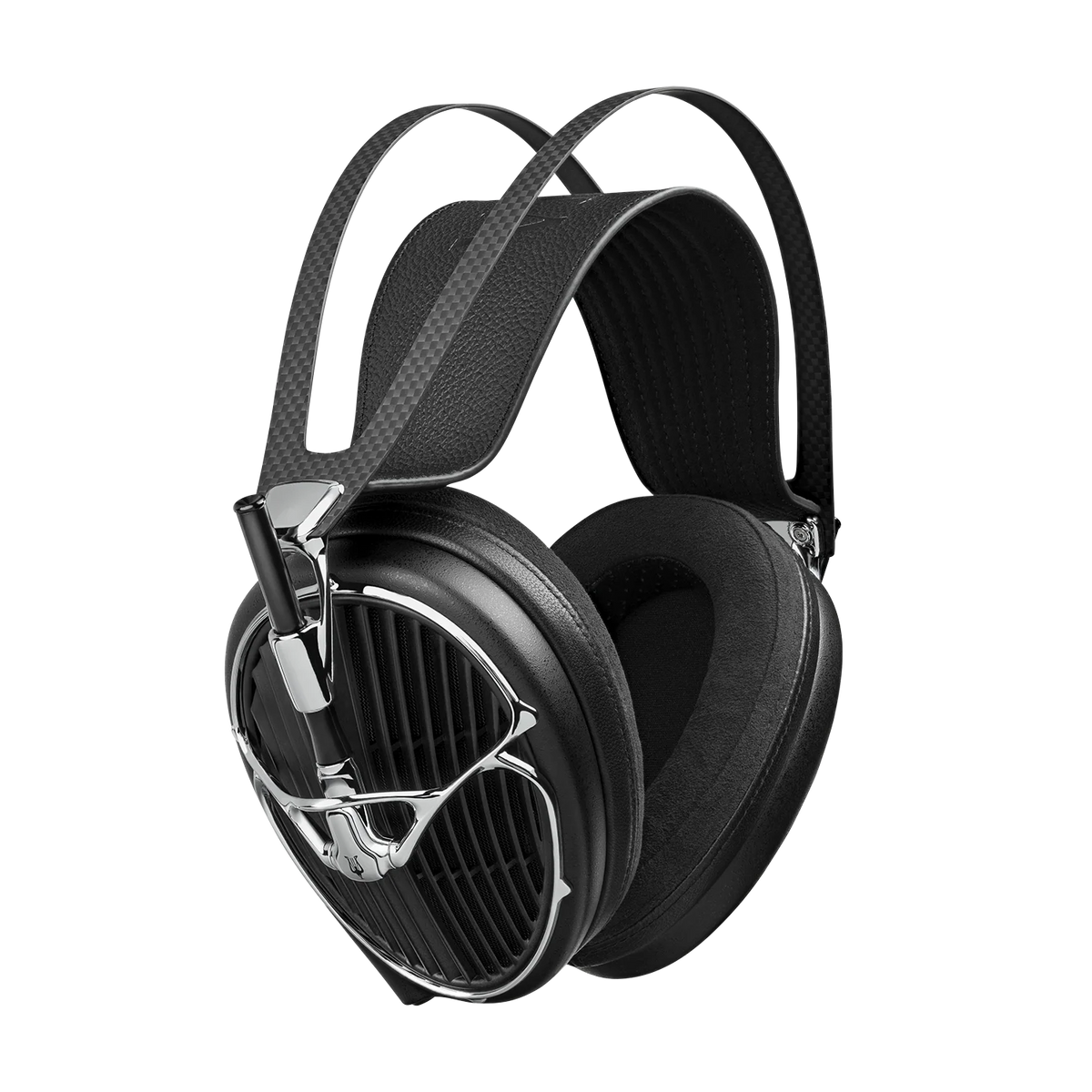
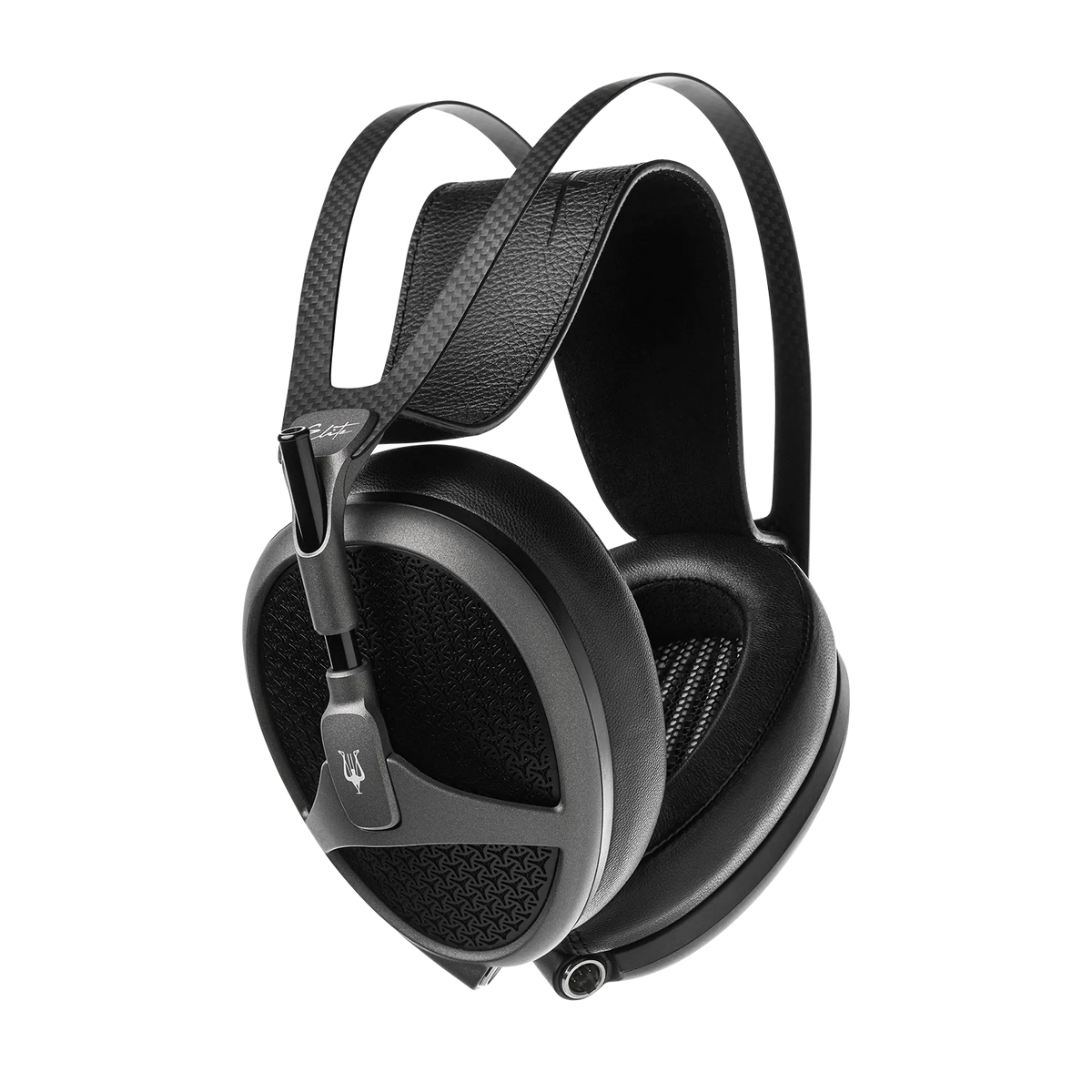
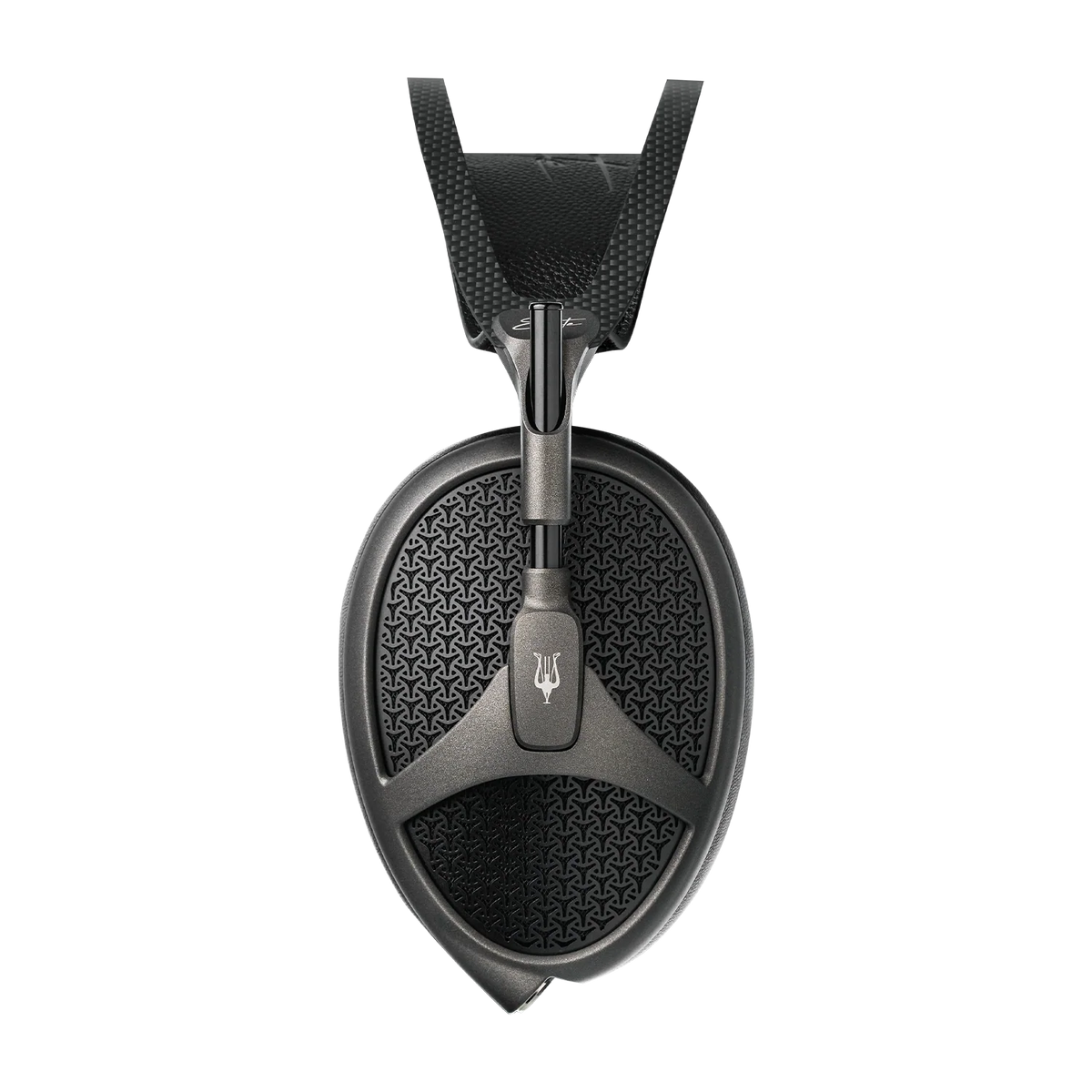
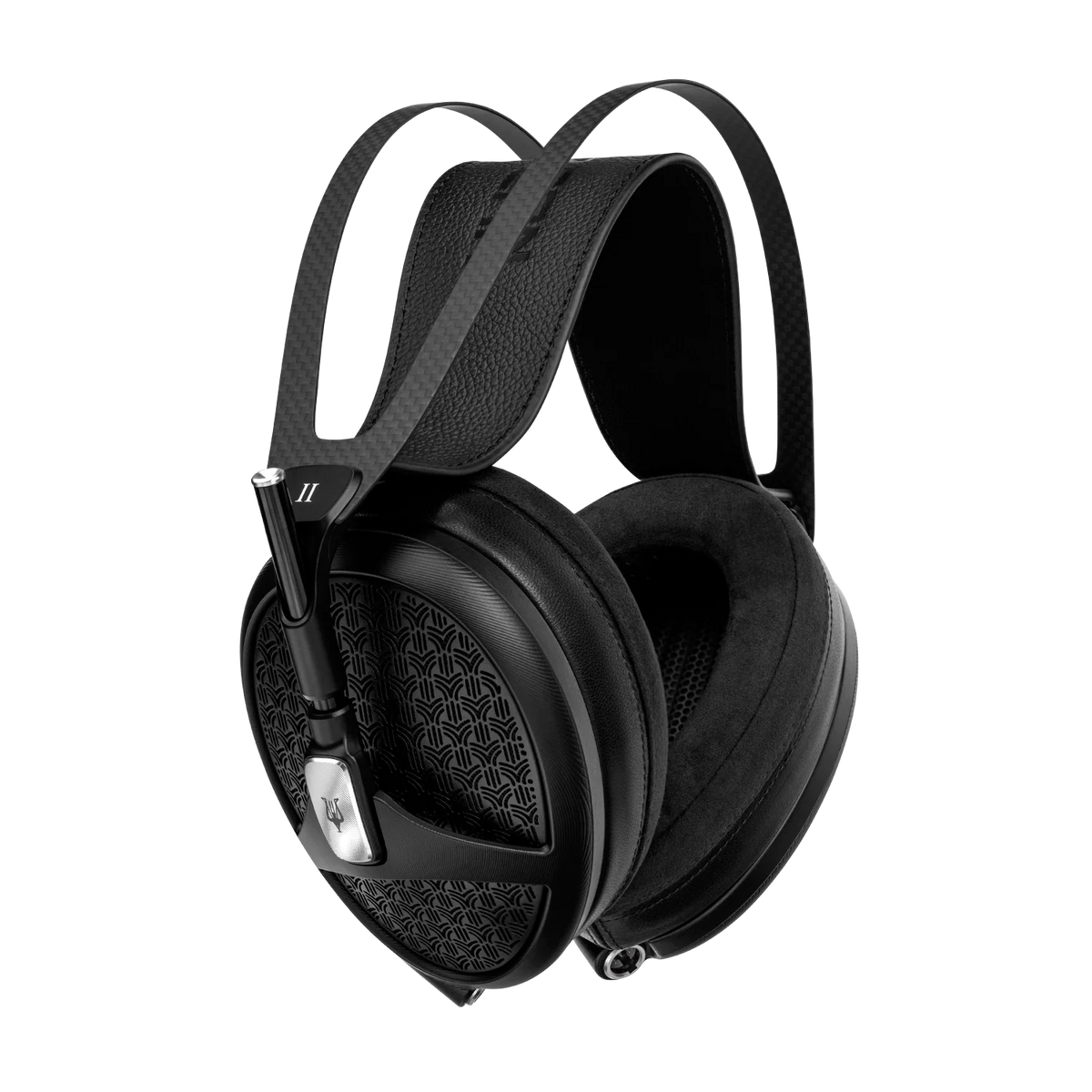
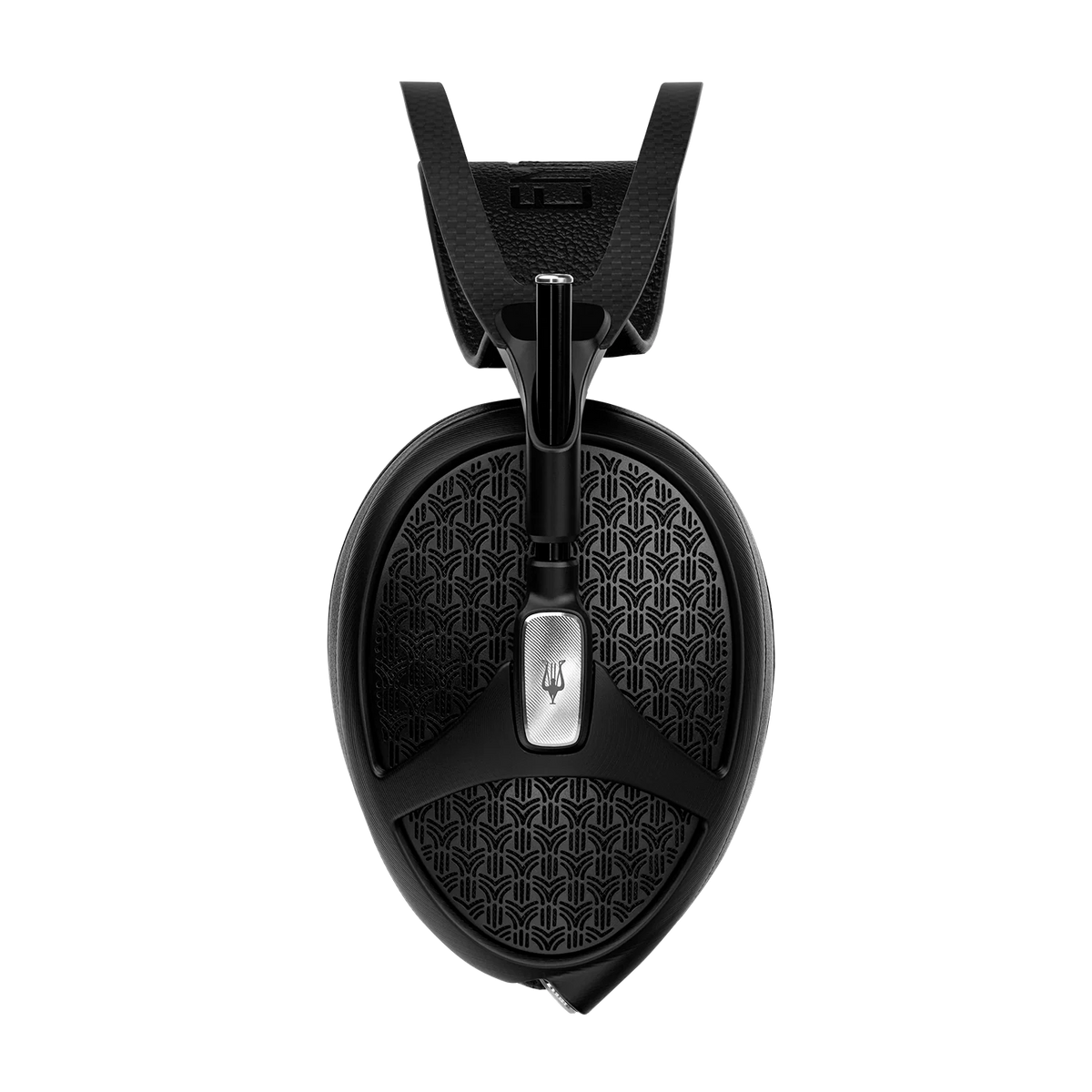
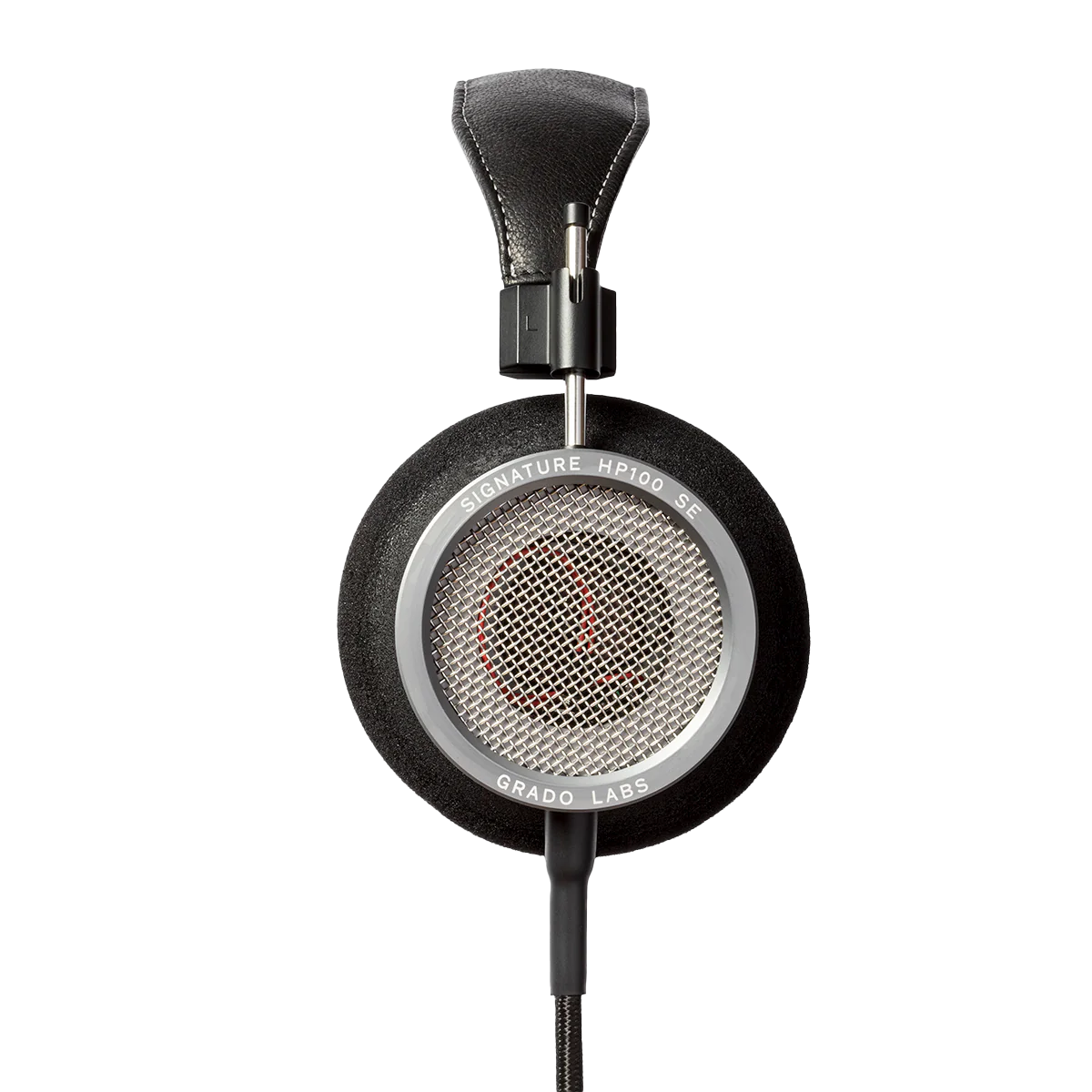
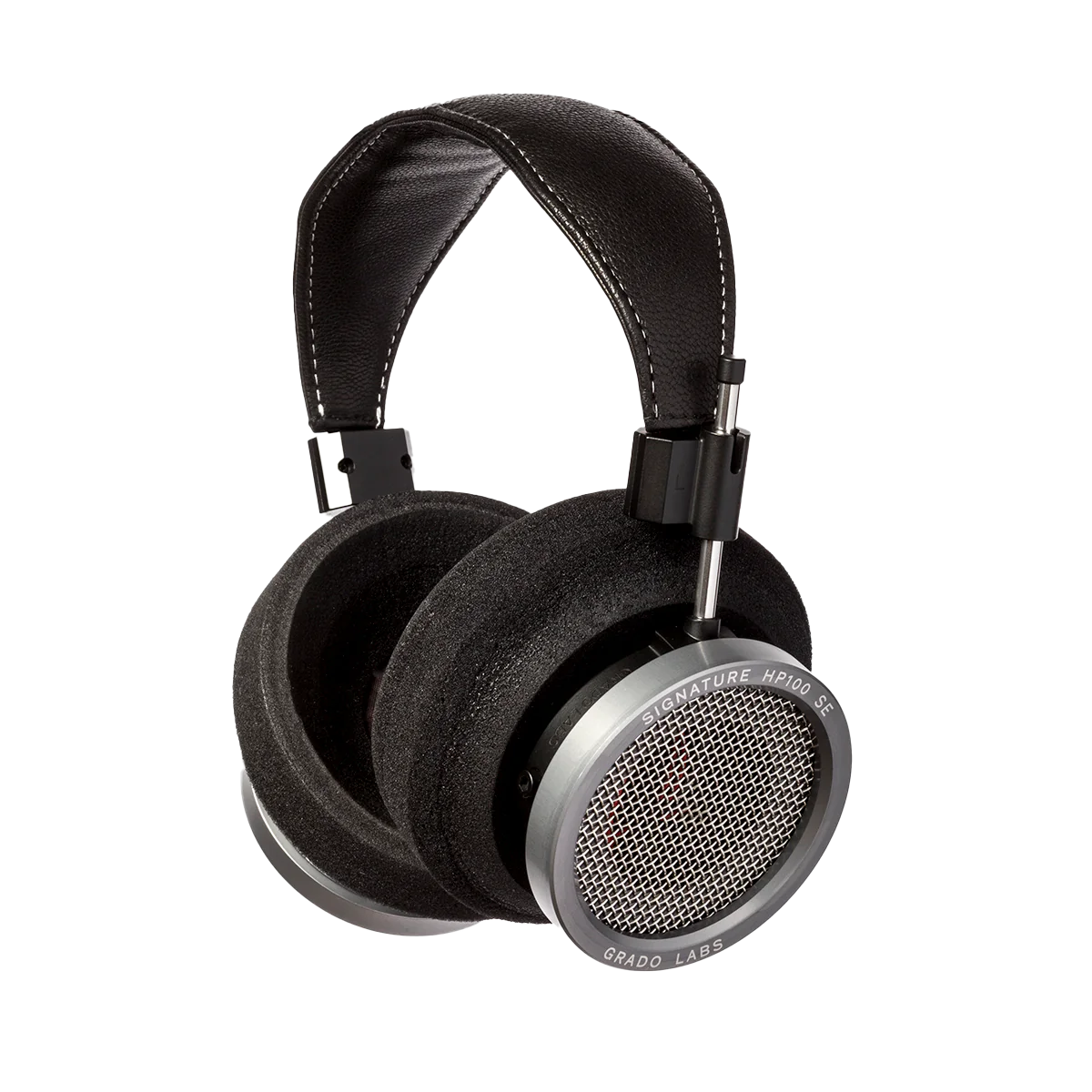
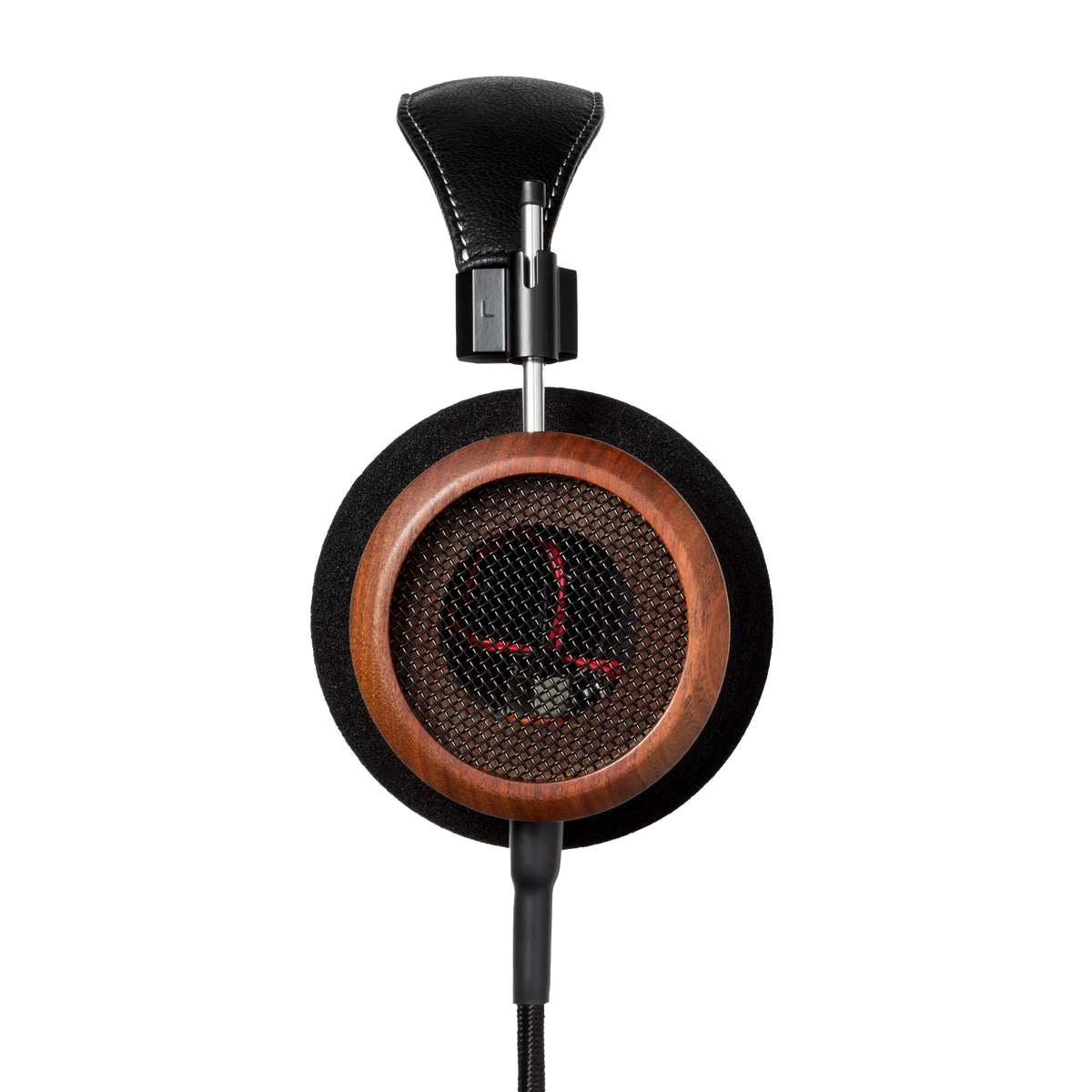
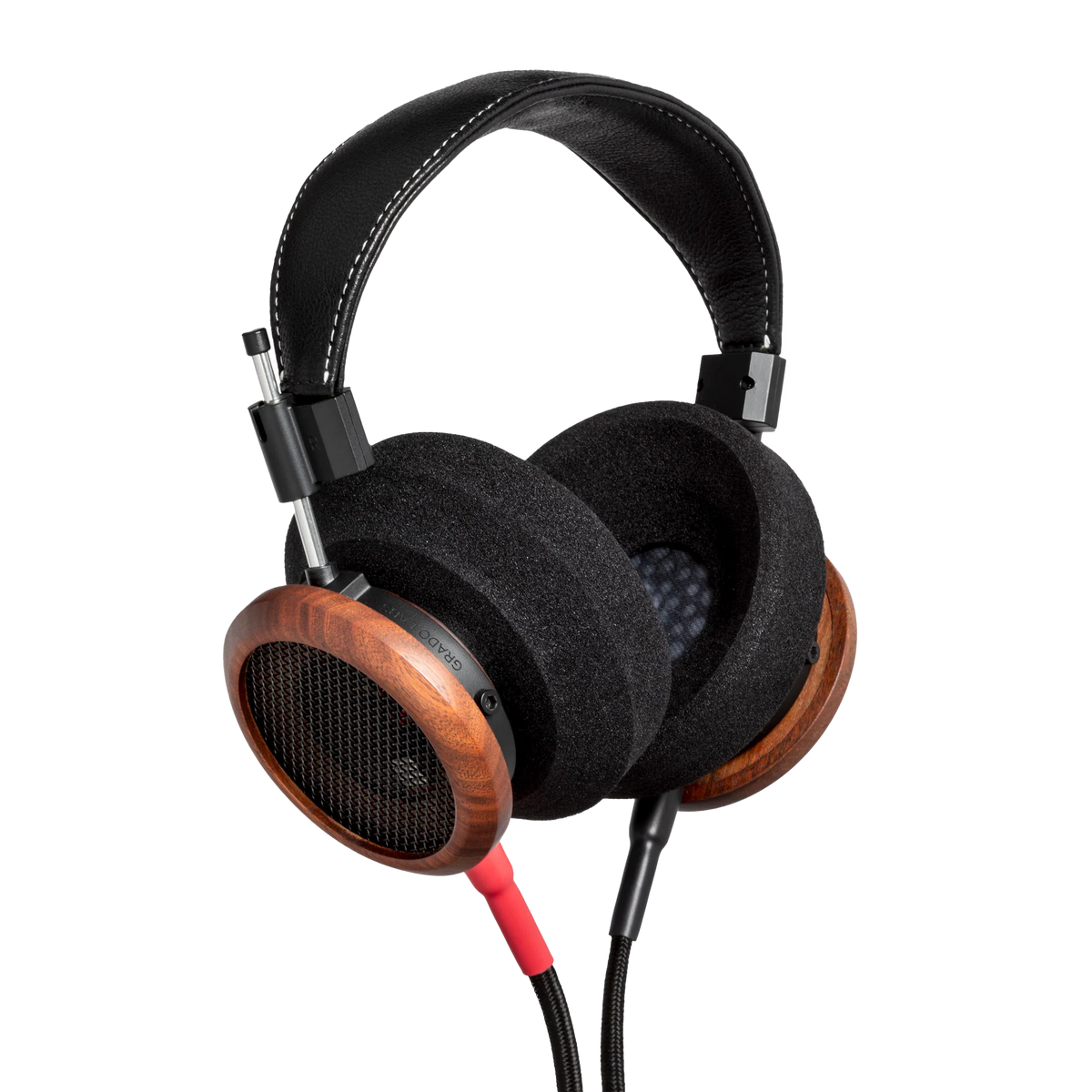
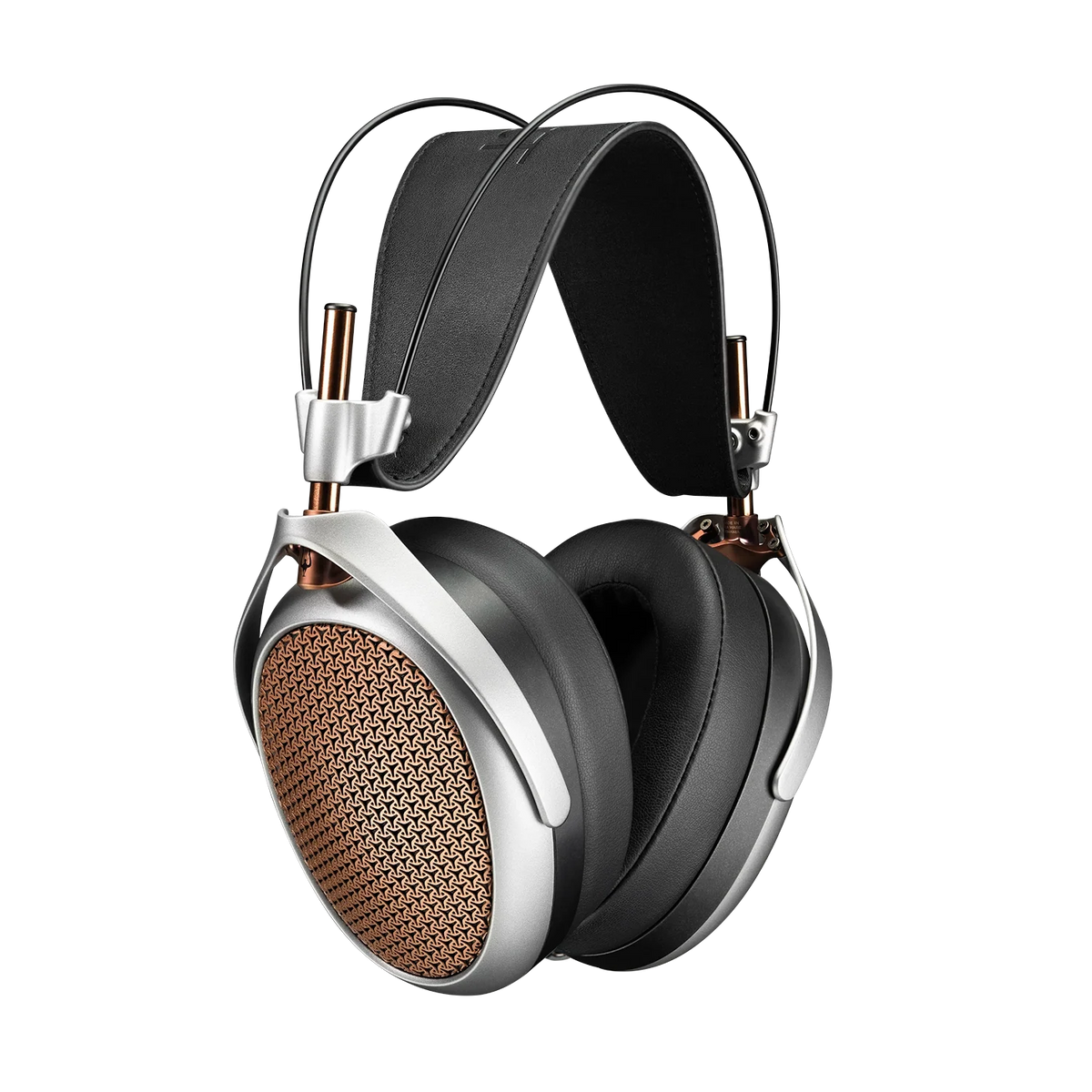
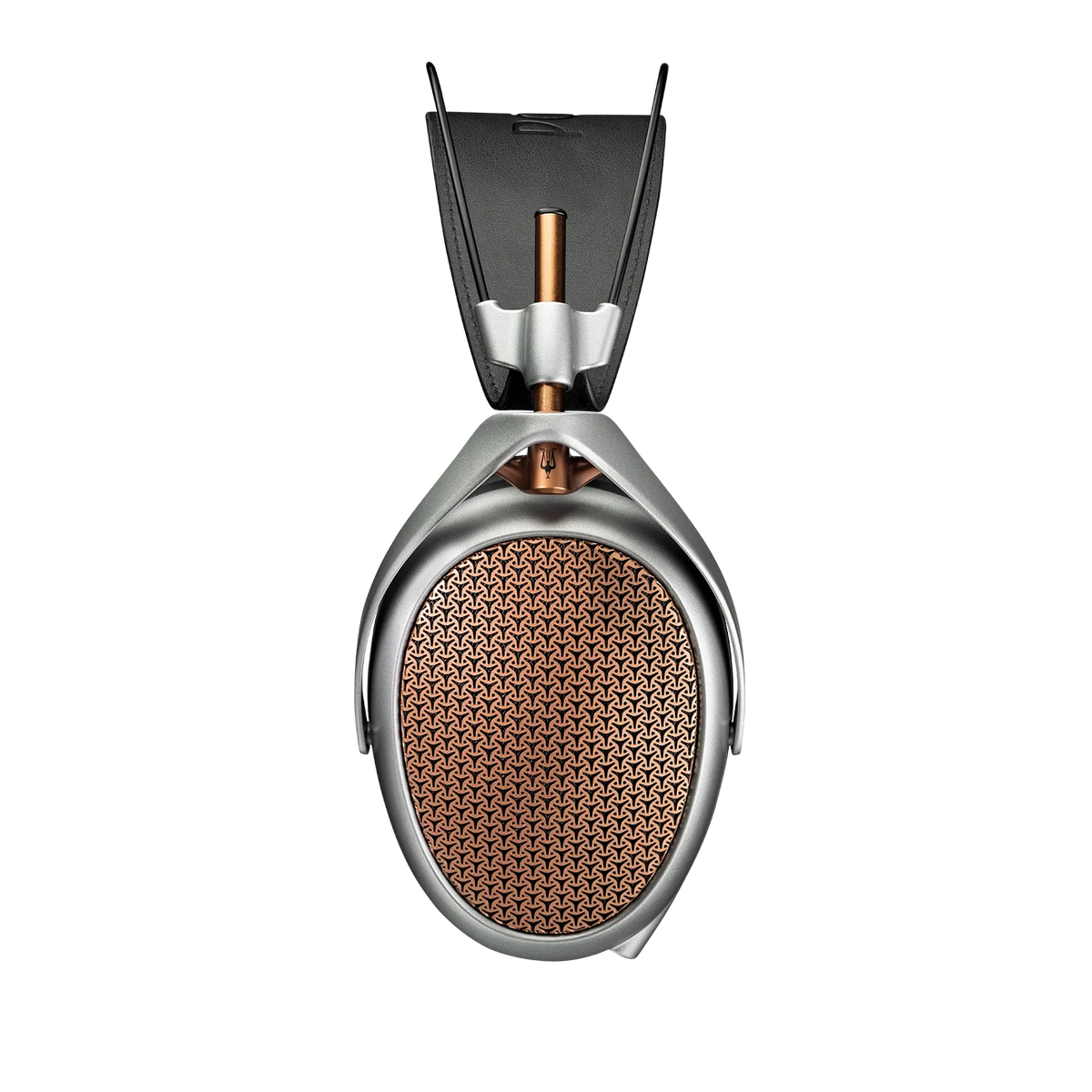




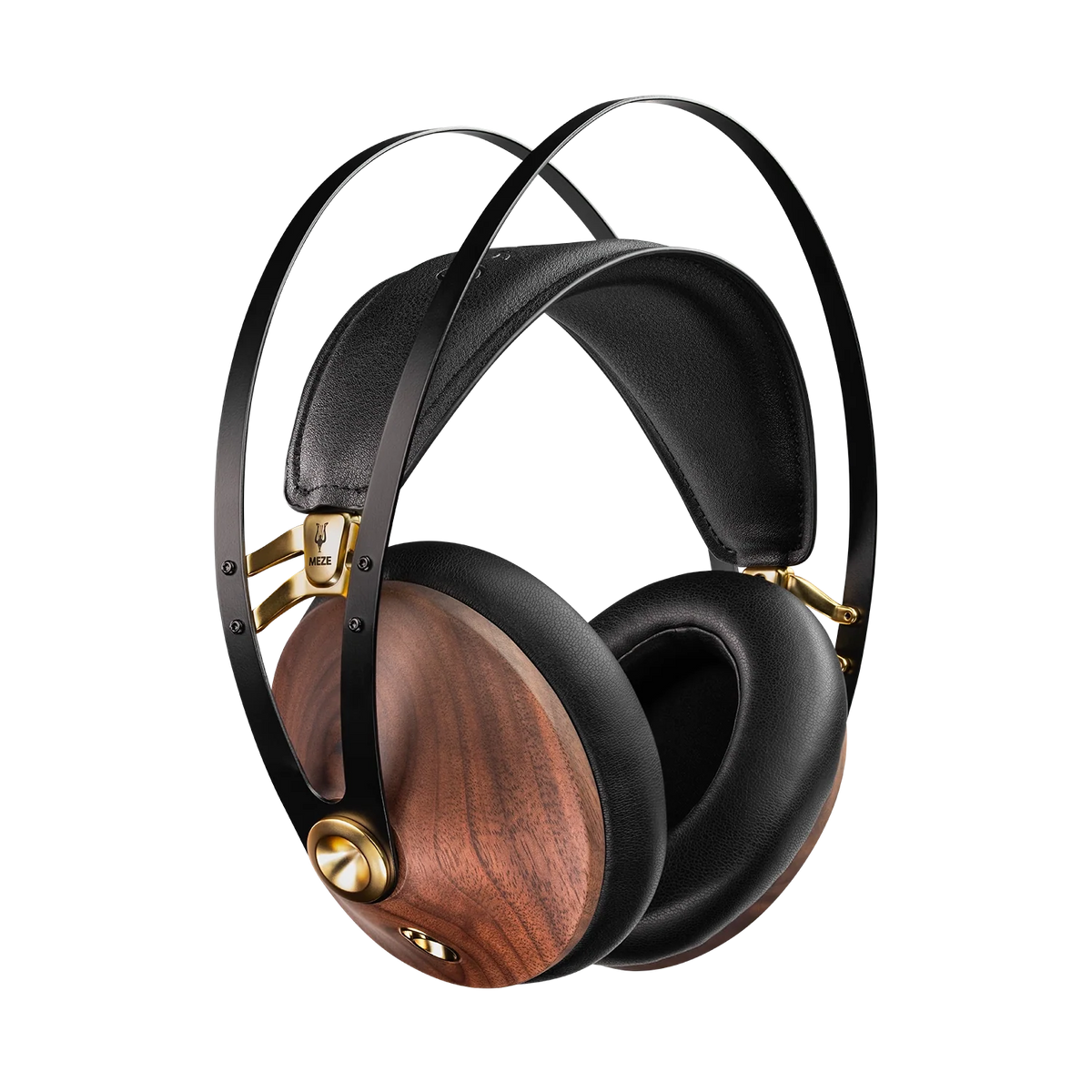
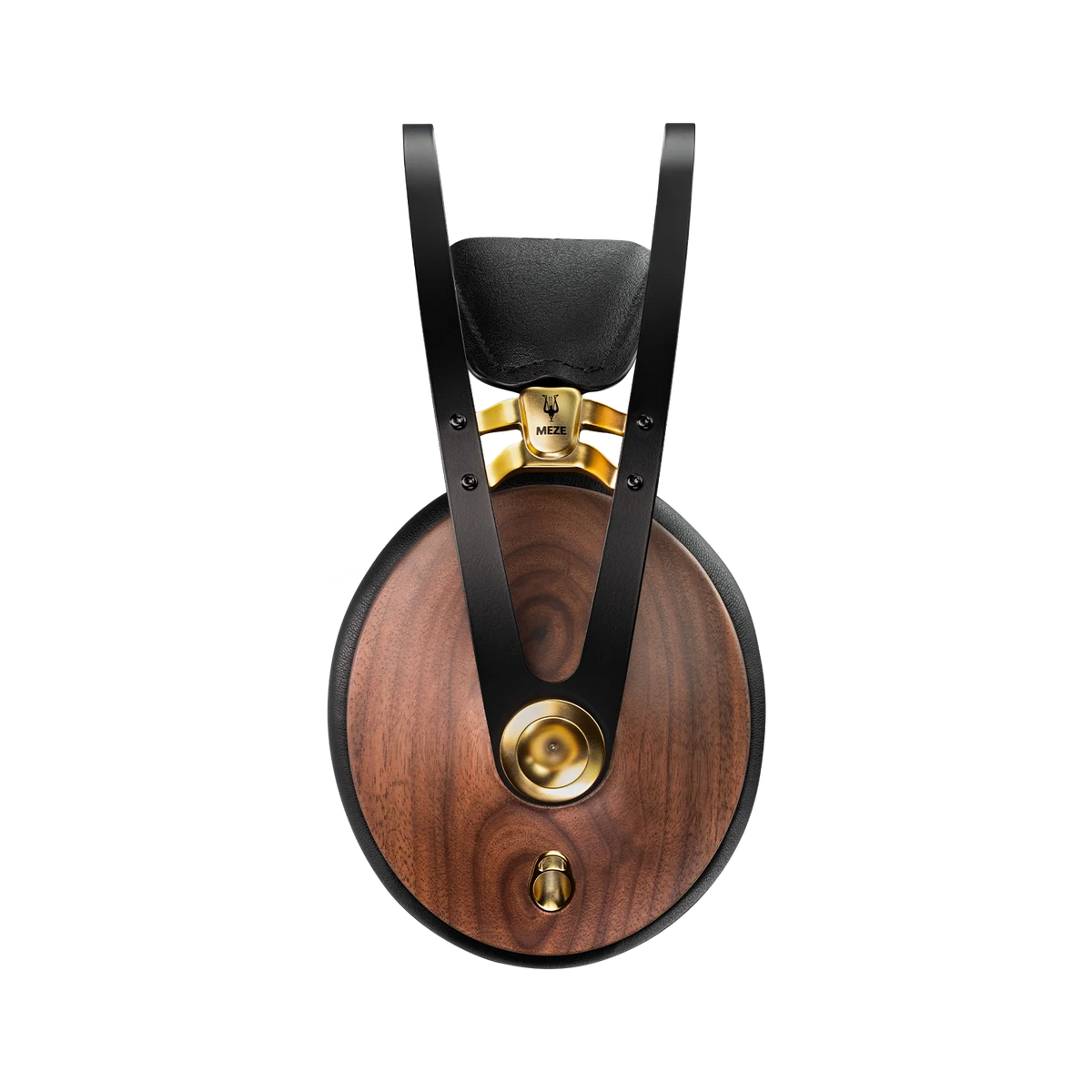
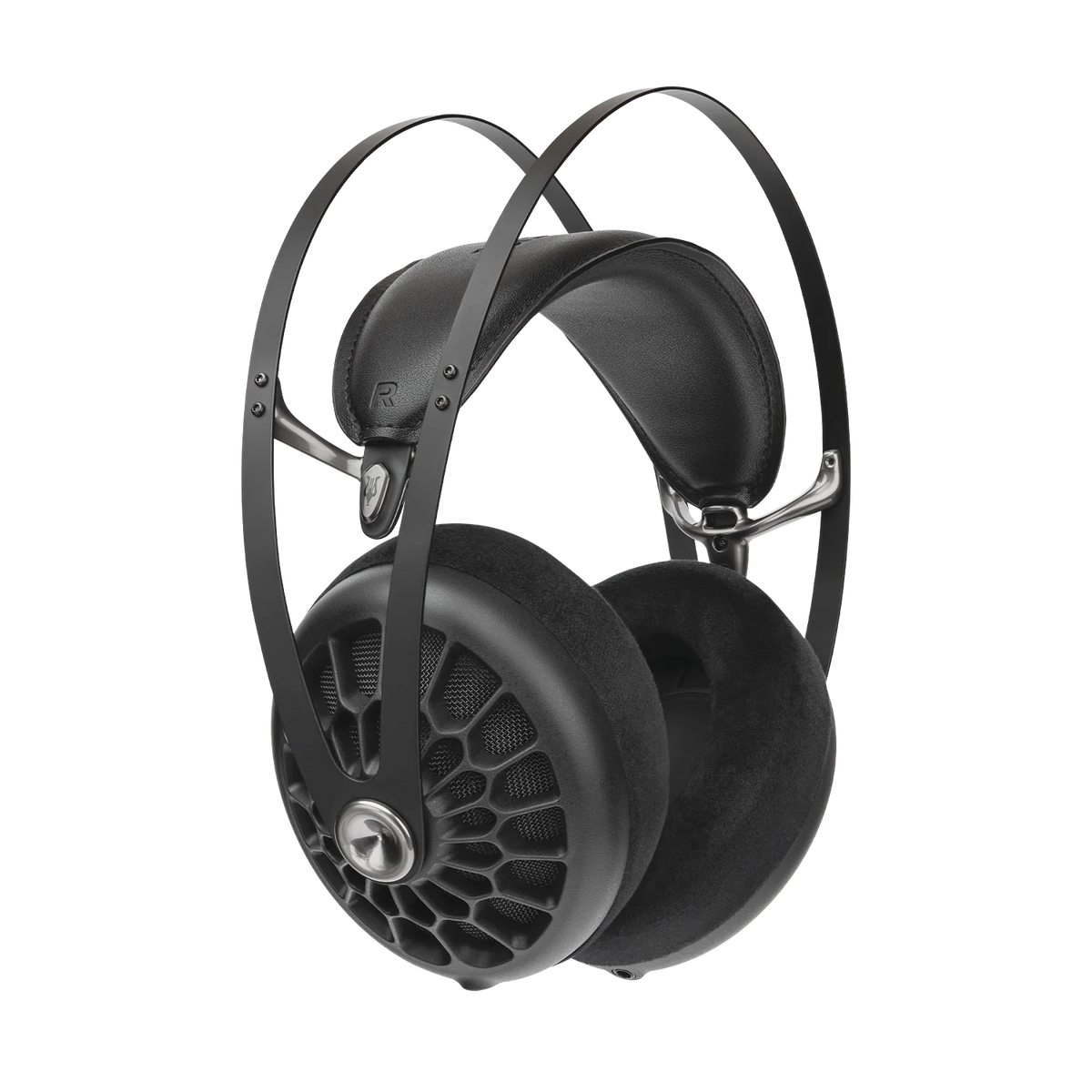
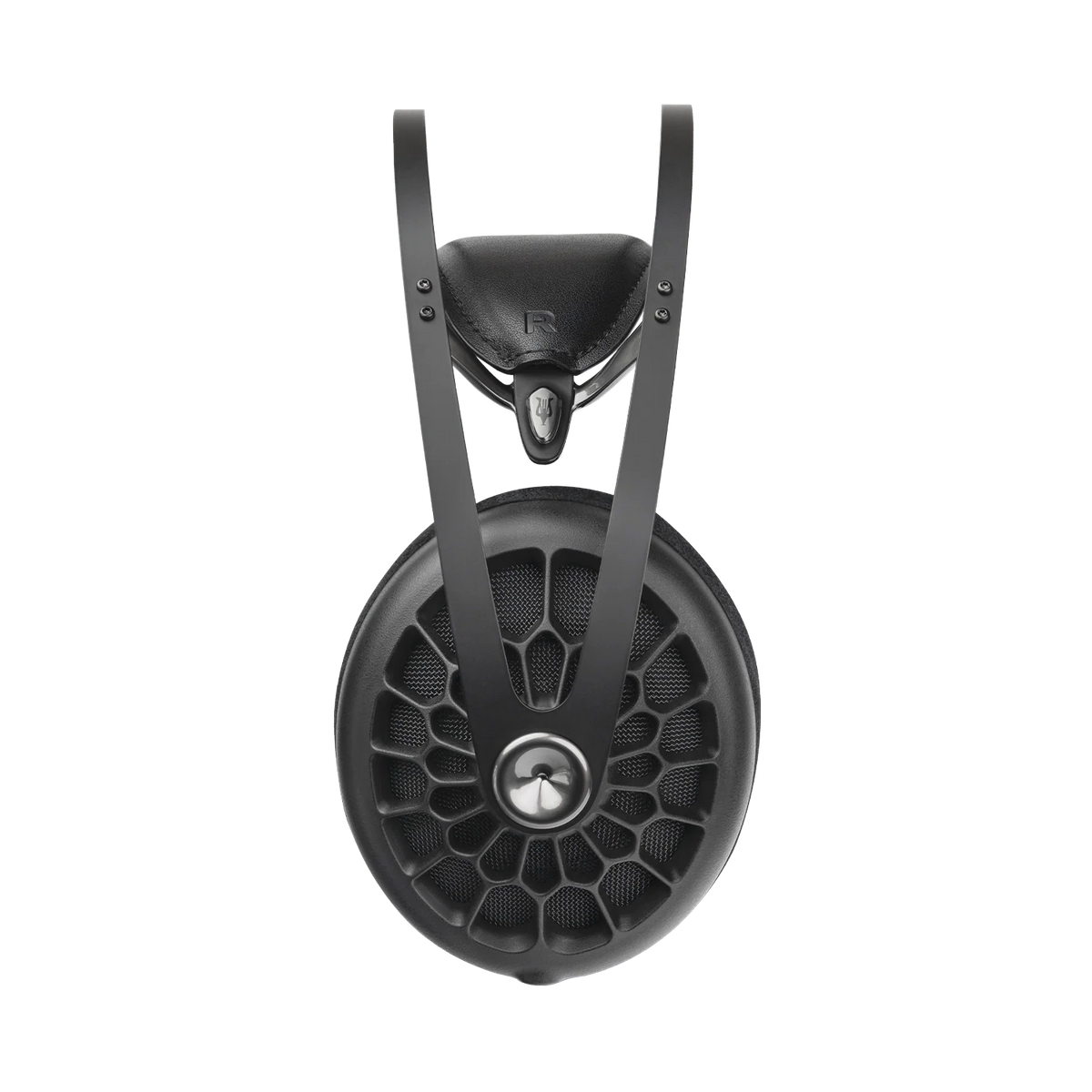


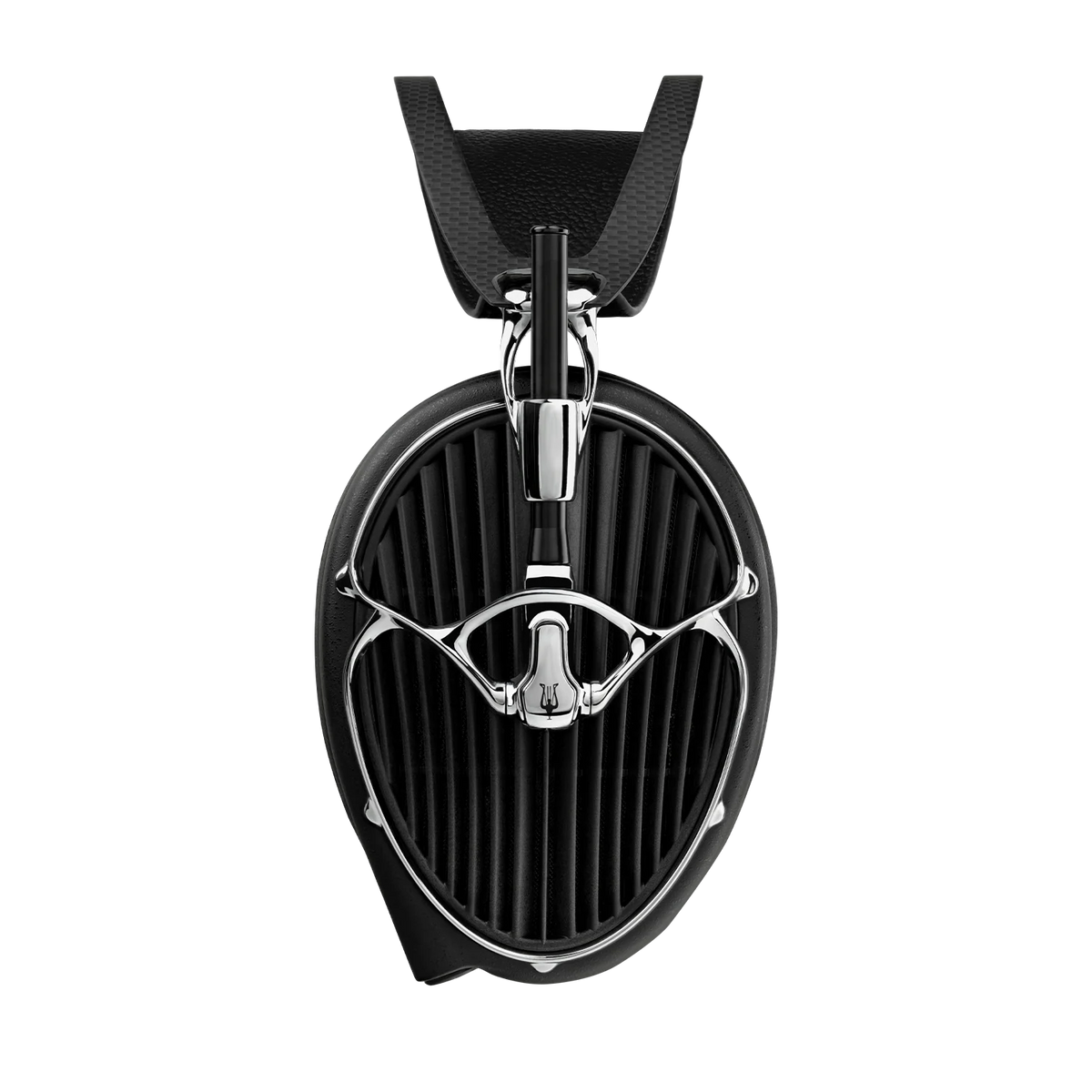


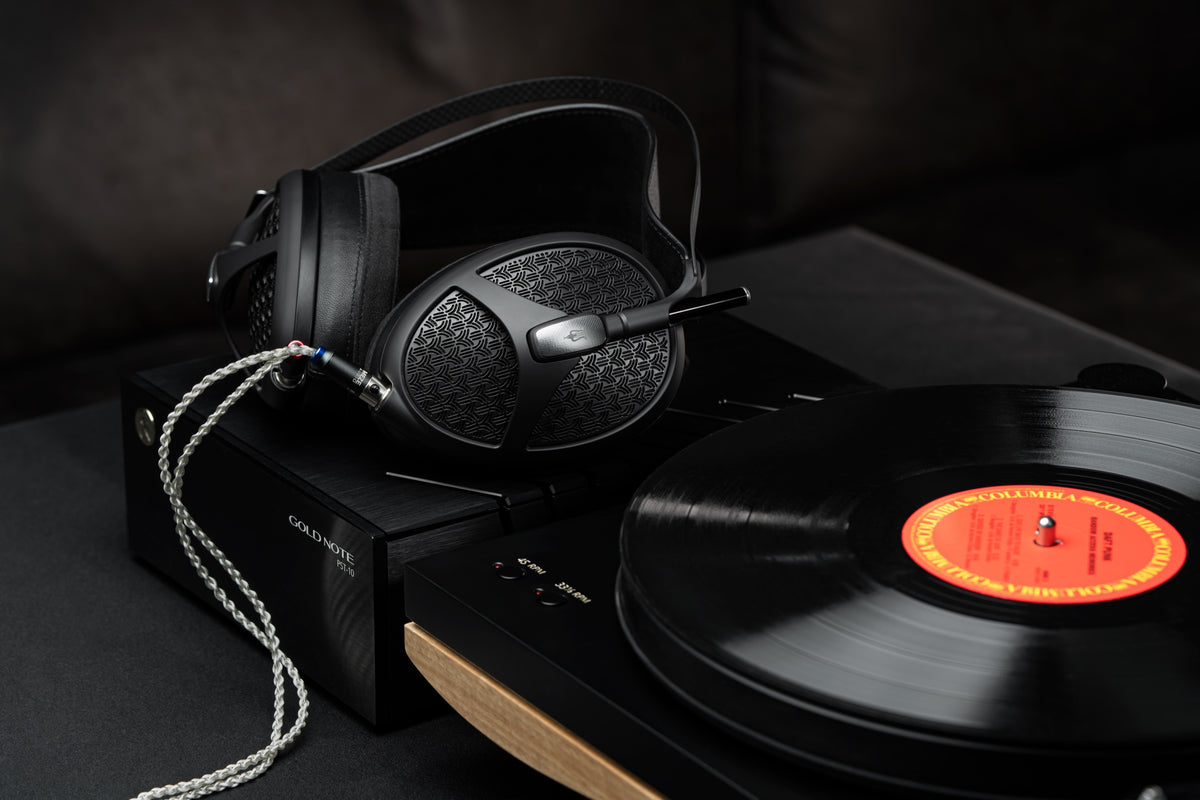
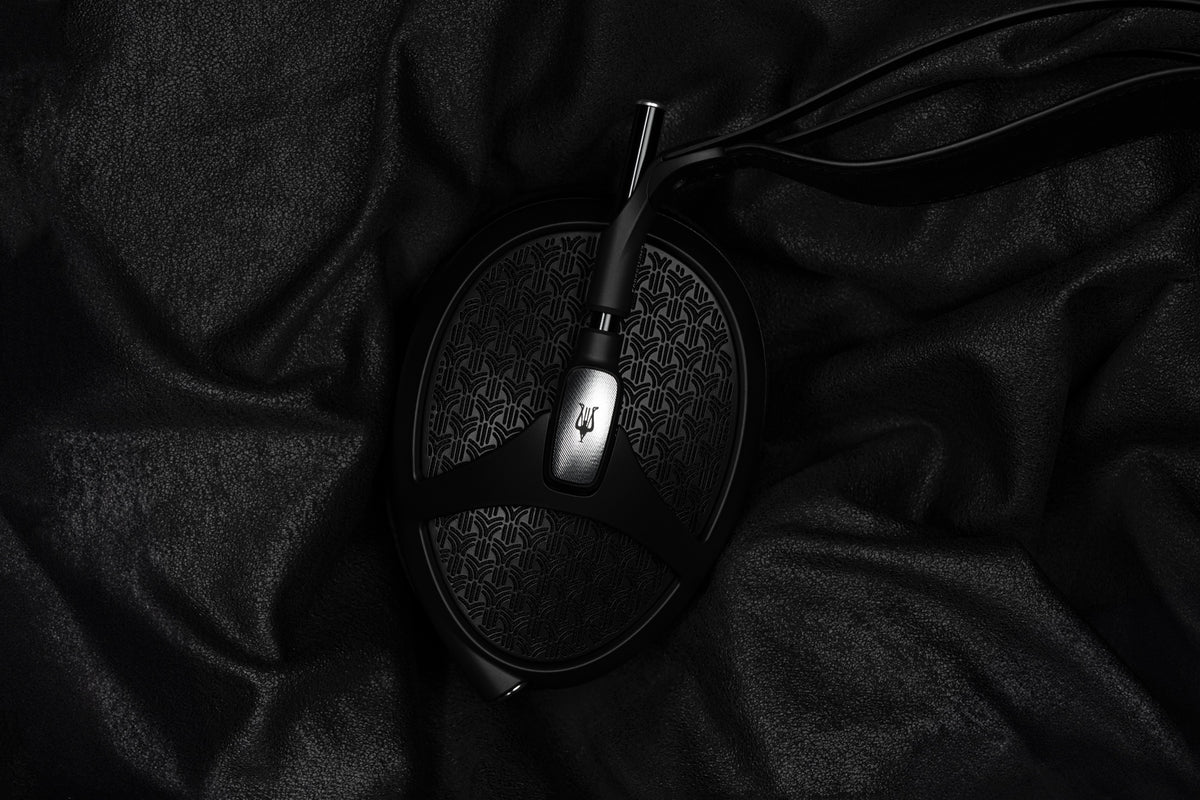
Meze's 2026 flagship, an open-back planar built on a deliberately high impedance Rinaro driver that will not run off anything small.
Which one

Start with the room, not the headphone. If you listen where nobody else is affected, open backs are the easier recommendation: the sound is bigger, the pressure on your ears is lower, and most people can wear them for longer. If somebody else is in the room, or the room is an office or a plane, that whole argument goes away and you want a closed back or an in-ear. This single choice removes more of the catalogue than any other, and getting it wrong is the most common expensive mistake in headphones.
Then decide how it should sit. Over-ear is the default for sitting still: the weight spreads across the side of your head and the pads do the sealing. On-ear is lighter and cooler and puts pressure directly on your ear, which some people stop noticing in ten minutes and some never do. In-ear is the only kind that travels properly and the only kind whose performance depends on getting a seal, so the tips matter as much as the model does.
Which one
Start with the room, not the headphone. If you listen where nobody else is affected, open backs are the easier recommendation: the sound is bigger, the pressure on your ears is lower, and most people can wear them for longer. If somebody else is in the room, or the room is an office or a plane, that whole argument goes away and you want a closed back or an in-ear. This single choice removes more of the catalogue than any other, and getting it wrong is the most common expensive mistake in headphones.
Then decide how it should sit. Over-ear is the default for sitting still: the weight spreads across the side of your head and the pads do the sealing. On-ear is lighter and cooler and puts pressure directly on your ear, which some people stop noticing in ten minutes and some never do. In-ear is the only kind that travels properly and the only kind whose performance depends on getting a seal, so the tips matter as much as the model does.
Wireless, power and budget
Wireless is a separate question. You are paying for the radio, the battery and the noise cancelling as well as for the sound, and it comes out of the same budget. At a desk within reach of a cable, that money goes further in a wired headphone. If you move around the house or through an airport, it buys something a cable cannot.
Last, power. Most headphones now run happily off a phone or a laptop. A few, usually the higher impedance or lower sensitivity ones, sound thin and soft until something with real current behind it drives them. That is a specification you can read rather than a mystery, so tell us what you plan to plug into and we will tell you whether it is enough.
A note on how much to spend, because it sits under all of the others. Below a certain point you are buying a solved problem: the answer at that price is clear, and the right move is to take it and get on with listening. Above it you are buying a character, and character is preference rather than quality.
Worth knowing
Pads are a wear item and almost nobody treats them like one. Foam compresses, leather hardens, and the seal changes with them. A five year old headphone that has gone dull or thin usually needs $30 of pads rather than replacing, and a pad change moves the sound further than upgrades costing ten times as much.
Comfort beats sound quality over any length of time that matters. A headphone you take off after forty minutes gets listened to less than one you forget you are wearing, whatever the graphs say about either. Weight, clamp, and whether the pad sits on your ear or around it deserve more attention than they usually get. They are also the three things a review cannot settle for you, because heads differ.
Money, parts and burn-in
Returns on money flatten earlier here than the market admits. Fifty dollars to three hundred is a large, obvious step. A thousand to three thousand buys a different character rather than a better one, and anyone telling you their favourite at that level is simply the best is describing a preference. Hear one before you buy it.
Two mechanical details decide how long a headphone lasts. A detachable cable turns the most common failure in headphones into a part rather than a repair. And a maker who sells pads, headbands and cups separately is telling you it expects the headphone to be kept.
Burn-in is mostly you. Drivers change a little over the first hours and your ears adapt a lot, and the adaptation is the larger effect by a wide margin. Give a new headphone a week before you decide, then decide.
Worth reading
All guides
Open is serious and closed is a compromise, says the internet. It is a question about your room, not about quality, and it decides more than the driver does.

Where you listen, how closely you listen, and what it takes to drive the thing. Answer those three and the catalogue narrows fast. Picks at every step.

Ohms, sensitivity, and the needs-an-amp argument. What the number actually tells you about a headphone, and the cases where it tells you nothing useful.

Five open-back picks from about a hundred dollars to the point where the curve flattens, chosen with an amplifier in the room rather than a phone in your pocket.
We take headphones on consignment and in trade. Tell us what you have.
What you get either way
The listening room
Third floor at 215 East Lewis Street in Livingston, by appointment. An hour in the room settles this faster than anything either of us could write.
How we grade
Used and consigned gear is graded at the worst axis and never averaged. Every defect is named on the listing and the standard is published, so as described is something you can hold us to.