


Meze Audio

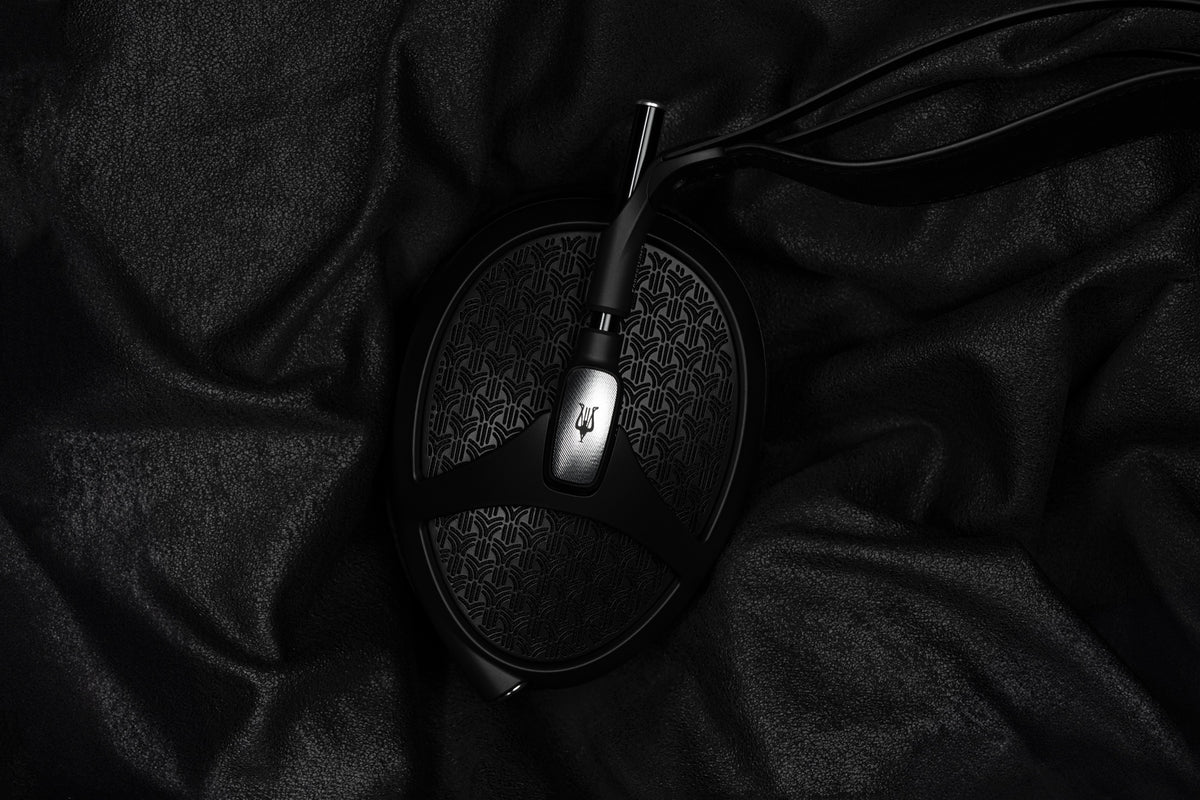
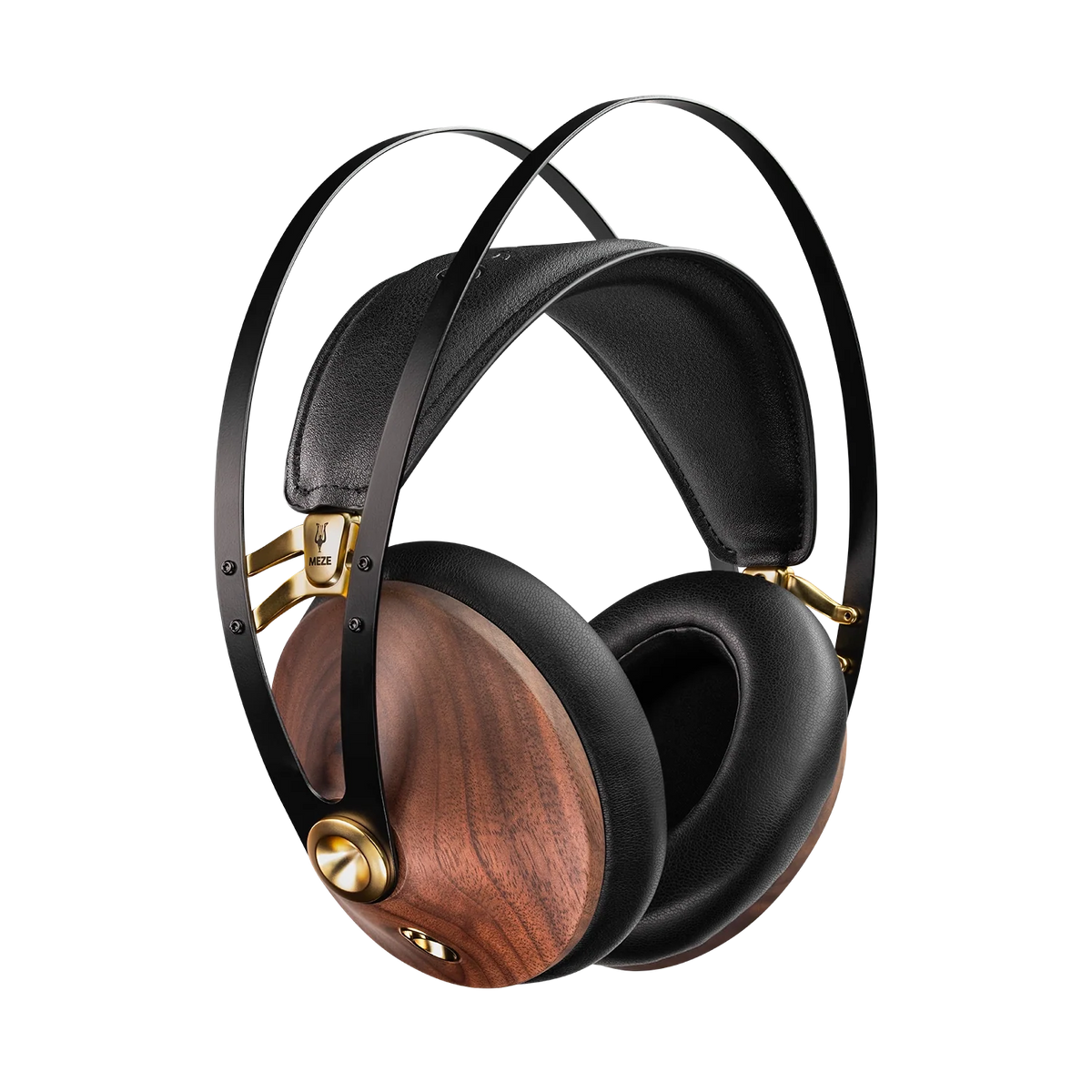
Meze is a Romanian company in Baia Mare, started by the industrial designer Antonio Meze in 2011, and the design usually arrives before the engineering does. That is meant as praise. These are among the few headphones people buy partly because of how they look, and the ones that came out best look and sound like the same decision.
What they should be known for is serviceability. Meze sells the headband, the pads, the cable, the headrest and the ear cups as separate parts, and their own warranty says every part of the headphone can be disassembled and serviced. A five year old Meze is a repair, not a write-off. Almost nobody at this price does that, and it is the reason to buy one if you intend to keep it.
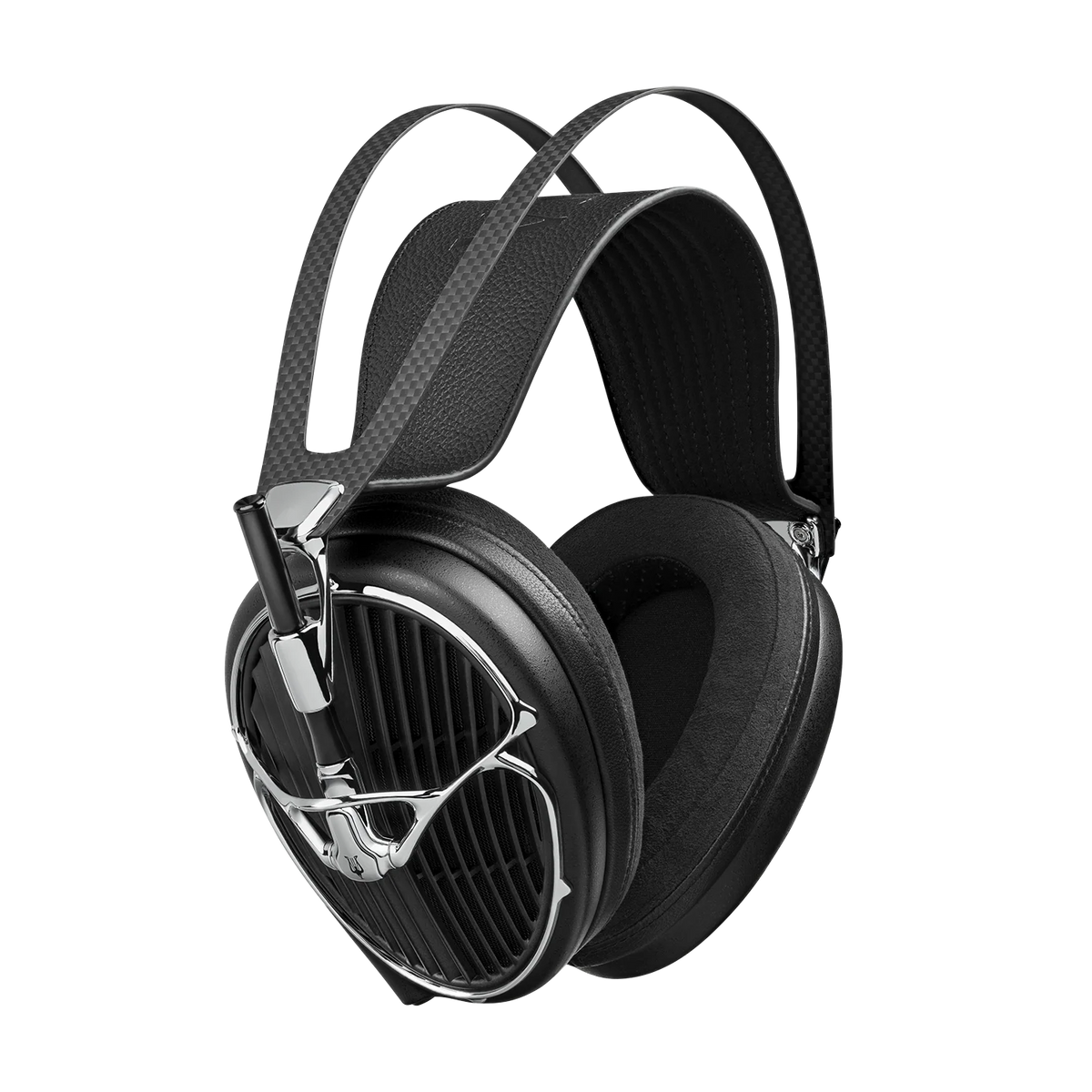
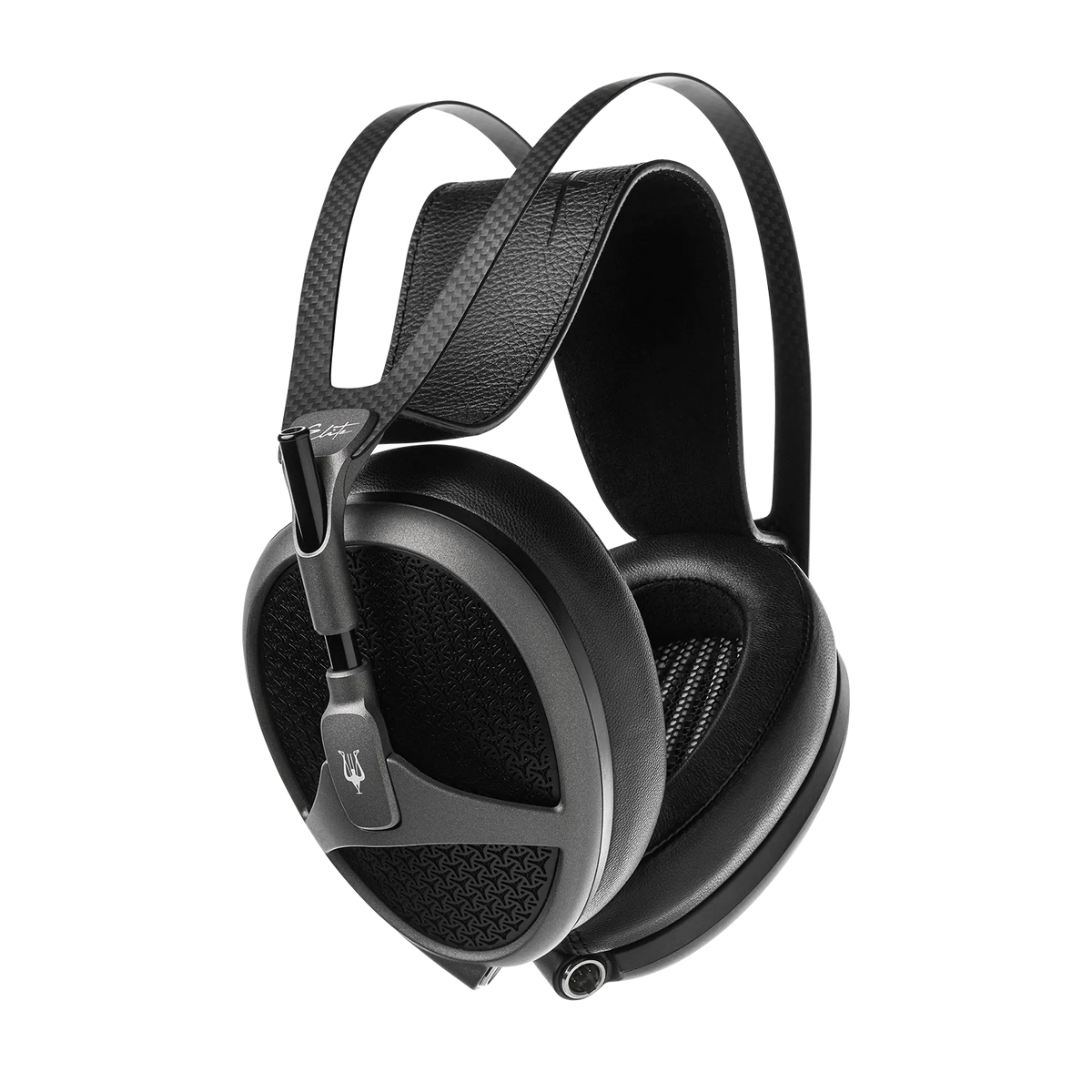
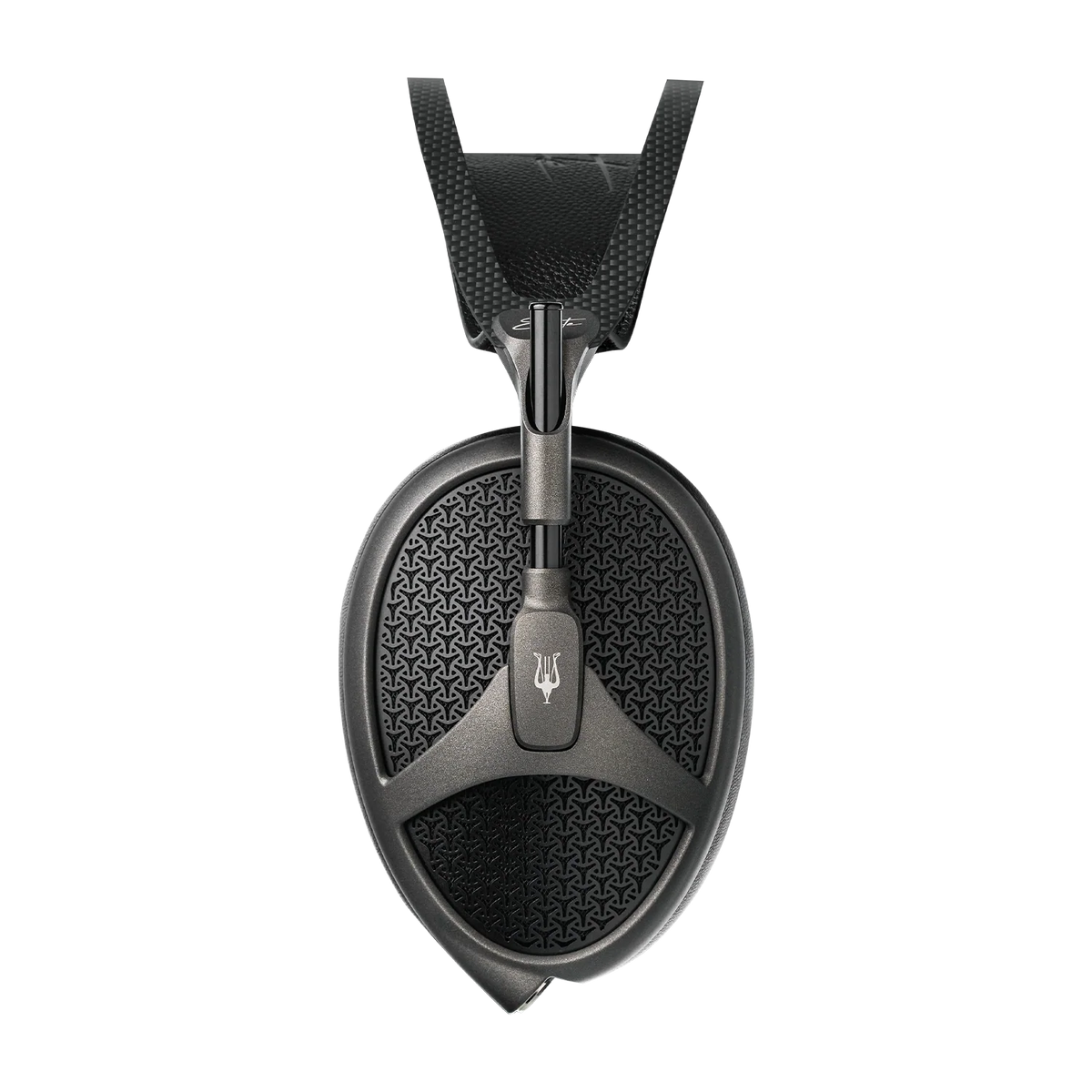
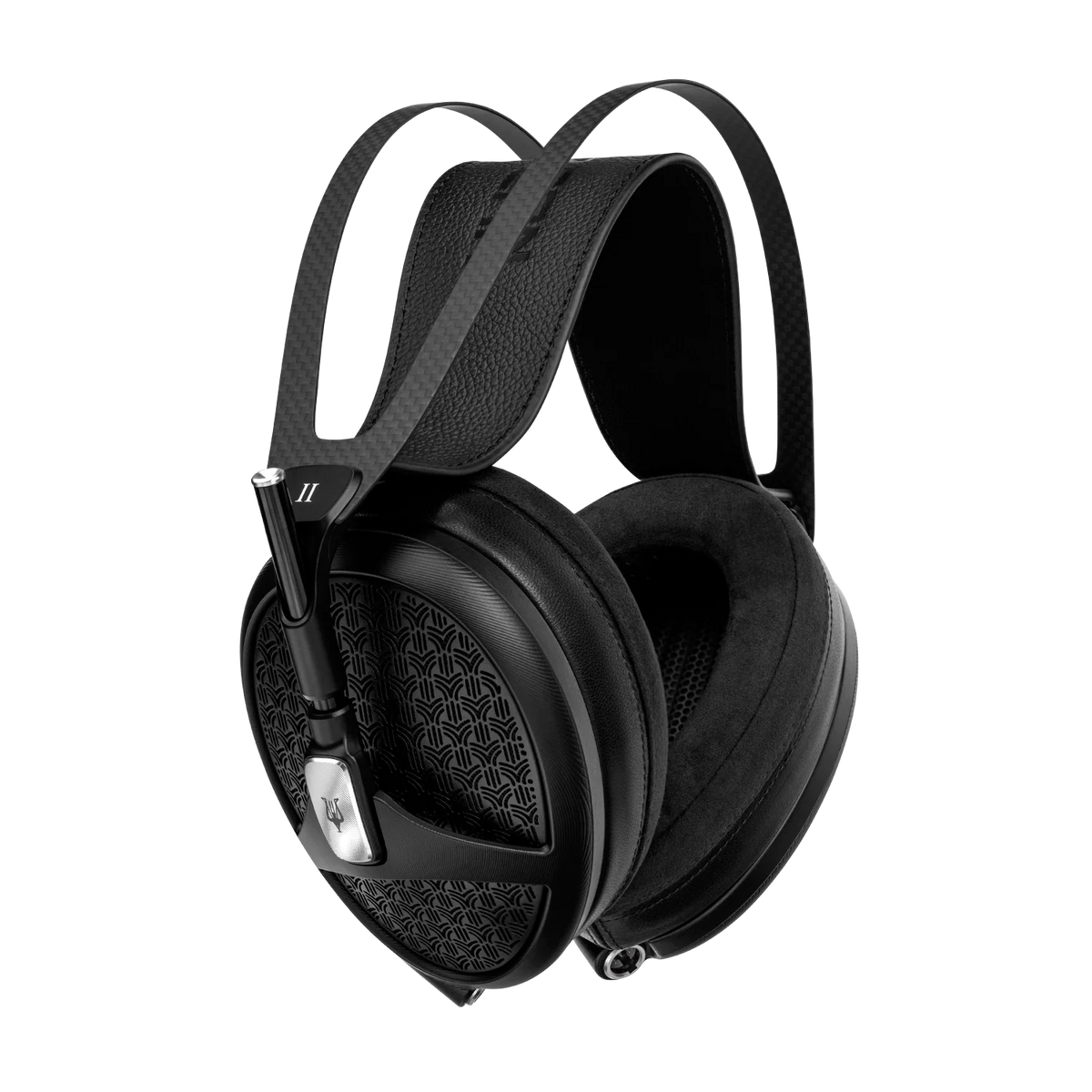
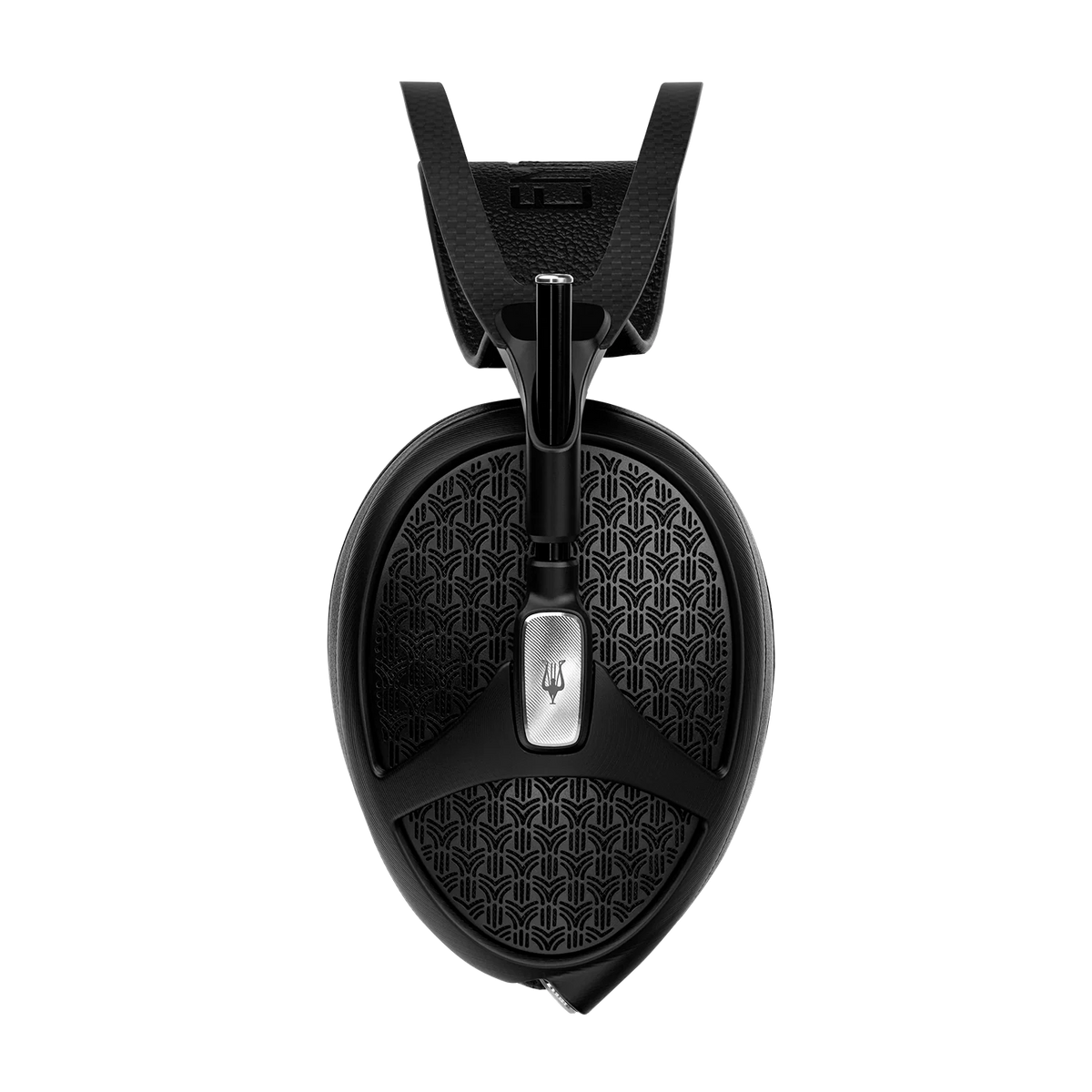
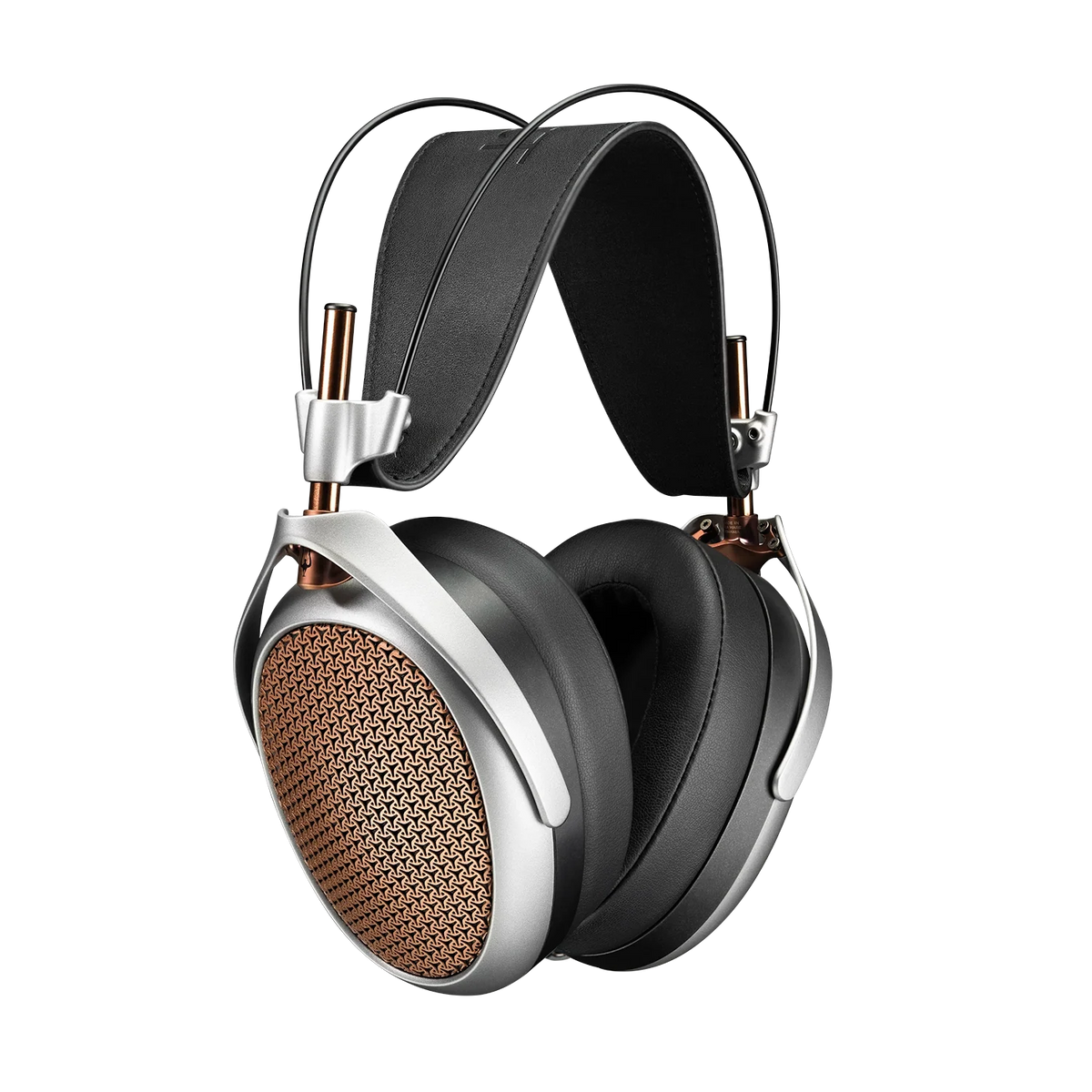
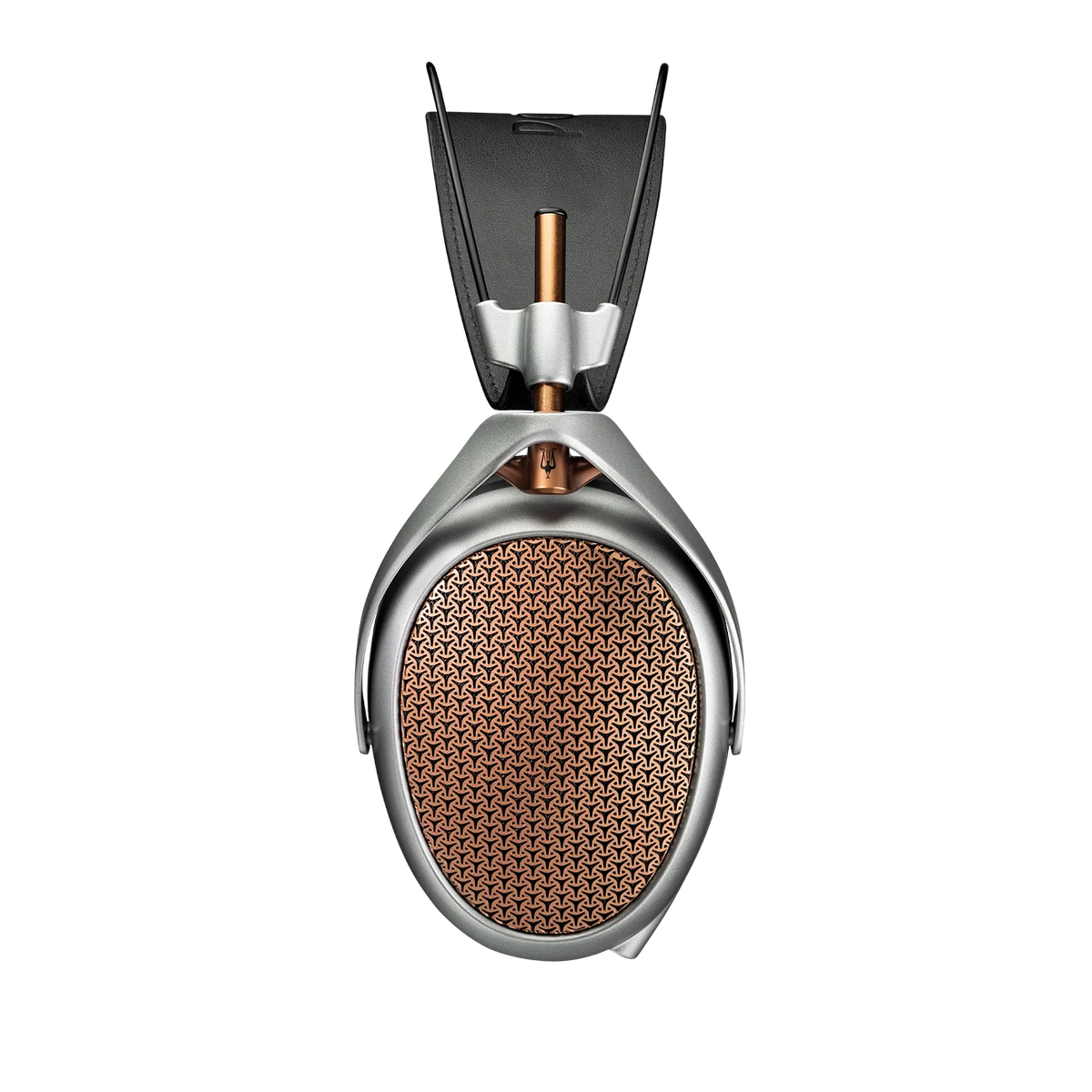


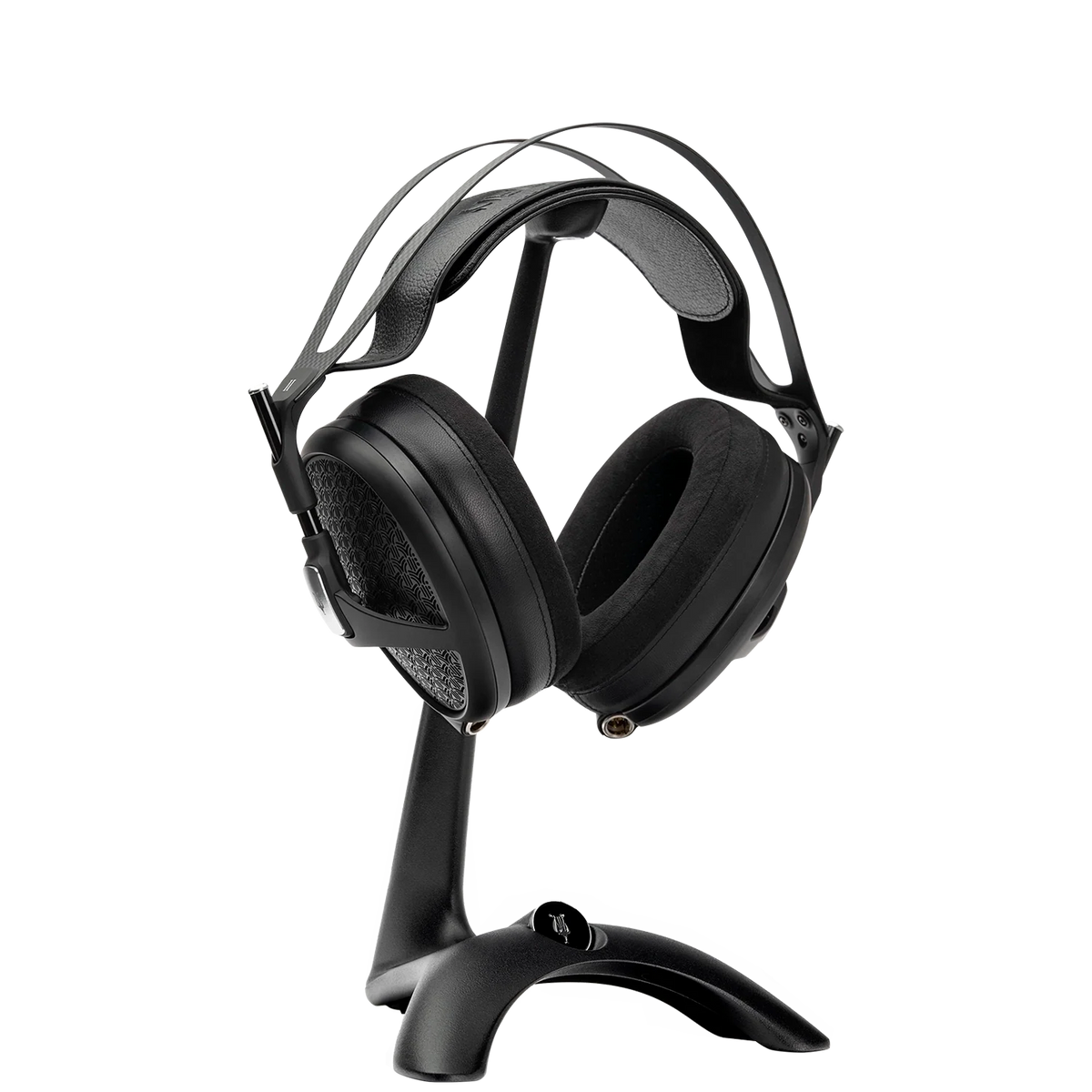
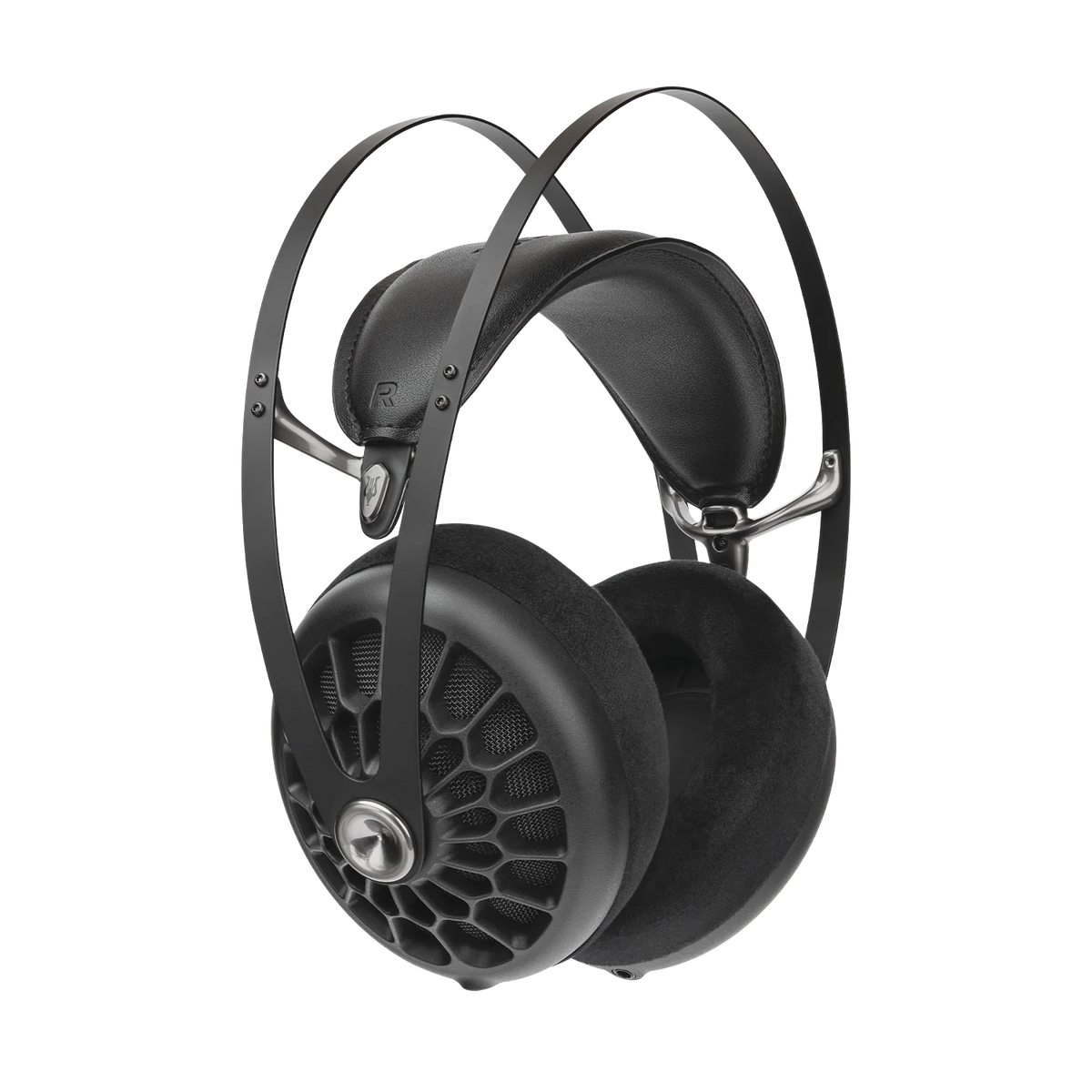
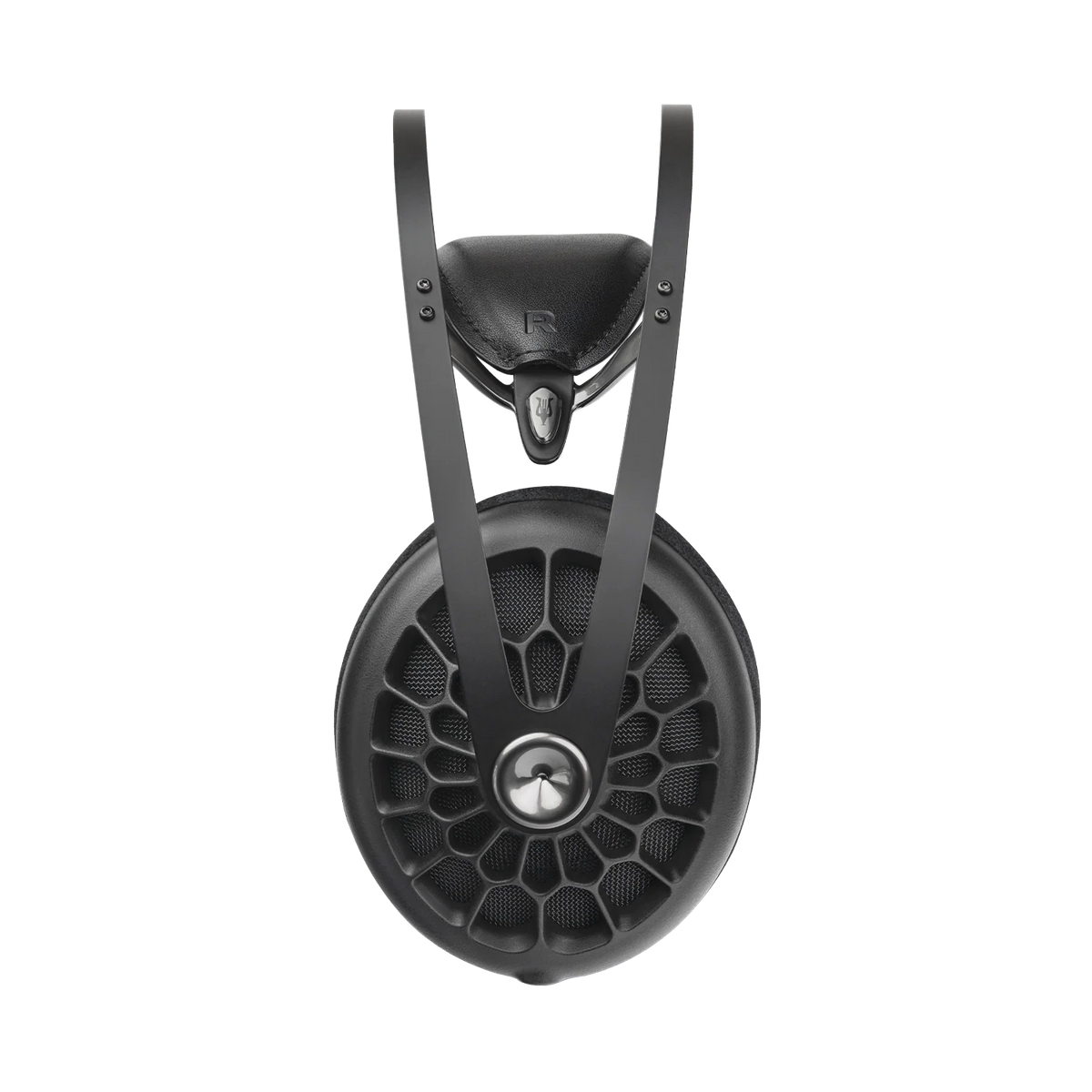
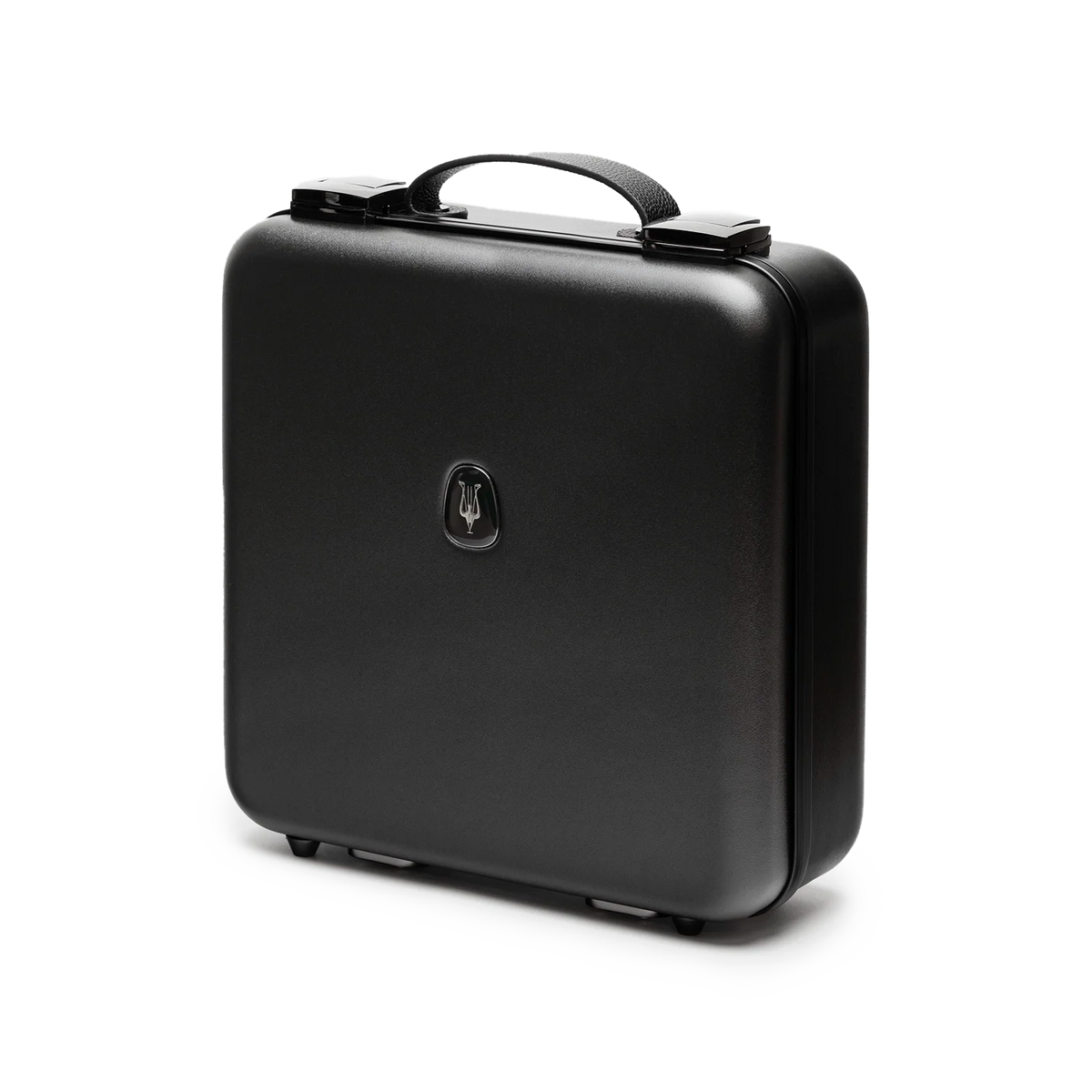
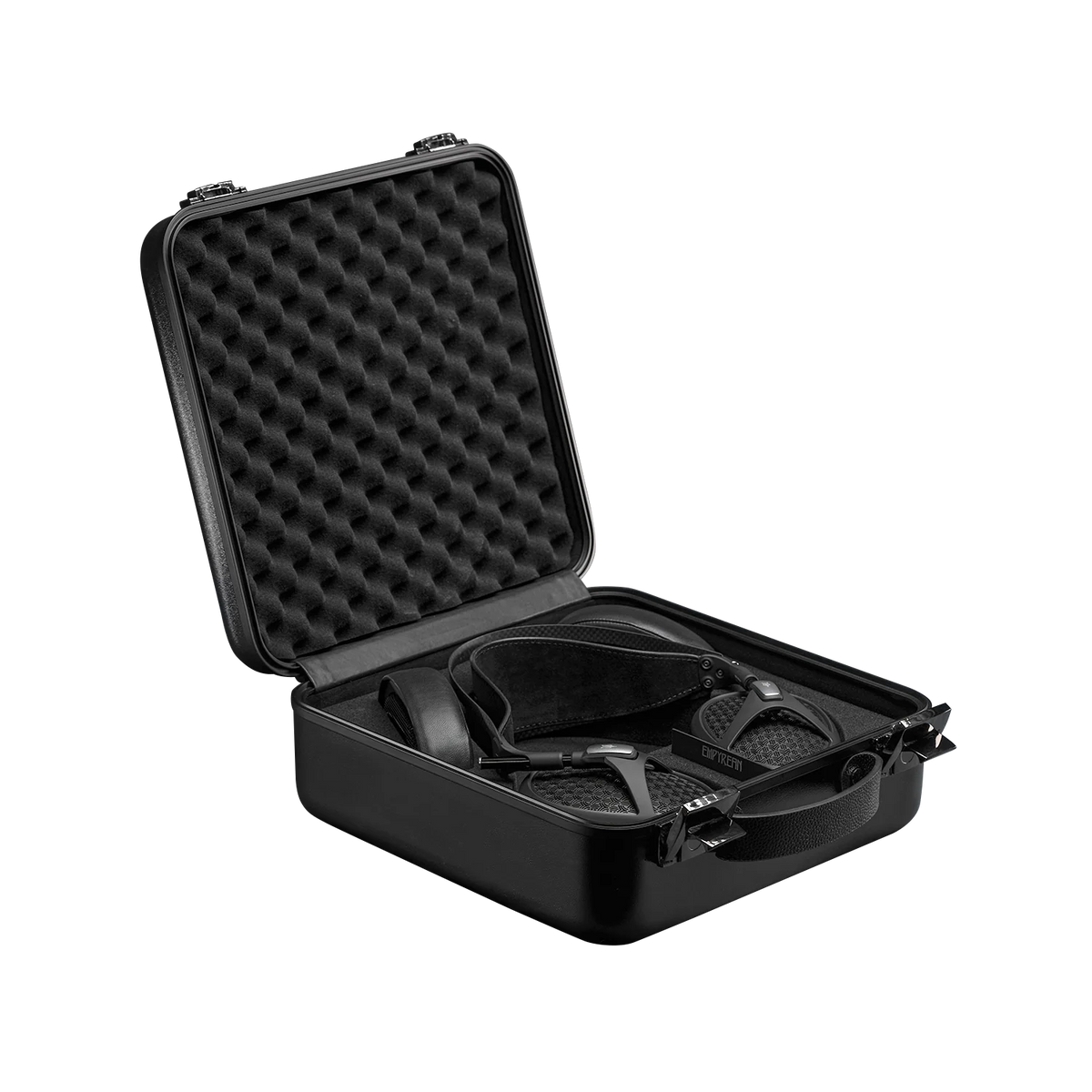
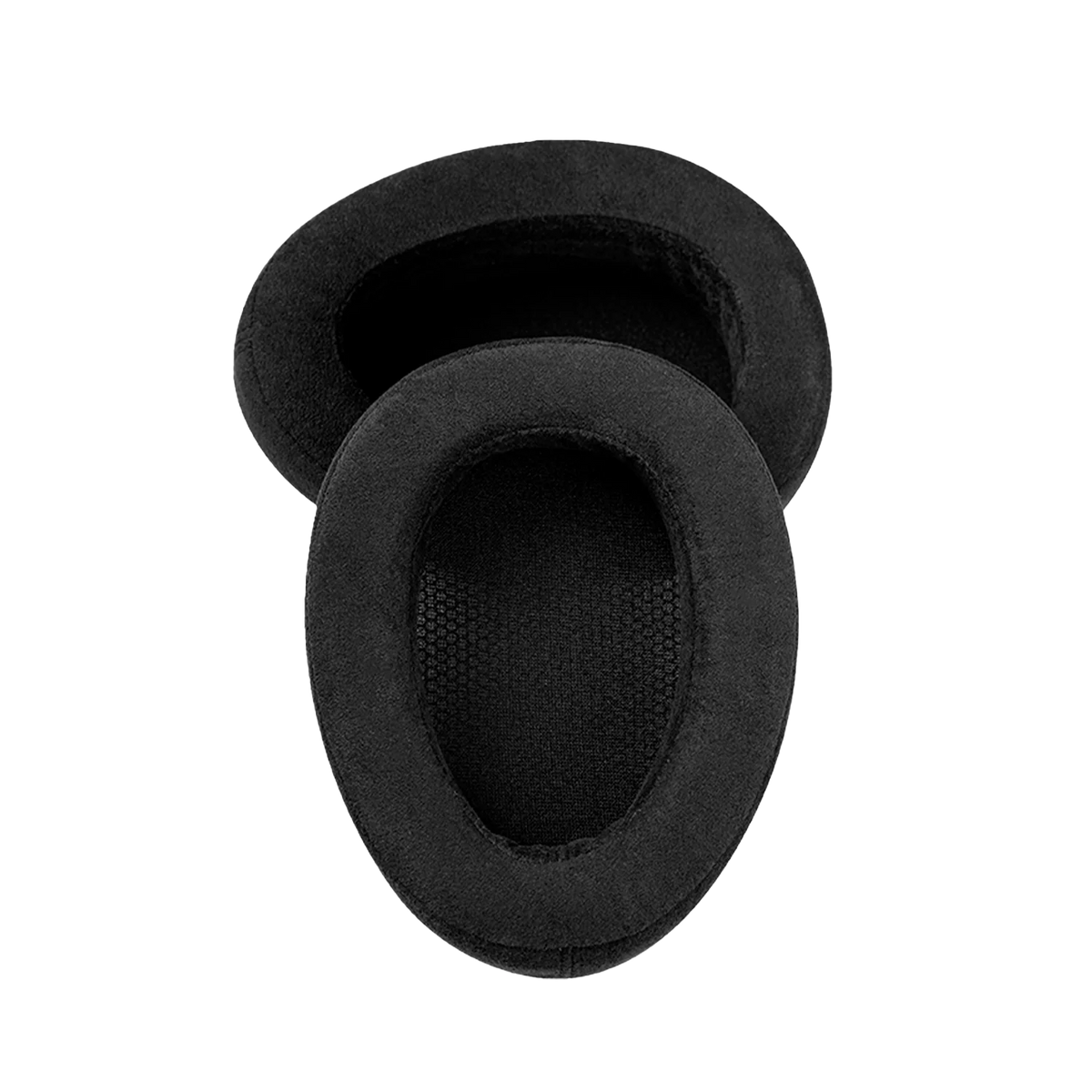
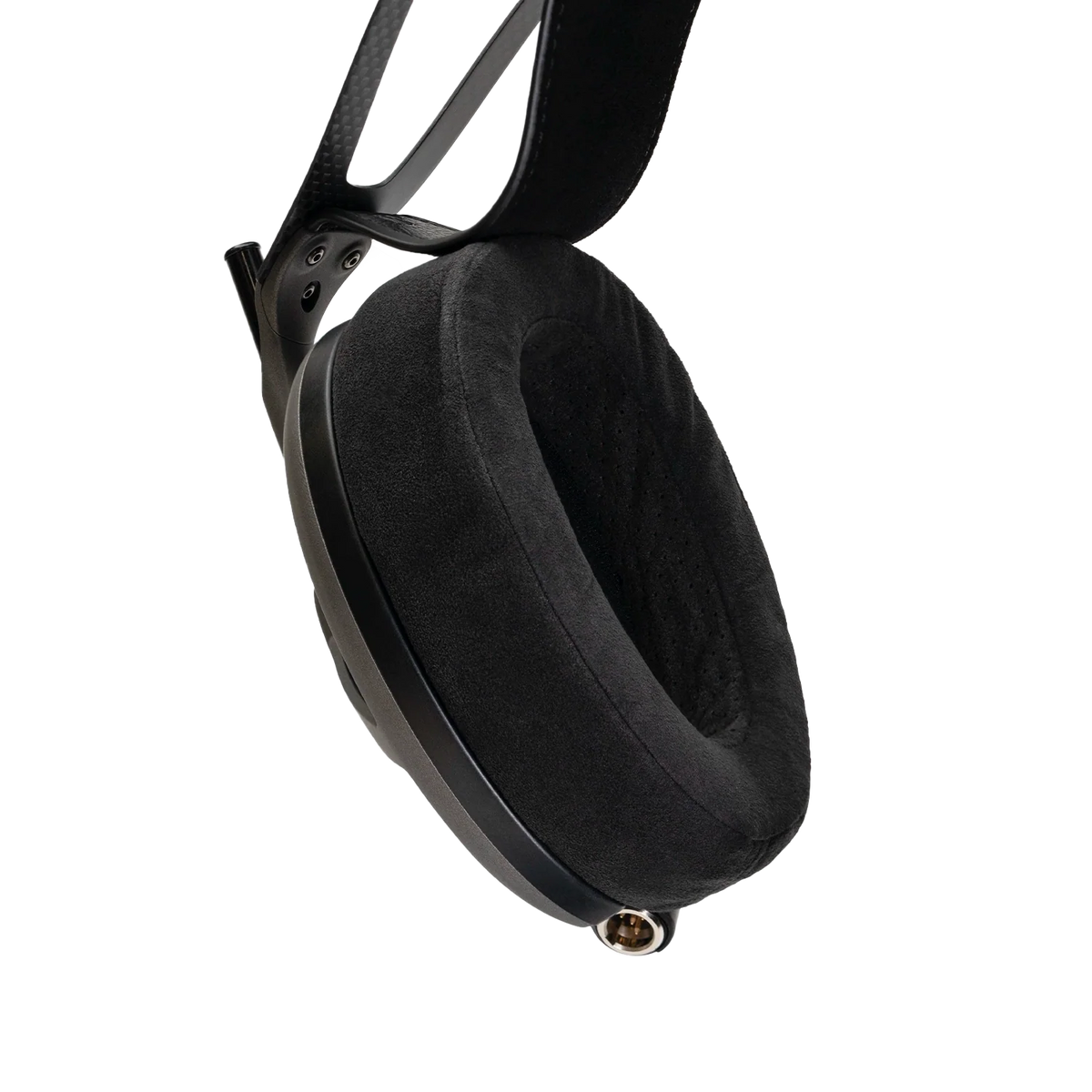
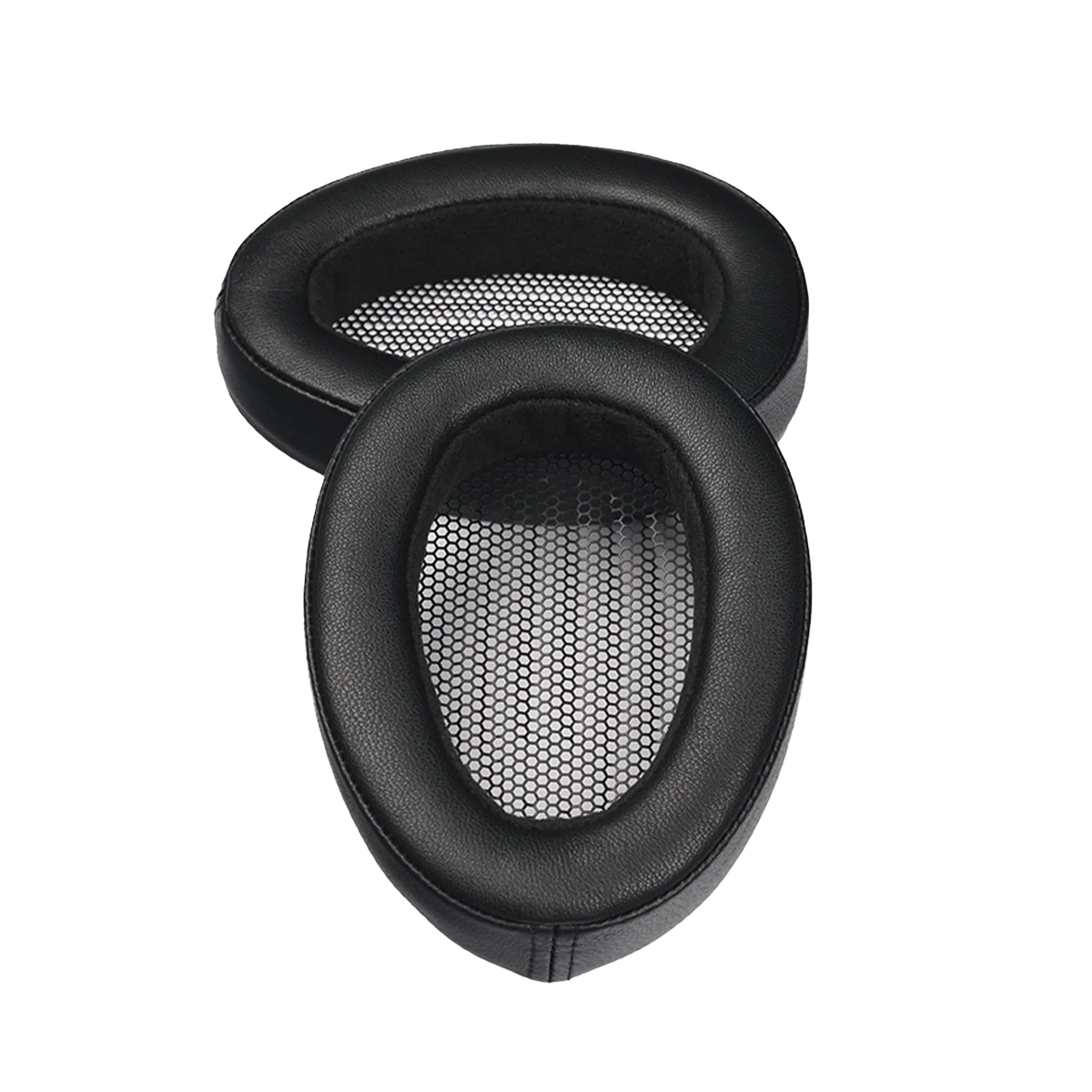
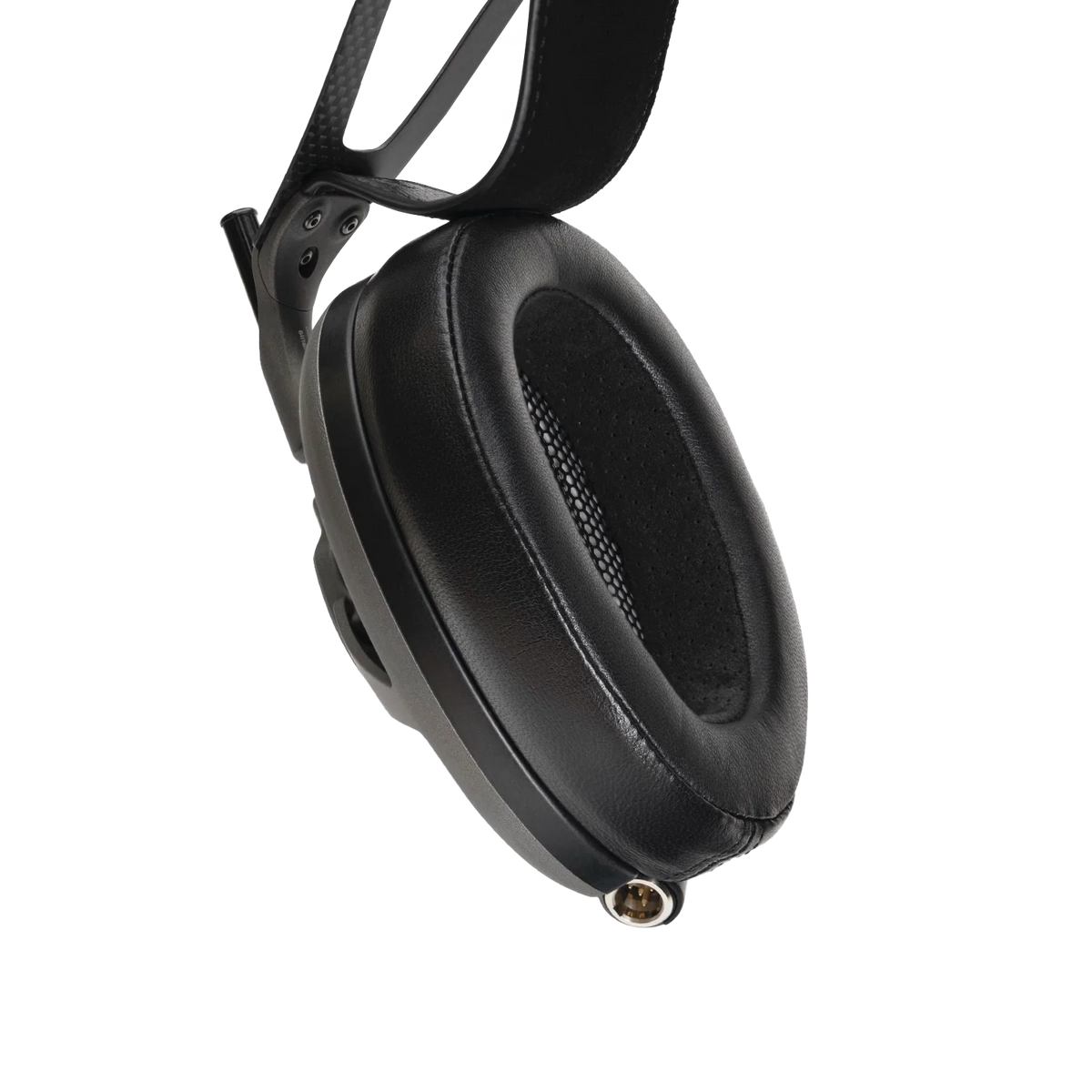




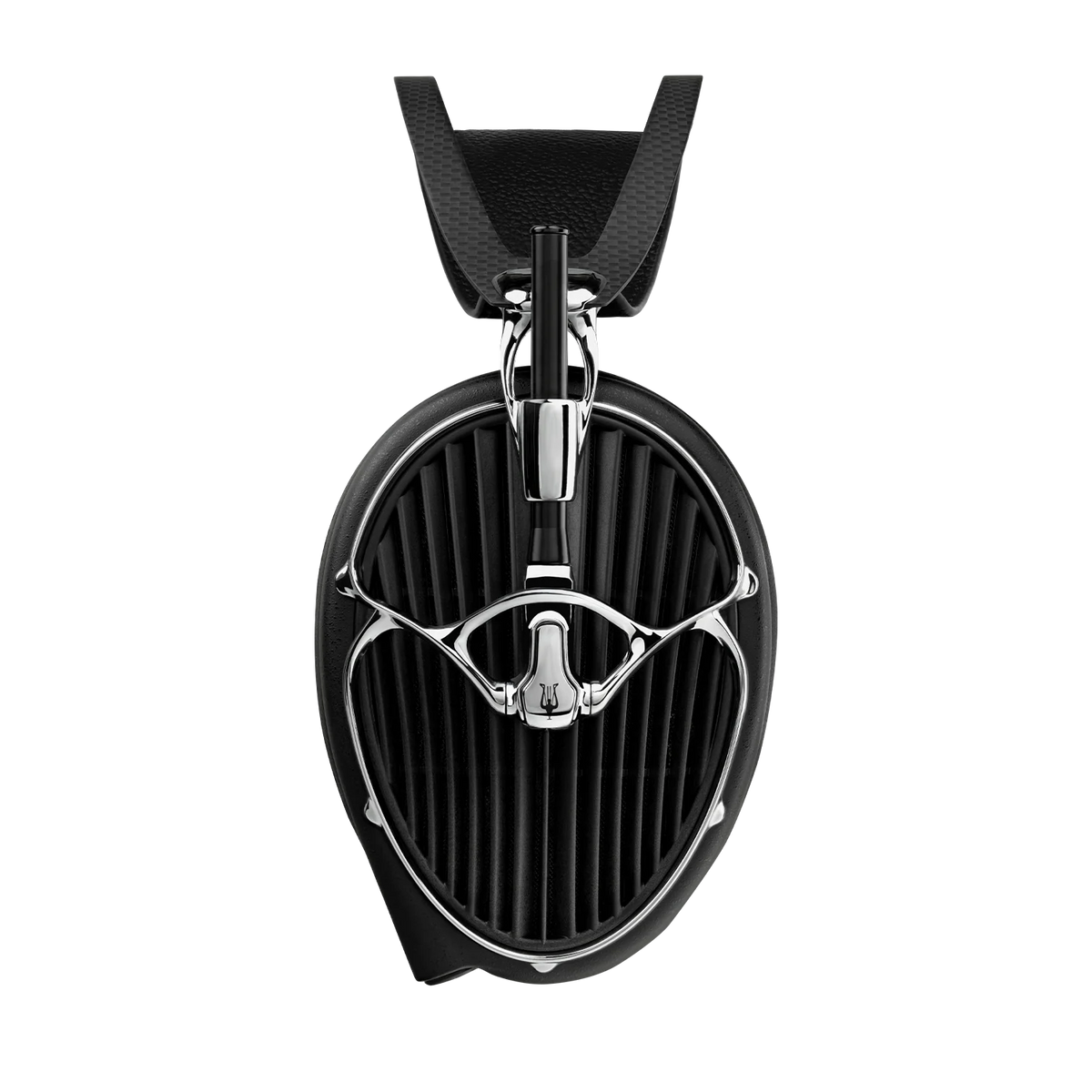


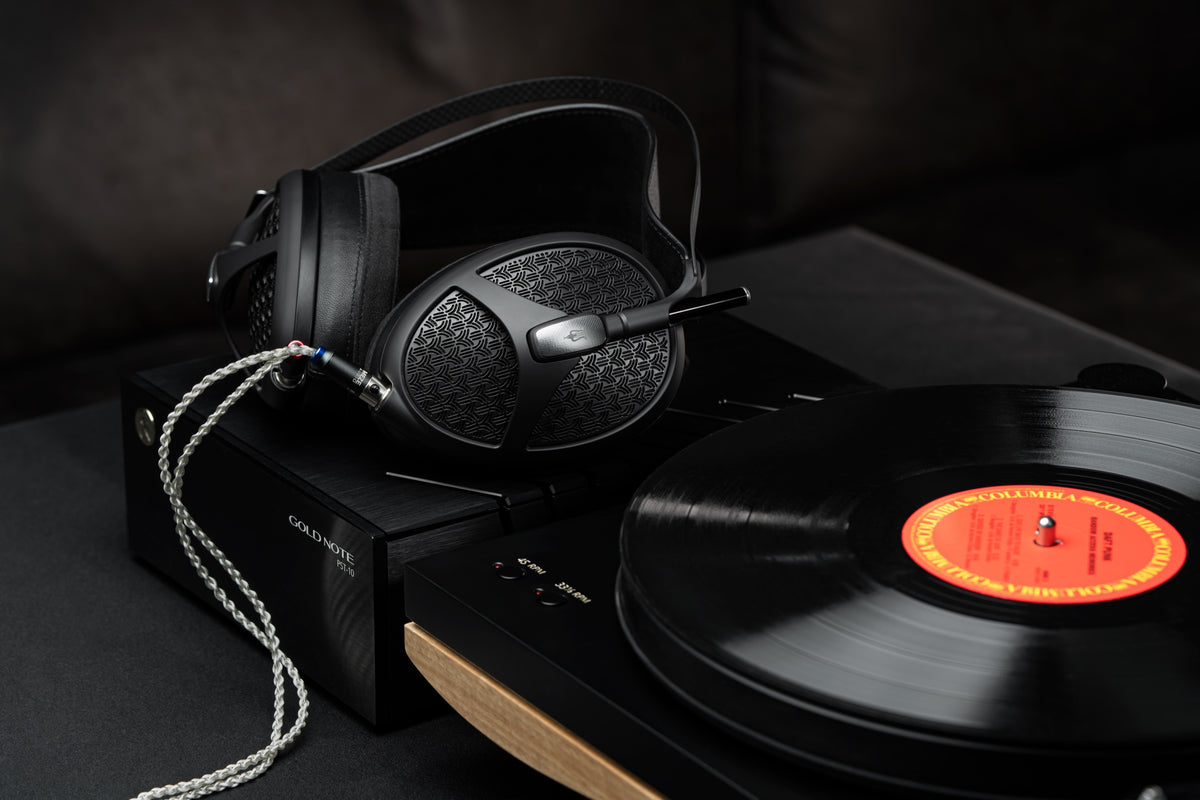
Meze's 2026 flagship, an open-back planar built on a deliberately high impedance Rinaro driver that will not run off anything small.

Open back
The outside of the earcup is a grille, so air and sound pass through it in both directions. That usually buys a more spacious, less boxed in presentation, and it costs you privacy.
All headphonesIn-ear
A headphone that seals inside the ear canal instead of sitting over or on the ear. It isolates well for its size, and it lives or dies on getting the right eartip.
All in-ear monitorsPads and cables
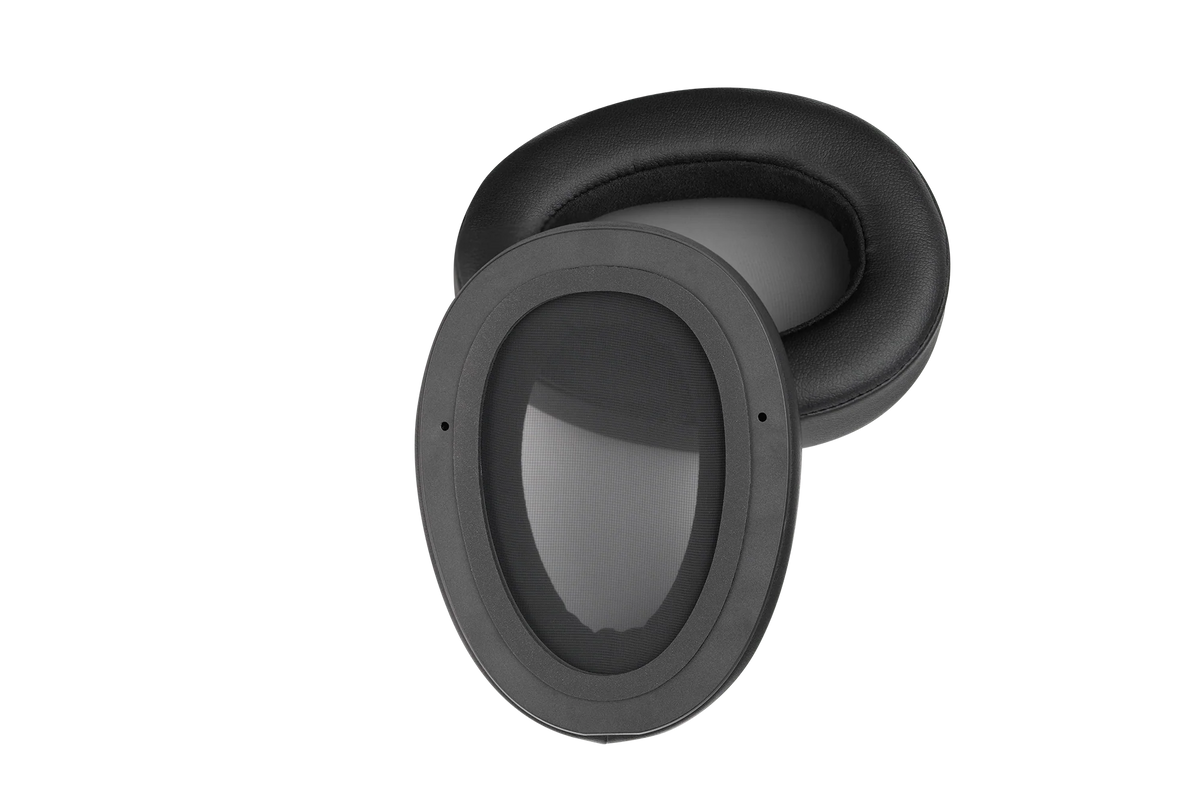
A flattened pad breaks the seal, and a broken seal takes the bass with it. A tired pad is not a cosmetic problem.
All accessories
Which one

Open backed, for a quiet room. These leak in both directions and they are the ones worth sitting down with. The 105 AER at $299 is the way in and it runs off a phone. The 105 SILVA at $499 is the same platform in hand-polished walnut. The 109 PRO at $799 is the last of the dynamics. Above that the planars start: POET $2,000, EMPYREAN II $2,999, ELITE $4,000, and the ARTA at $6,000.
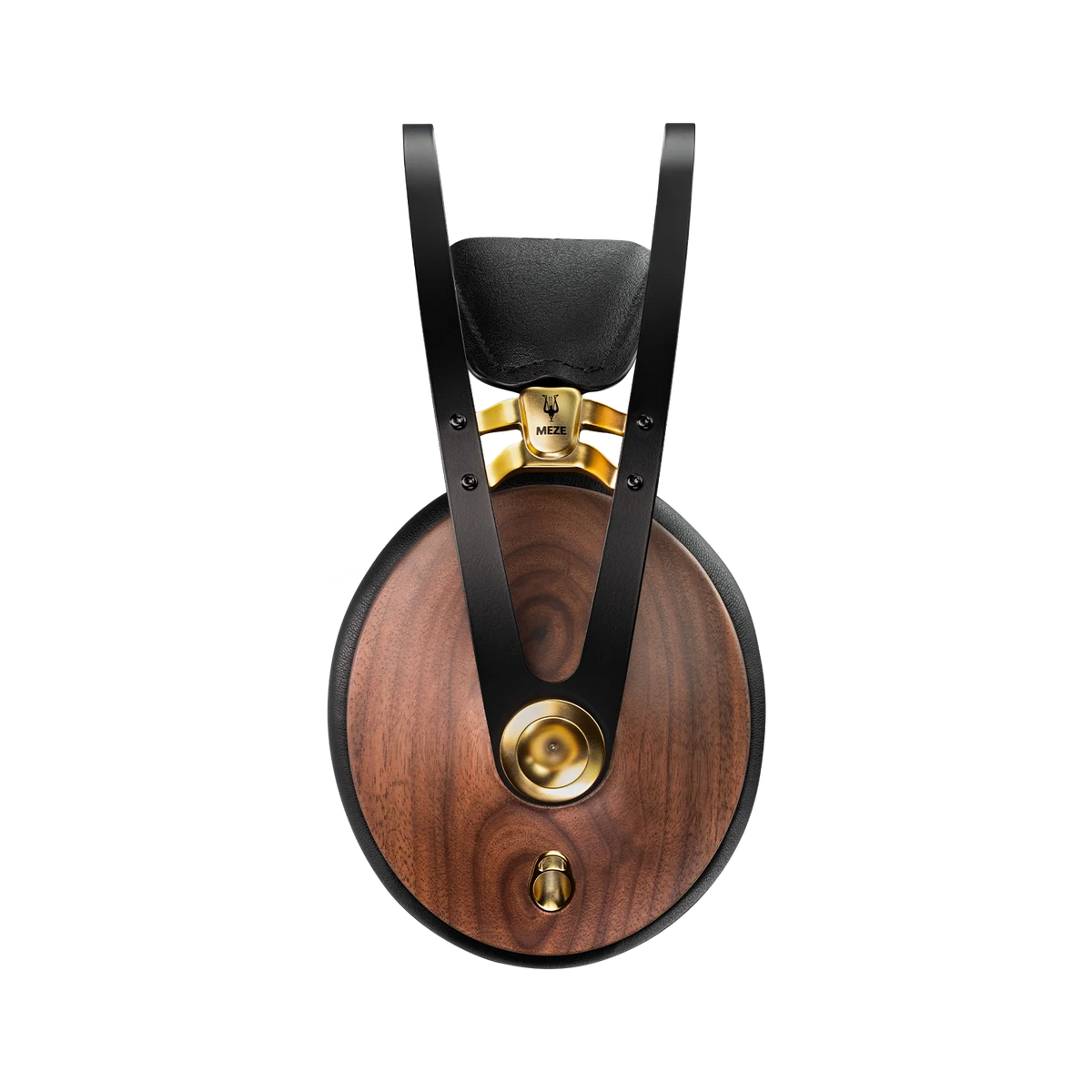
Closed backed, for everywhere else. 99 CLASSICS 2nd Gen at $349, walnut, screw-assembled, no glue, and it now ships with a USB-C dongle and acoustic absorbers that the first generation did not have. STRADA at $799 is the other closed one, a hand-painted magnesium frame with Macassar ebony cups.
In ear. ASTRU at $899 is one dynamic driver in a one-piece titanium shell. ALBA at $159 and ALBA S at $129 are the same earphone, and the only difference is that the ALBA includes Meze's USB-C adapter with a DAC in it. If you already own a dongle you like, buy the S and keep the thirty dollars.
Which one
Open backed, for a quiet room. These leak in both directions and they are the ones worth sitting down with. The 105 AER at $299 is the way in and it runs off a phone. The 105 SILVA at $499 is the same platform in hand-polished walnut. The 109 PRO at $799 is the last of the dynamics. Above that the planars start: POET $2,000, EMPYREAN II $2,999, ELITE $4,000, and the ARTA at $6,000.
Closed backed, for everywhere else. 99 CLASSICS 2nd Gen at $349, walnut, screw-assembled, no glue, and it now ships with a USB-C dongle and acoustic absorbers that the first generation did not have. STRADA at $799 is the other closed one, a hand-painted magnesium frame with Macassar ebony cups.
In ear. ASTRU at $899 is one dynamic driver in a one-piece titanium shell. ALBA at $159 and ALBA S at $129 are the same earphone, and the only difference is that the ALBA includes Meze's USB-C adapter with a DAC in it. If you already own a dongle you like, buy the S and keep the thirty dollars.
What is worth knowing before you spend
Most of the planar flagships ship with two sets of pads, and which two depends on the model. Live with both before you decide which is yours. Each product page lists what is actually in that box, so check there before you count on a second set.
Cables are priced by termination and length, so the number on a cable page is the one for that exact configuration. Ask if you are not sure which one fits what you own, because the Elite family and the Poet family take different cables and they are easy to confuse.
Ask before you make the drive and we will tell you what we can actually put in front of you from this line.
Worth reading
All guides
Open is serious and closed is a compromise, says the internet. It is a question about your room, not about quality, and it decides more than the driver does.

Where you listen, how closely you listen, and what it takes to drive the thing. Answer those three and the catalogue narrows fast. Picks at every step.

Ohms, sensitivity, and the needs-an-amp argument. What the number actually tells you about a headphone, and the cases where it tells you nothing useful.

For a first pair of in-ears: the Truthear Hexa at $79.99, the Sennheiser IE 200 as a second pair once you know in-ears fit you, and who should skip in-ears entirely.
What you get either way
The listening room
Third floor at 215 East Lewis Street in Livingston, by appointment. An hour in the room settles this faster than anything either of us could write.
How we grade
Used and consigned gear is graded at the worst axis and never averaged. Every defect is named on the listing and the standard is published, so as described is something you can hold us to.