



The Best Closed-Back Headphones
Reviewed September 2026. The short answer: the Dan Clark Audio Noire X is the closed-back headphone we would put on most heads first, and the rest of this page is about who should pick differently. Two things decide a closed-back, and neither of them is the driver. The pad sets more of a closed headphone's sound than anything else in it, and it wears out, so a five year old closed-back is a different headphone from the one that got reviewed. And isolation is why most people buy closed in the first place, so it gets a section of its own below, in terms you can act on. Everything with a page here is in the headphones collection.
The pad is most of the headphone, and it wears out
On an open-back the space between driver and ear leaks by design, so the pad is mostly a comfort decision. On a closed-back that space is sealed, and its depth, its shape and its seal are a large part of the tuning. Change the pad and you have changed the headphone.
And the pad does not stay the way it shipped. Foam loses its rebound. Protein leather, which most closed-backs use because it seals, dries out with skin oil and heat, then cracks and flakes. The seal goes, the low bass goes with it, and the isolation goes at the same time, because they are the same thing. So budget for pads at two or three years.
Isolation, in terms you can act on
Passive isolation is not one number. A sealed cup blocks high frequencies well and low frequencies poorly, and that is physics, not tuning. So a closed-back does a great deal against a keyboard, a colleague on a call, a television through a wall, and the consonants that make speech distracting. It does much less against a furnace, a bus engine or an aircraft cabin. If the noise you want gone is low and constant, buy noise cancelling for that and keep the good headphone for home.
The seal is the isolation. Leather and protein leather seal better than velour, and velour breathes better than either. A vent leaks a little both ways, glasses break the seal, and a worn pad is a vent you did not ask for. Pad material also decides most of what the person beside you hears, which is the real question in a shared bedroom.
| Pick | Who it is for | Pads | Load |
|---|---|---|---|
| Dan Clark Audio Noire X | The one we hand people first | Alcantara and protein leather hybrid | 13 ohms, low sensitivity, wants current |
| Dan Clark Audio E3 | The one to stretch for, about double the Noire X | ||
| FiiO FT1 | Spend less | Protein leather, the first thing that wears out | 32 ohms, any phone drives it |
| Beyerdynamic DT 770 Pro | Eight hours on your head | Velour, breathes and seals less | 80 ohm for a laptop, 250 ohm needs an amplifier |
| ZMF Bokeh Closed | If the Noire X sounded like work | Leather and suede hybrid, alternatives in the box | 80 ohms, high sensitivity, a dongle runs it |
| Focal Elegia | The one we would buy used | Shallow and tightly sealed, more pad dependent than most |
The picks
The one we hand people first
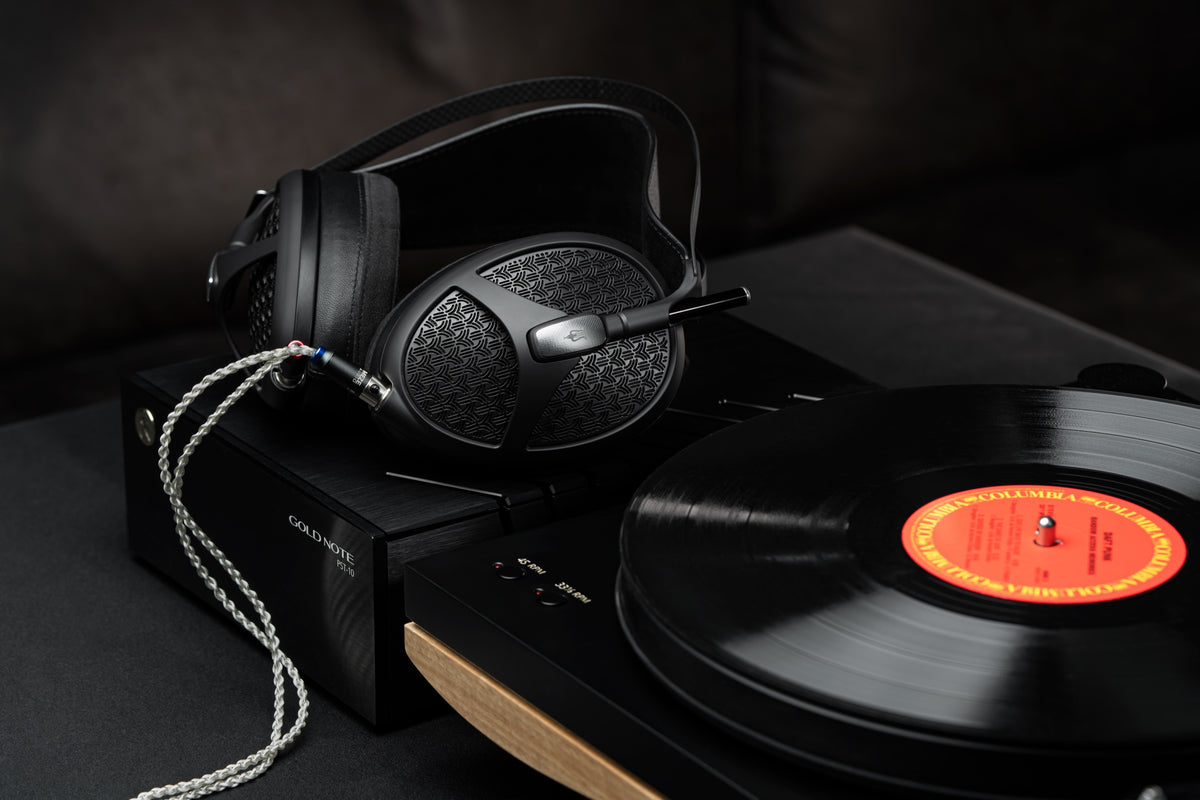
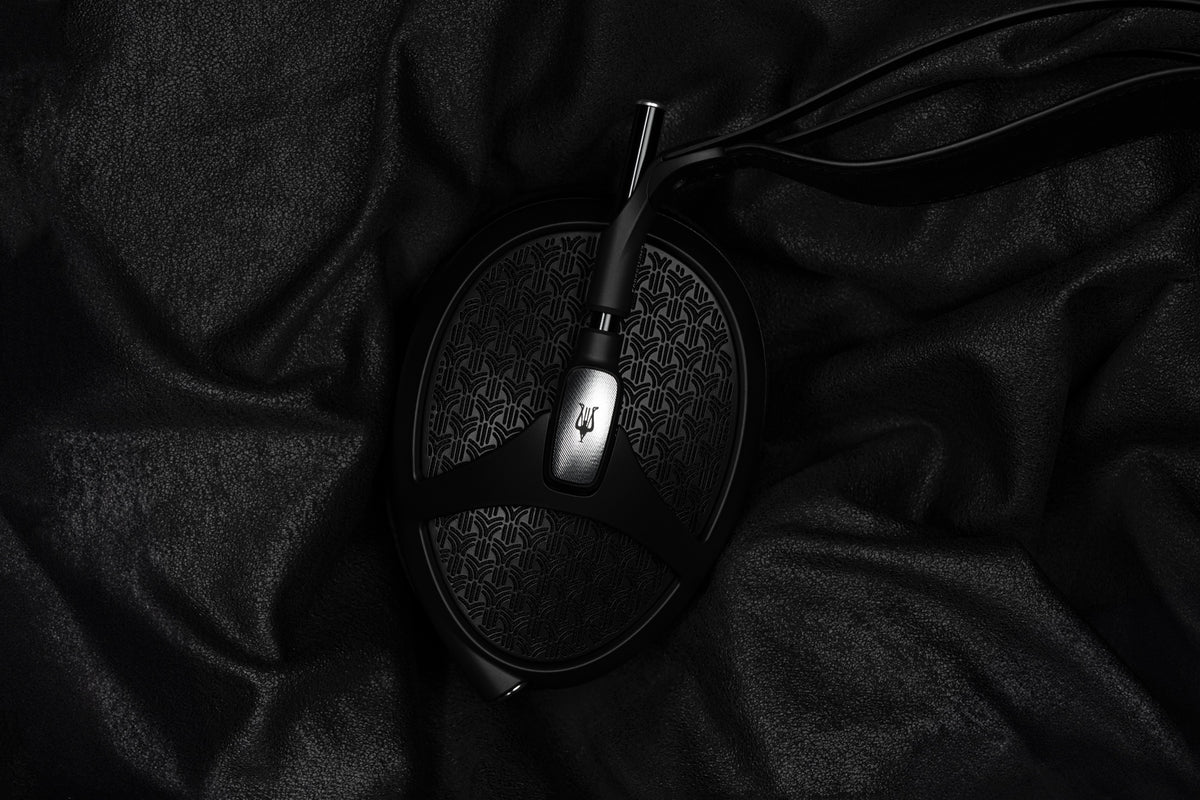
Someone who has to listen in a shared room and wants the closed headphone that gives up the least for it. The Dan Clark Audio Noire X is a closed planar with Dan Clark's metamaterial tuning structure in the cup, it folds flat, and at 385 grams it is lighter than most of what it competes with. The pads are an Alcantara and protein leather hybrid. They seal without much clamp, and it blocks the room the way a good closed-back should: keyboards, voices, a television through a wall. How much it leaks outward depends on your pads and your head. It is tuned close to neutral, with bass present rather than forward. That is the reason it goes on most heads first: it is a closed headphone that does not ask you to accept a closed headphone's tuning. At 13 ohms and low sensitivity it wants an amplifier with current behind it. A phone jack will play it and will not show you what you paid for.
The one to stretch for
It costs about double the Noire X. The Dan Clark Audio E3 is the same lineage one model up, in a bigger cup, and it is the one to hear if the Noire X was right and you want more of it. Hear them next to each other before you pay the difference. The Stealth sits above it and costs a great deal more.
Spend less
The FiiO FT1 is the argument for spending a great deal less. Walnut cups, a 32 ohm dynamic driver any phone drives properly, and a seal that actually seals. It is bass-forward, and whether that reads as rich or as too much depends on your records and how loud you go. The pads run a little small, so on a large head the seal, and with it the bass, may not match the reviews. The stock pads are protein leather and are the first thing on it that will wear out.
The one for eight hours on your head
Somebody who wears headphones for a working day rather than a listening session, and said the word comfort before the word sound. The Beyerdynamic DT 770 Pro has been that answer for decades: velour pads, modest clamp, a headband that survives a bag. Velour is the point and the cost. It breathes, which is why people keep it on all day, and it seals less than leather, so it isolates less and leaks more than the picks above. Buy the 80 ohm version for a laptop or an interface; the 250 ohm needs an amplifier.
The one for somebody who heard the Noire X and said it sounded like work
The ZMF Bokeh Closed is the other side of the argument at the same money: a dynamic driver in a wood cup, tuned warm and forgiving where the Noire X is even and exact. It ships with a leather and suede hybrid pad and a kit of alternative pads and meshes. At 80 ohms and high sensitivity a dongle runs it. It is close to half a kilogram.
The one we would buy used
The Focal Elegia is the pad argument in one headphone. Focal launched it as an expensive closed-back, sold it off cheaply a couple of years later and discontinued it, so the used market is full of them, and it has Focal's midrange. It is a shallow, tightly sealed design, which makes it more dependent on its pads than most. So buy one with tired pads, pay accordingly, and budget for a fresh set.
Discontinued, so it only exists second hand now. If one comes through here on consignment it goes back out graded, pad state on the listing.
If you already own an M50x or a DT 770
Keep it, and buy pads. The Audio-Technica ATH-M50x is the closed-back more people own than anything else on this page, and its protein leather cracks and flakes, reliably. When the pad stops sealing the low bass goes and the isolation goes with it, because on a closed-back they are the same thing. A new set is the cheapest thing you can do to one. The DT 770's velour does the same thing more quietly, by flattening. An amplifier is a real improvement only for the 250 ohm DT 770, and that is impedance, not taste. Otherwise the answer is pads and nothing more.
Come and hear it
The listening room is at Free River Studios, 215 E. Lewis St #301, Livingston, Montana, free and by appointment. Bring the record you know best and the headphone you already own, worn pads and all. The fastest way to hear what a pad does is to switch from yours to a fresh set on the same music.

Third floor at 215 East Lewis Street in Livingston. Bring your own gear in if you like. Write to hello@sonictempleaudio.com and we will find an hour.
Liner Notes
One letter when there is something worth saying. Your address goes nowhere else.

