


Cables & Accessories

Pads, tips, cables, stands, cases and the small parts that keep a headphone working. Two very different things live in this category and it pays to separate them before spending anything.
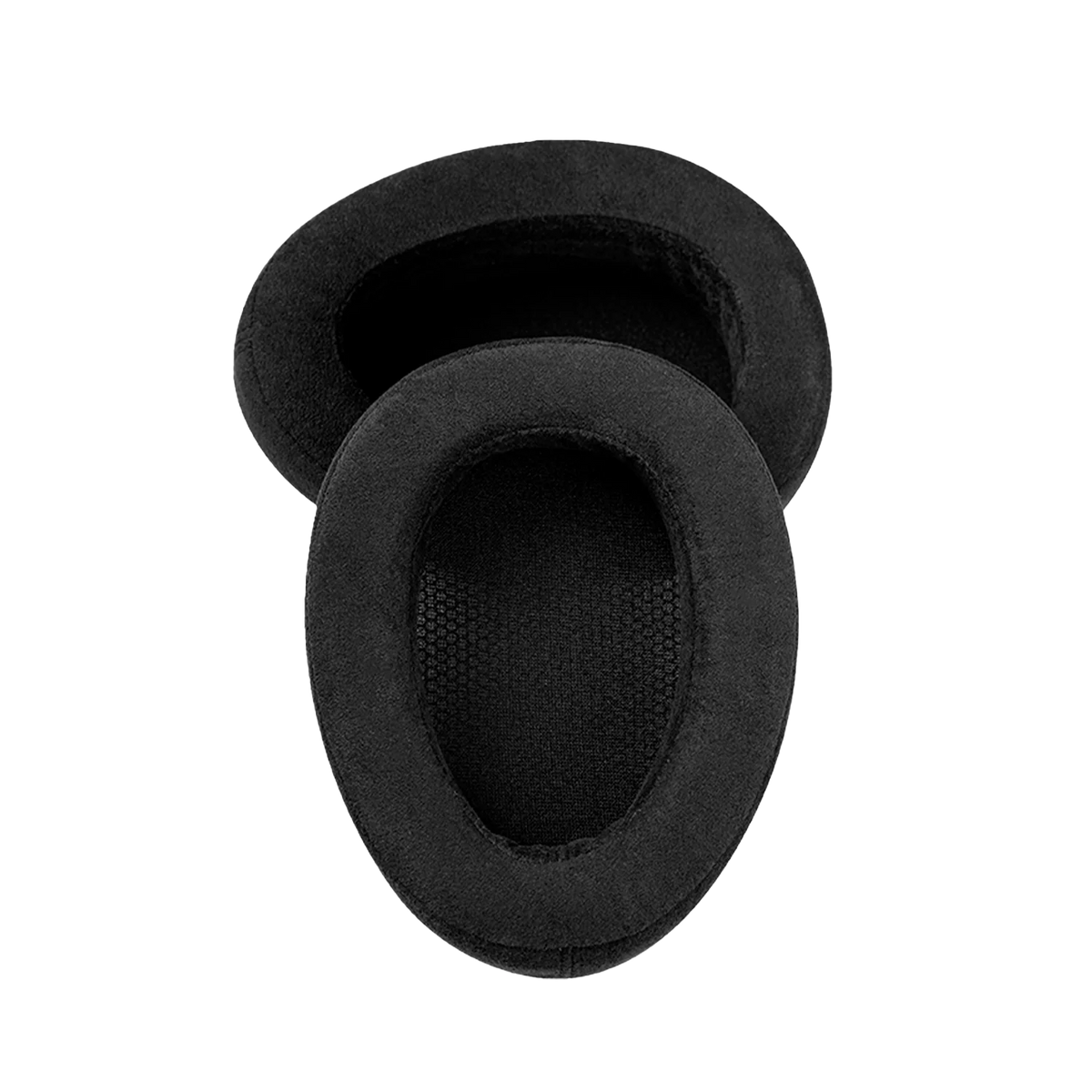
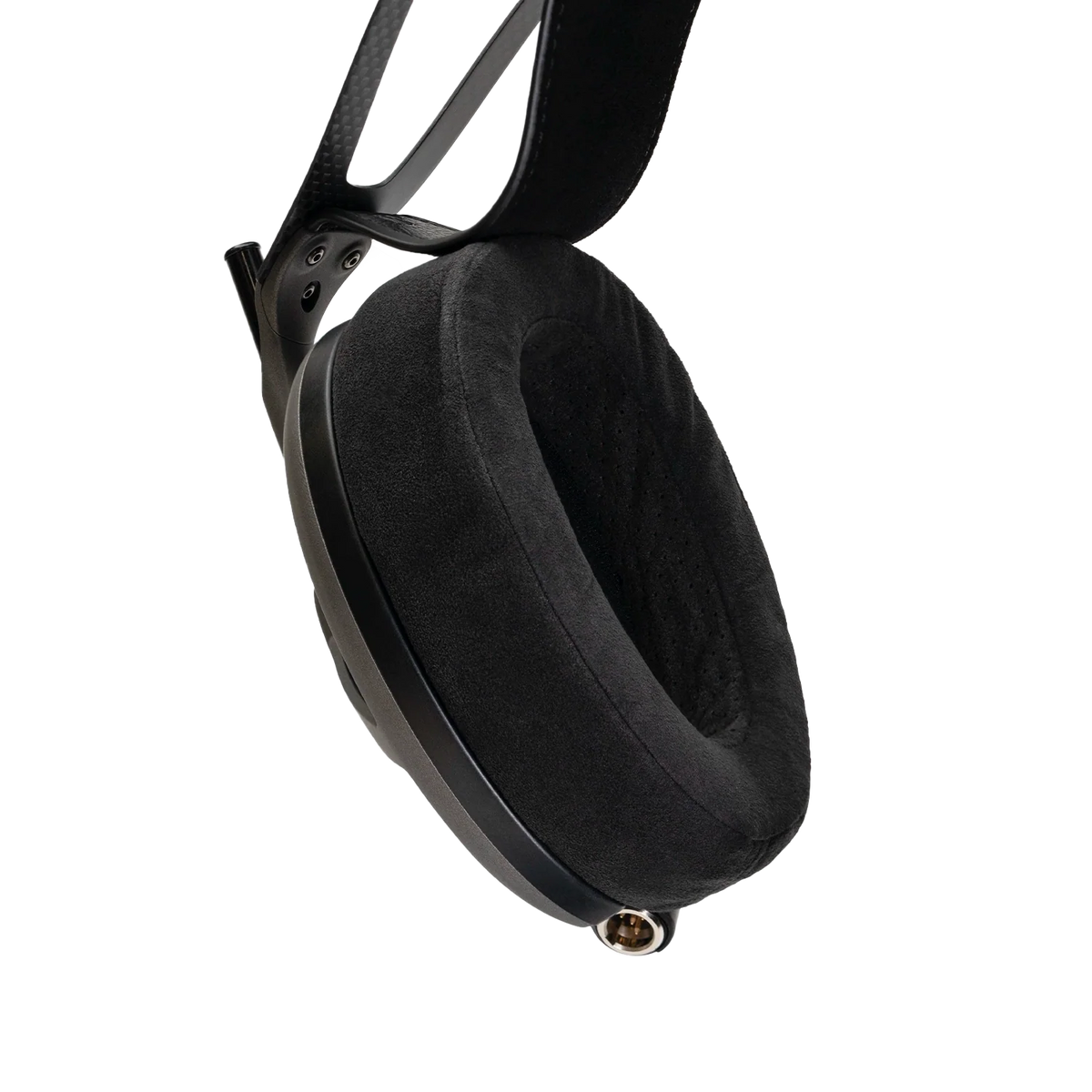
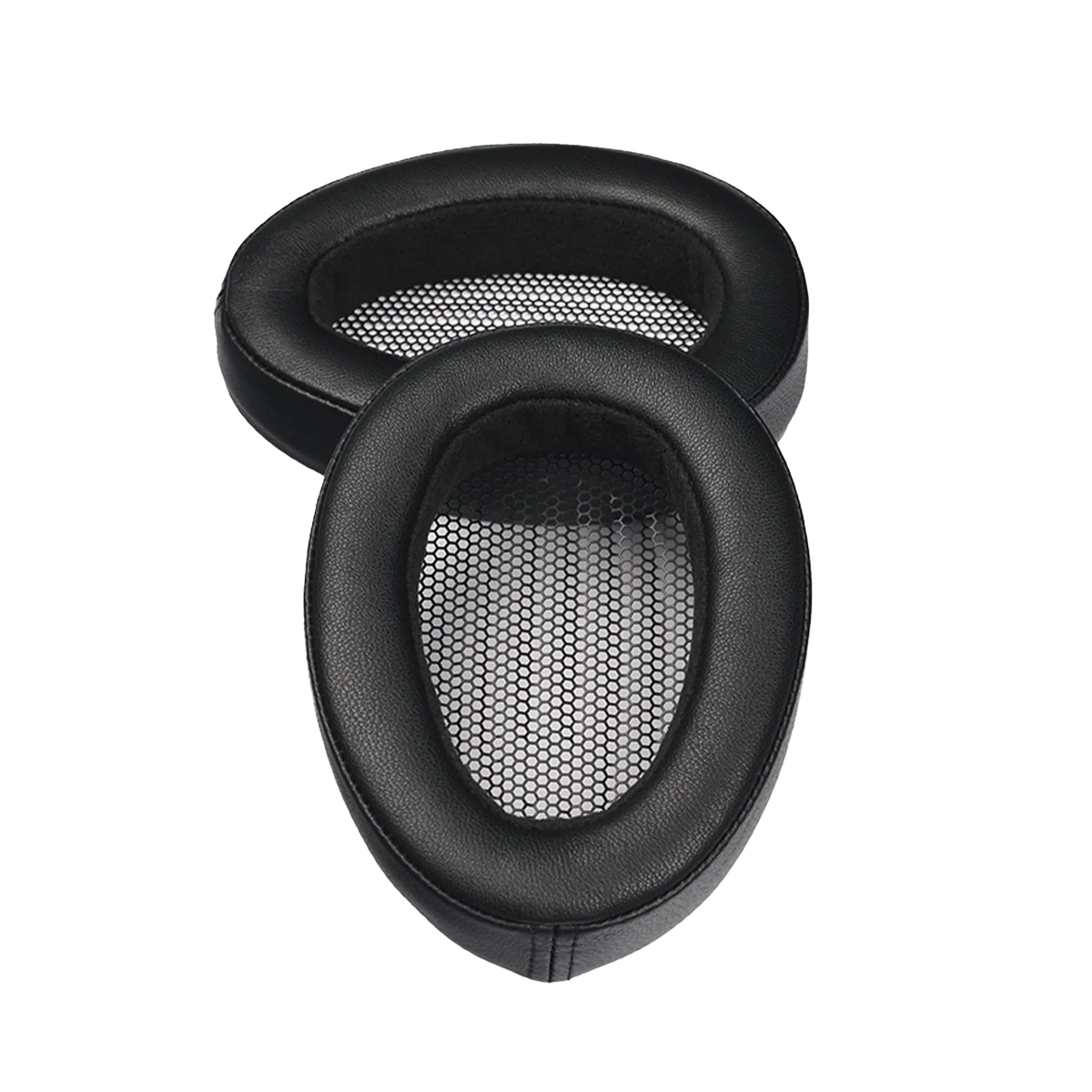
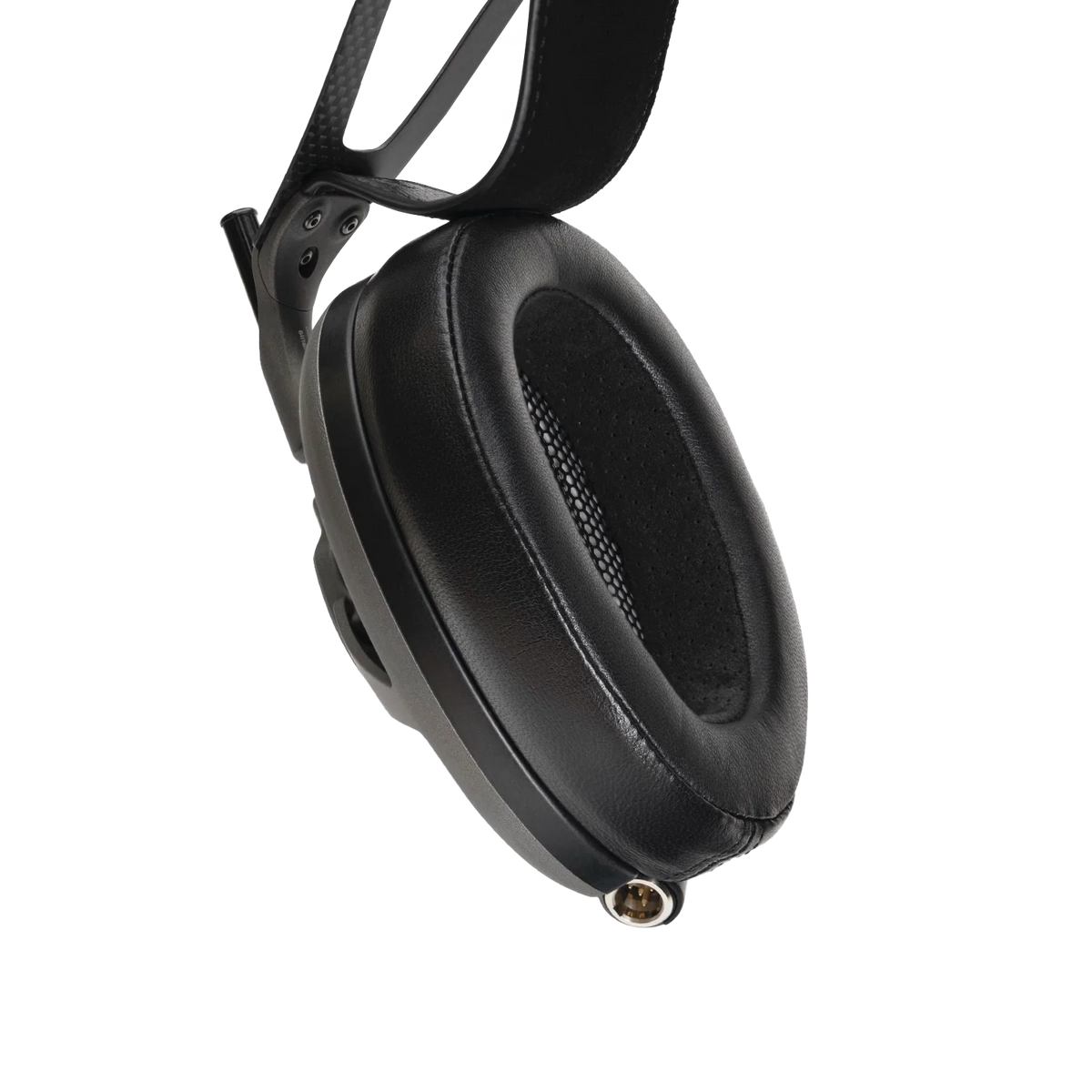
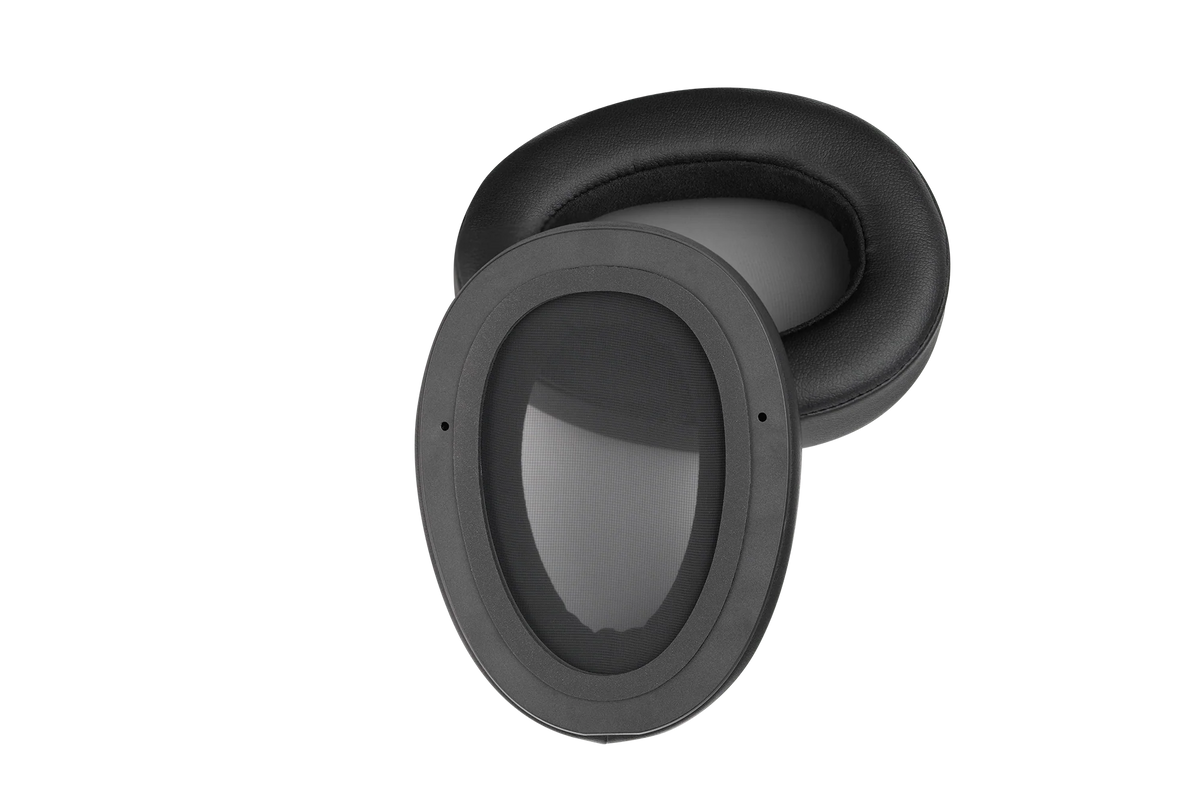
The first are consumables and structural parts, and they change how a headphone sounds and feels. Ear pads are the clearest case: they set the distance from the driver to your ear, the seal against your head, and the volume of air trapped in front of the driver, all of which are acoustic variables. A pad change is a real change, and a flattened pad is a real degradation.
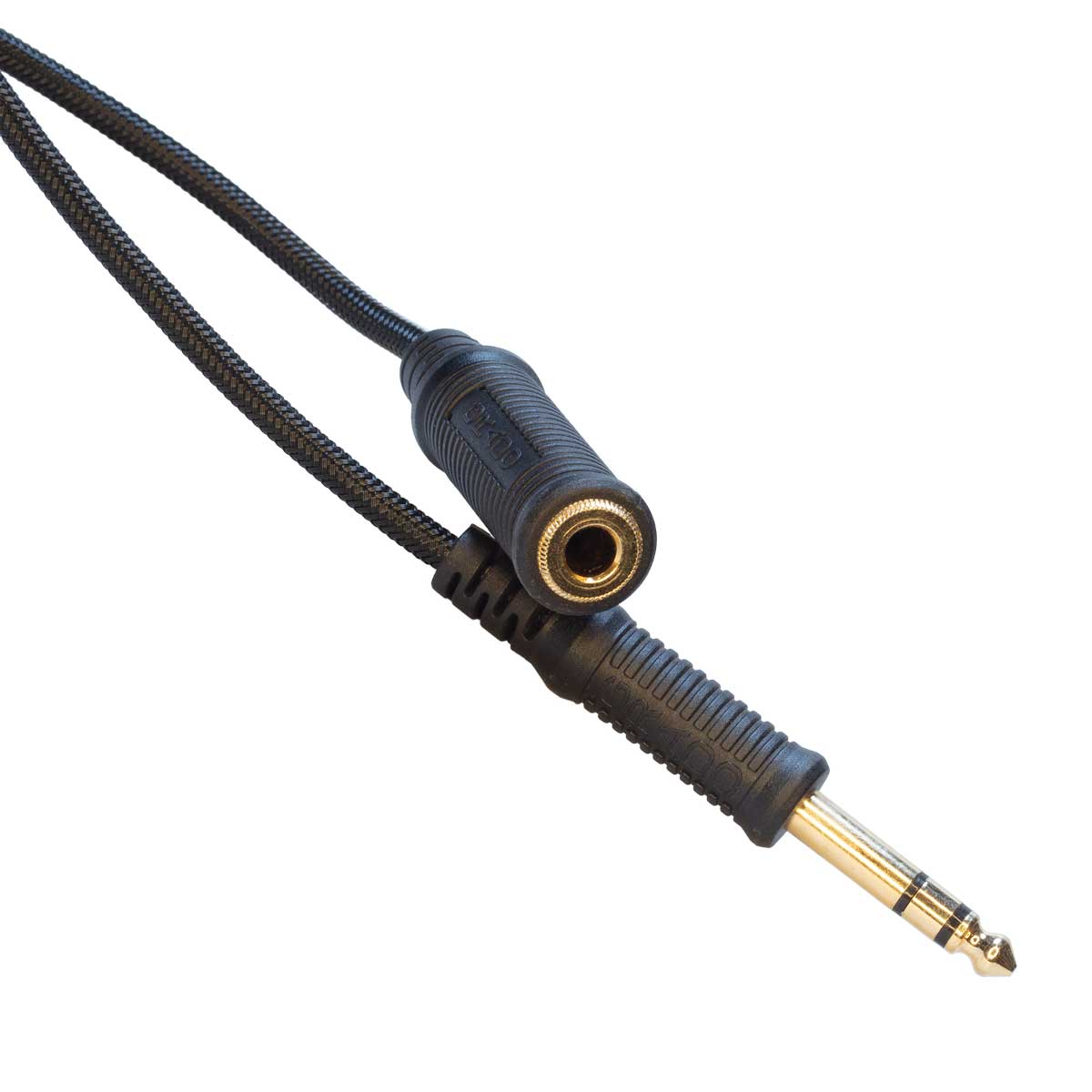
The second are cables and connectors, where the mythology is thickest and the effect is smallest. A cable of the right length, with the right plug, built well enough not to fail at the strain point, has done its job. Most of what is written about the rest of it is not describing anything that can be measured or reliably heard.


Which one
If something about your headphone is nearly right, start with pads. They are the cheapest change with the largest effect, and they move the frequency response in ways that are broadly predictable. A thicker pad pushes the driver further from your ear and usually calms the upper midrange. A denser, better sealing pad usually gives you more bass. Changing material, velour to leather or perforated to solid, changes the seal and the treble together. If a headphone is bright, or if the bass leaves the moment your glasses break the seal, this is the fix, and it costs tens of dollars rather than hundreds.
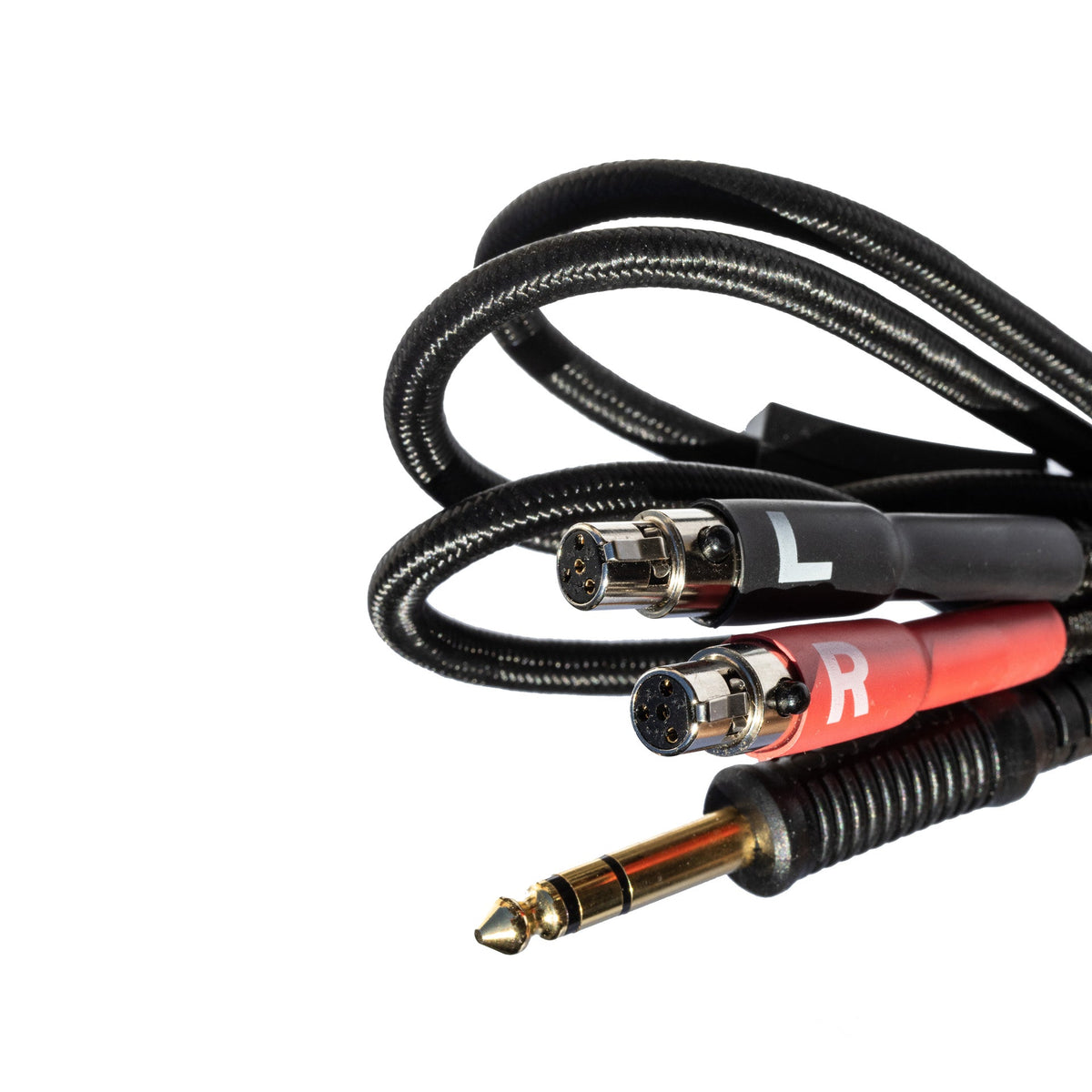
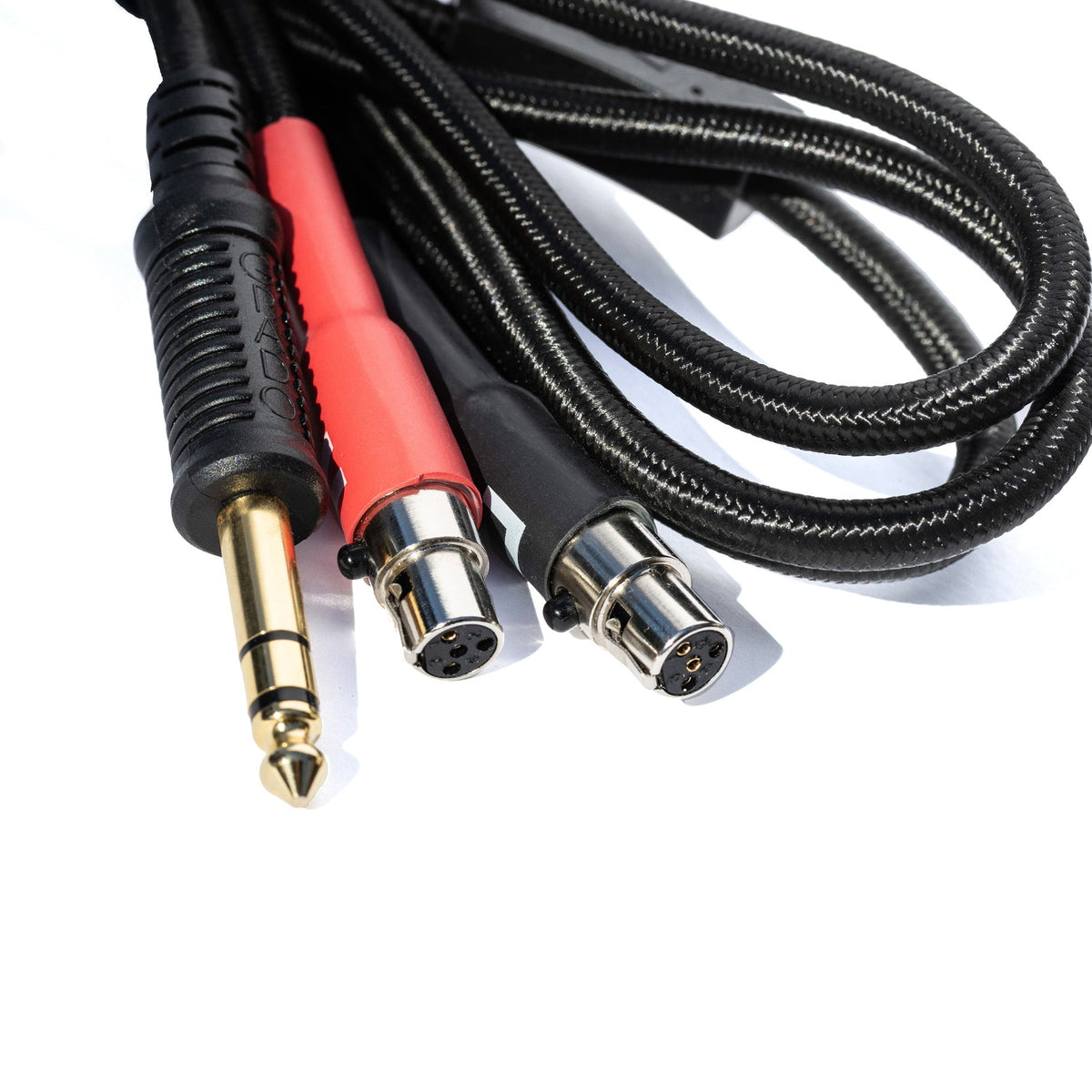
Buy a cable for one of three reasons and be suspicious of the rest. Length, because the one in the box is wrong for your chair. Connector, because your amplifier has a balanced output and your cable is single ended, or the reverse. Or repair, because the original failed at the plug or the strain relief, which is where nearly all of them fail. A balanced cable does something when the amplifier is balanced all the way through, and nothing at all when it is not, and the socket on the front does not tell you which you have.
Tips, spare parts, stands and cases
Tips for in-ears are the equivalent of pads and matter even more, because nothing works without a seal. Buy an assortment of sizes before you buy anything else, and try foam alongside silicone.
Before buying anything, check whether the maker sells the part you need. A headband, a hinge, a cup or a pad sold as a spare is the difference between a repair and a replacement, and it is the most useful thing to know about a headphone you intend to keep. Where the part exists, buy the part. Where it does not, a third party pad is often the only way back, and it is worth trying before you give up on the headphone.
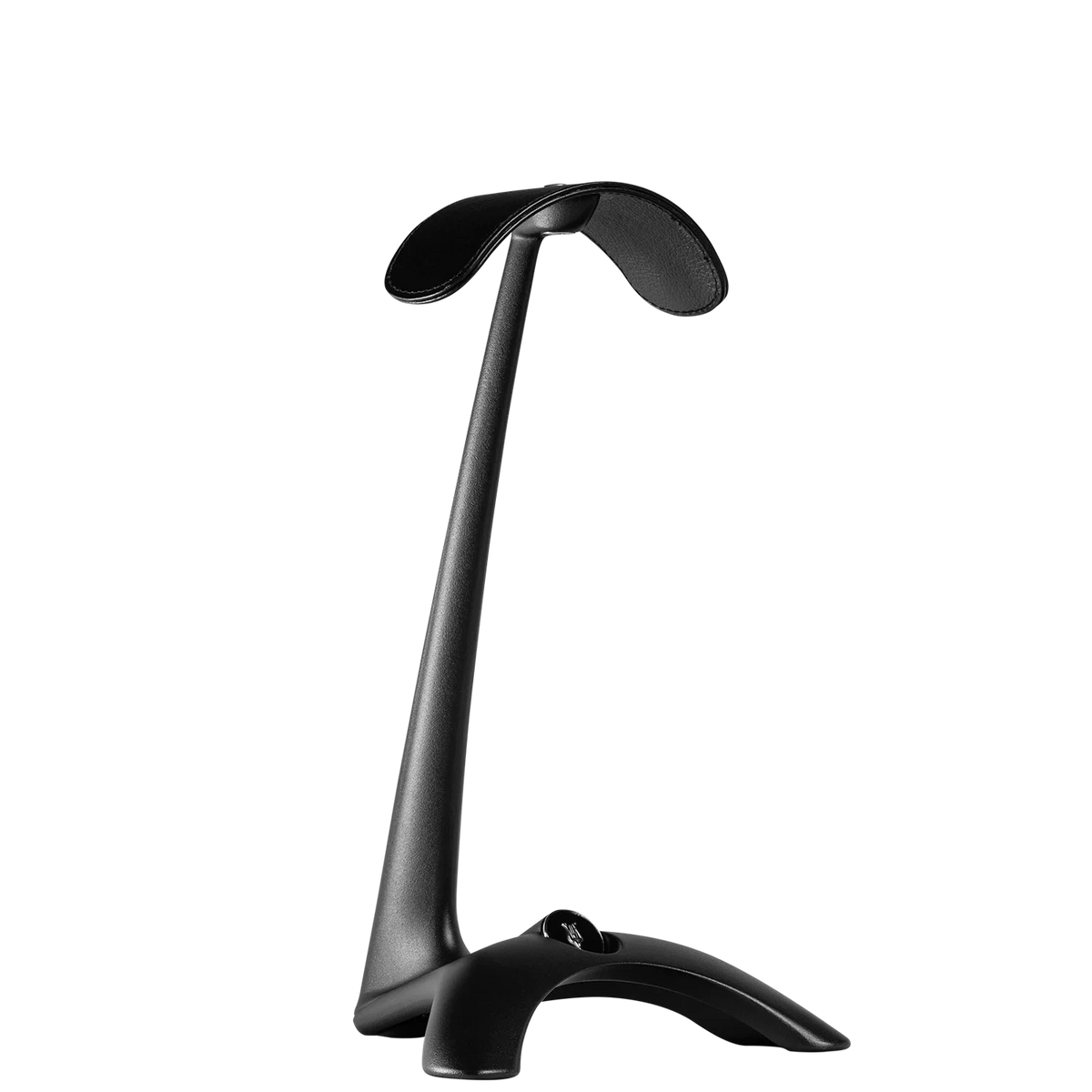
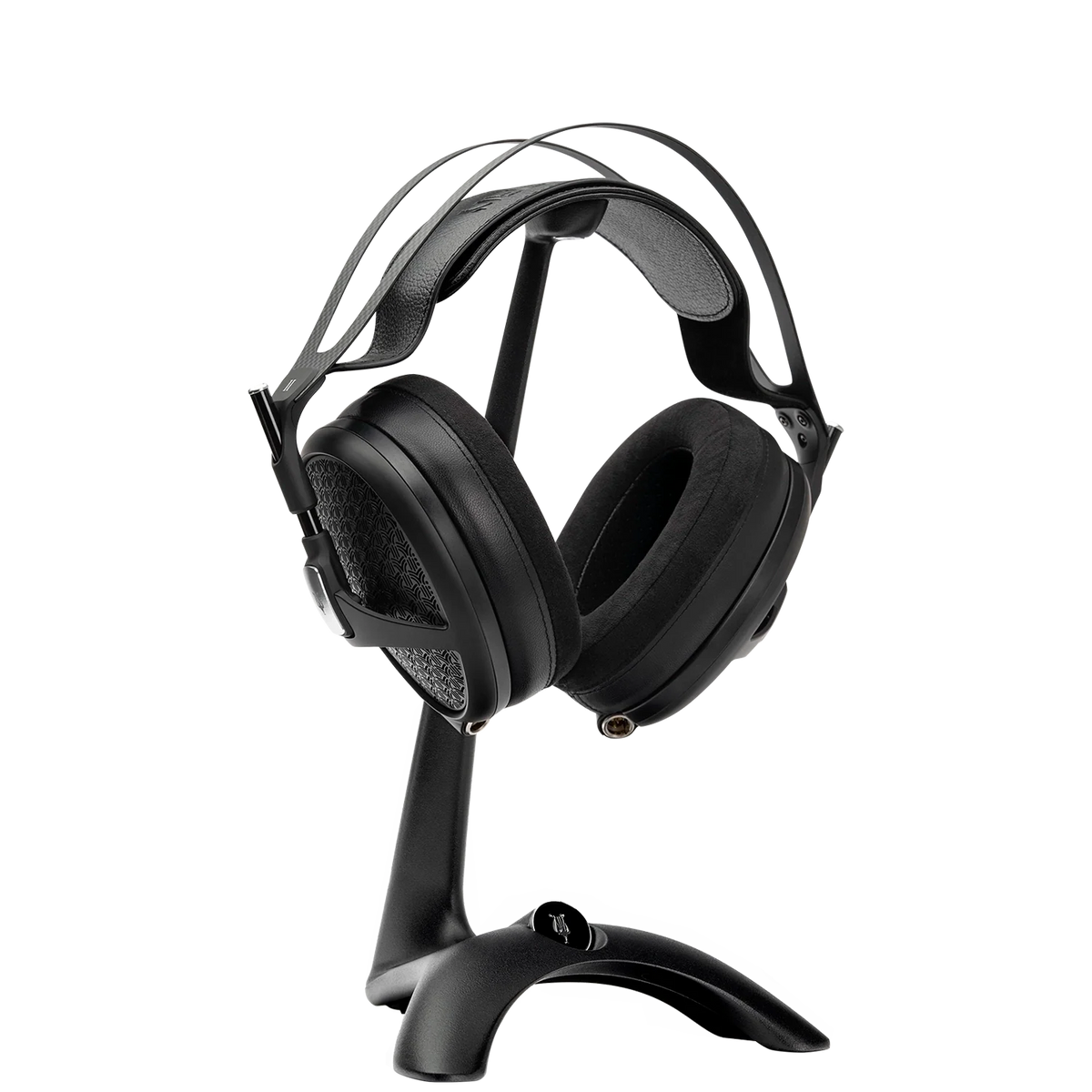
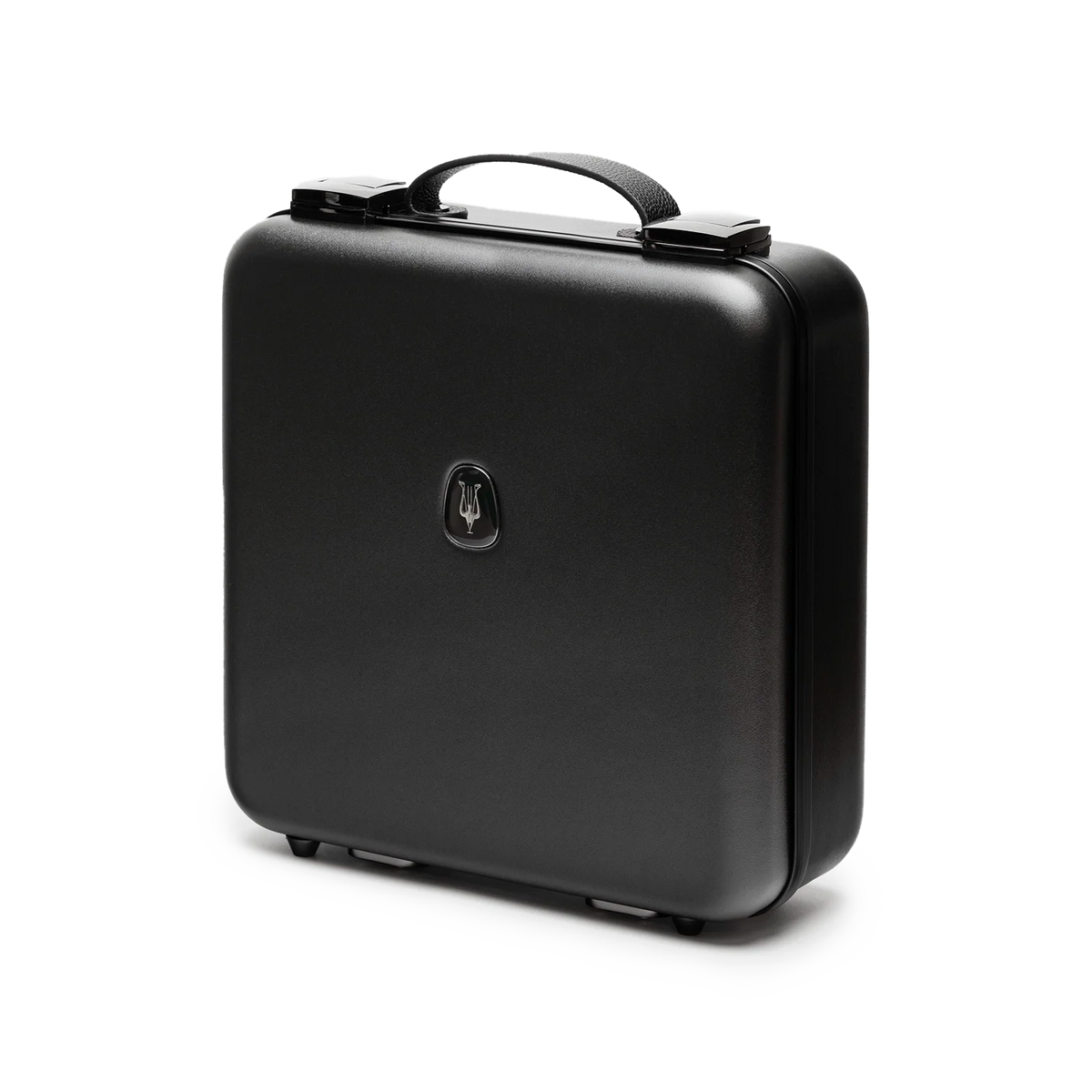
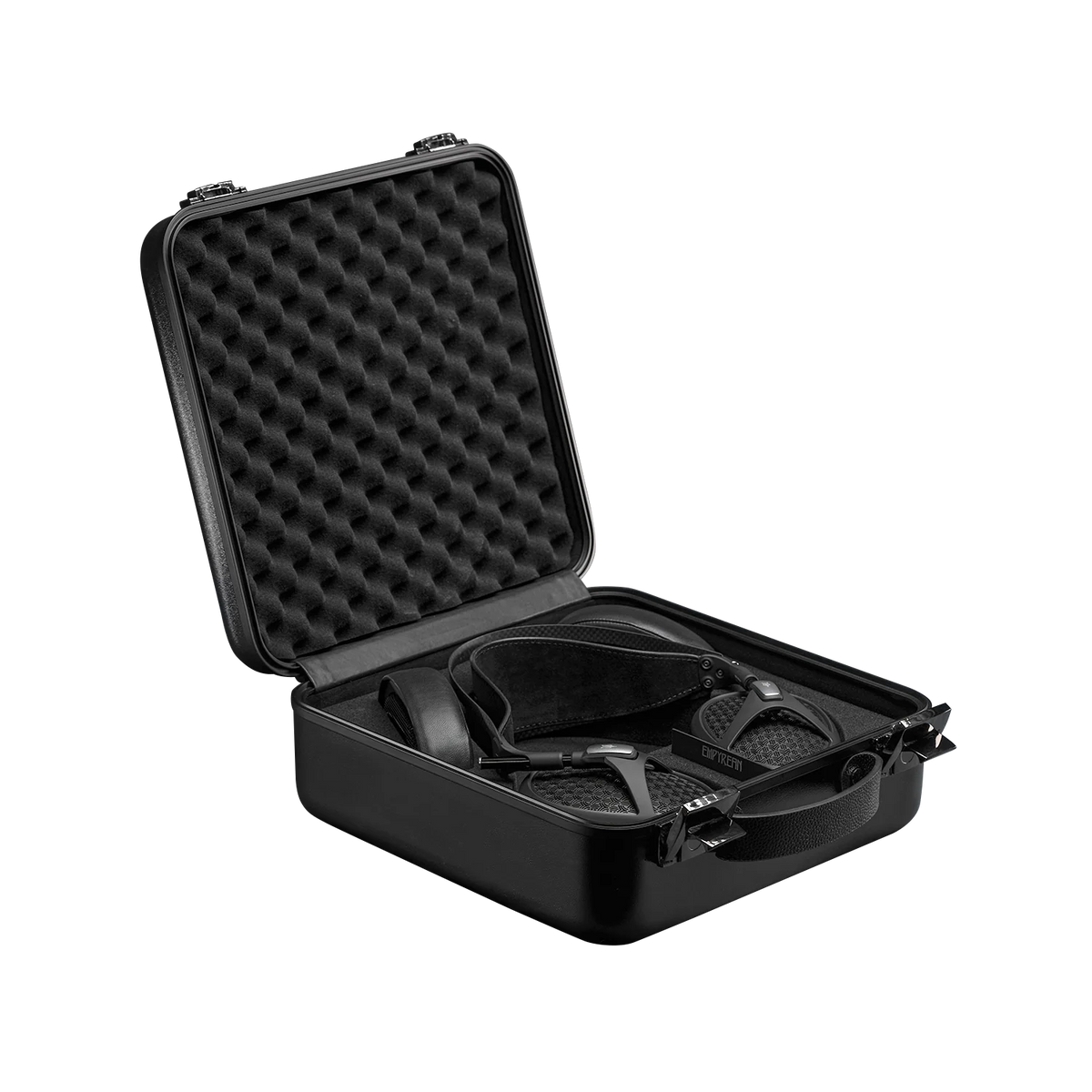
Stands and cases are about keeping the thing alive. A headphone left flat on a desk gets sat on, and a pad left compressed under a headband hardens faster. Neither is glamorous and both are cheaper than the repair.
Worth knowing
Pads are the most consequential accessory and the most neglected. They are a wear item with a life of a few years, they change slowly enough that you adapt instead of noticing, and replacing them brings back headphones people had written off. If you own one you loved five years ago and like less now, change the pads before you change the headphone.
Third party pads are a real option and they are not a straight swap. A pad built to a different depth or density changes the tuning, sometimes in a direction you prefer and sometimes not. Treat a third party pad as a modification with an opinion rather than as a spare part.
Cables, adapters and plugs
On cables, the part worth holding on to is this. Resistance, capacitance and build quality are the properties a cable actually has, and on a headphone cable of normal length all three are easy and cheap to get right. Where a cable can genuinely matter is at the extremes: a very long run, an unusual load, or an amplifier with a high output impedance.
Adapters are where signal paths quietly change without anyone saying so. A 3.5 mm to quarter inch adapter is passive and harmless. A 4.4 mm balanced plug going into a single ended socket through an adapter is either shorting one leg or is not what it says it is. Know which kind you are buying.
The last one is dull and saves the most money. Nearly every headphone cable failure happens within an inch of a plug, from bending. A right angle plug for pocket use, and the habit of pulling on the plug instead of the cable, will outlast every upgrade in this category.
Worth reading
All guides
Cables fix real problems: length, weight, microphonics, a plug that fits. They do not change how a headphone sounds, and here is where cable choice does matter.

Ohms, sensitivity, and the needs-an-amp argument. What the number actually tells you about a headphone, and the cases where it tells you nothing useful.
What you get either way
The listening room
Third floor at 215 East Lewis Street in Livingston, by appointment. An hour in the room settles this faster than anything either of us could write.
How we grade
Used and consigned gear is graded at the worst axis and never averaged. Every defect is named on the listing and the standard is published, so as described is something you can hold us to.


