


The Best Headphones Around $300
Reviewed September 2026. Three hundred dollars buys a headphone you can keep for ten years without outgrowing it. The band below runs about $240 to $360. Everything is open-back unless it says otherwise, so it leaks out and lets the room in, and there is a closed pick for a house with somebody asleep in it.
If you want to hear one of these before you decide, ask first and we will tell you what we can put in front of you. The headphones page carries today's prices.
| Pick | Back | Impedance | Amplifier |
|---|---|---|---|
| Sennheiser HD 600 | Open | 300 ohms | Not optional |
| Sennheiser HD 650 | Open | 300 ohms | Not optional |
| Drop x Sennheiser HD 6XX, about $220 | Open | 300 ohms | Not optional |
| Meze 105 AER, $299 | Open | 42 ohms | Runs off a laptop jack |
| Meze 99 Classics 2nd Gen, $349 | Closed | Runs off a phone | |
| Grado SR325, $350 | Open, on ear | 38 ohms | |
| Grado GW100x, $275 | Open, wireless |
The two that own this number
The Sennheiser HD 600 and HD 650 have been the default answer here since before most of the competition existed, and choosing between them is the most-asked question in the hobby. Same frame, same 300 ohm driver family, same pads, roughly the same money.
The HD 600 is the more even of the two through the midrange and the top, and it is the one for voices, strings and small rooms. The HD 650 takes the same design and warms it: more weight low down, less edge up top, and voices come through with more body. The 600 puts them a step further forward. Which of those you want is the whole decision.
The faults are the same on both. At 300 ohms and modest sensitivity, a phone runs out of volume before you run out of music, so an amplifier is not optional. The clamp is firm out of the box. And neither goes deep: both roll off in the bottom octave, which every measurement of them shows and nobody argues about. If your music lives down there, keep reading.
The Drop x Sennheiser HD 6XX is an HD 650 in midnight blue with a shorter cable and a 3.5 mm plug. Sennheiser sells it directly for about $220, which is well under the number and puts the warm side of that choice within reach of almost anyone. No dealer has ever been allowed to carry it, so we can’t sell you one: buy it from Sennheiser. If you buy used instead, check the pads before you agree a price, and budget for a new set regardless: a flattened pad moves the driver closer to your ear and changes the sound more than any cable ever will. Check the headband foam, check the plug, and check that both sides play clean at low volume with nothing buzzing.
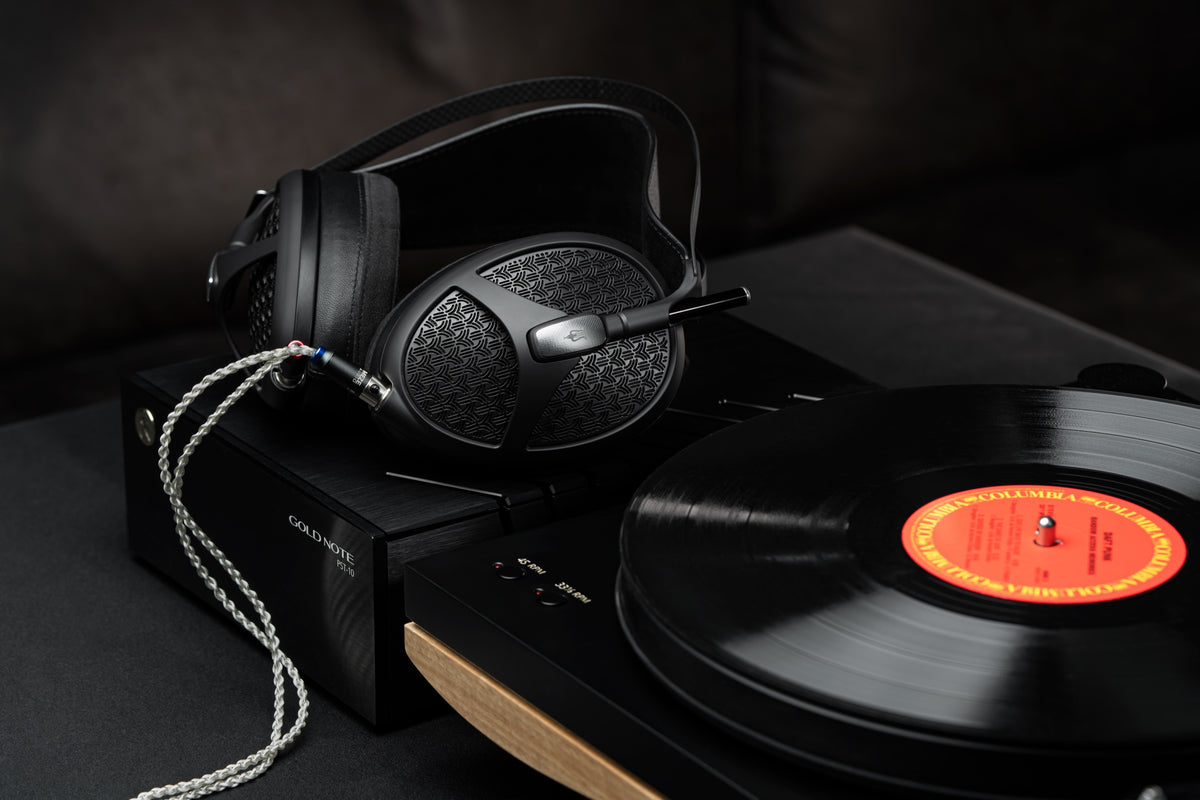
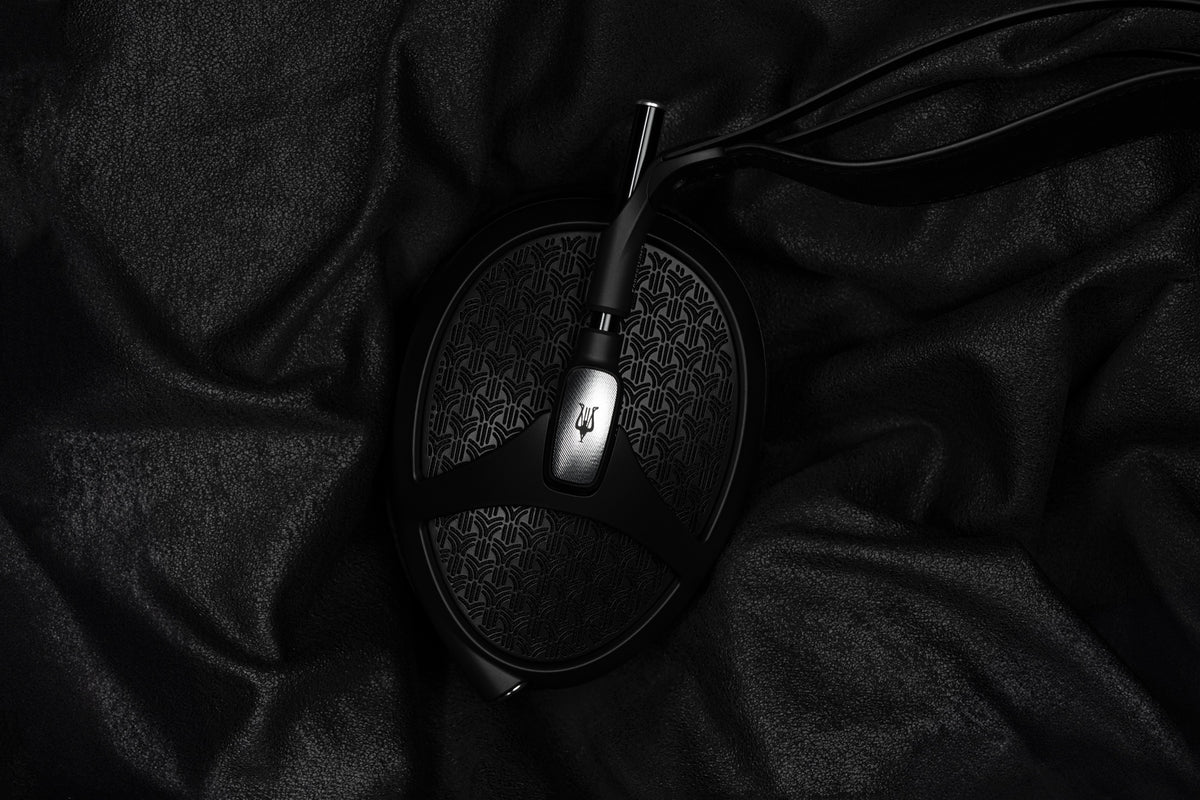
Meze 105 AER, $299
Open-back, a 50 mm dynamic driver, 42 ohms, and it reaches full volume from a laptop jack, which puts it in a different life from the Sennheisers above: no amplifier, no ceremony. Meze sells the parts separately, down to the headband, so a broken one is a repair rather than a write-off.
If you want an open headphone and no amplifier to go with it: Meze 105 AER.
Meze 99 Classics 2nd Gen, $349
Closed-back, walnut cups, and an easy enough load to reach full volume from a phone. The second generation made the pads clip off by hand, which matters more than it sounds, because pads are the part that wears out first. This is the one for the room with somebody asleep in it, or the desk where the person next to you should not have to hear your music.
The trade is the one every closed headphone makes, and it is not small: isolation costs you the open sound of everything else on this page. If nothing about your situation requires isolation, buy an open one instead. If something does: 99 Classics 2nd Gen.
Grado SR325, $350
Aluminium housing, foam bowls that sit on the ear rather than around it, 38 ohms, built in Brooklyn by a family who have been doing it much the same way for decades. It is forward and it does nothing by halves. Nothing else here sounds like a Grado. On a bright recording it will tell you the recording is bright, in a tone you cannot ignore.
The faults are well known: the on-ear fit rules it out for some people on its own, it isolates in neither direction, and the top end is the entire argument about this headphone. Ask before you drive and we will tell you whether we can put an SR325 in front of you.
The rest of the Grado line is here.
Grado GW100x, $275
Open-back and wireless, which is a strange combination and worth understanding before you spend the money. Open-back means the sound goes out and the room comes in, so this is not a commute headphone, not a plane headphone, and not a headphone for an open-plan office. What it is good at is the house: a desk, a kitchen, a workbench, anywhere you want to move around without a cable and still hear somebody at the door. Almost nobody else builds one. GW100x.
Three more that belong in this band
The beyerdynamic DT 900 Pro X belongs in this band, runs at 48 ohms so it does not ask much of an amplifier, and is tuned less pointedly than the old DT 990 that earned beyerdynamic its reputation for treble. The Audio-Technica ATH-R70x is the lightest serious open-back anyone sells at about 210 grams, and at 470 ohms it is also the hungriest: it wants voltage, and it is lean at the bottom. The HIFIMAN Sundara is the cheapest planar most people will point you at, and the long-standing reservation about it is build quality rather than sound. We don’t stock these three, and what is above is specification and settled reviewer consensus rather than our own time with them.
If you already own one of these
Do not buy another headphone at the same number. If you own an HD 6XX you own an HD 650, and the HD 600 is only worth the money once you have heard both and know you are on the other side of it. When the pads flatten, replace the pads. And if you are running a 300 ohm Sennheiser out of a laptop, the thing missing from your setup is an amplifier rather than a headphone, and the amp explainer tells you how to be sure.
Come and settle it
The listening room is at Free River Studios, 215 E. Lewis St #301 in Livingston, free and by appointment. Email before you drive and we will tell you what is on the stand that week, and whether we can get anything else in front of you. Bring the record you know better than any other, the one whose faults you can hum.

Third floor at 215 East Lewis Street in Livingston. Bring your own gear in if you like. Write to hello@sonictempleaudio.com and we will find an hour.
Liner Notes
One letter when there is something worth saying. Your address goes nowhere else.

