


Skip to content

Cart

Your cart is empty

Continue shopping
Empyrean II resting on a turntable beside a spinning record with an orange label, silver cable trailing across the plinth, dark background, warm side light.

All Records

What it is

Two copies of one album can sound different

A record is a performance cut as a spiral groove and pressed into vinyl, and it is the only thing in this shop where two copies of the same album can genuinely sound different. The music is identical. What changes is the master it was cut from, the plant that pressed it, and what has happened to that particular copy since it left the sleeve for the first time.

A pressing cut from the original tape and a pressing cut from a file made for CD are not the same record even though the barcode agrees. A clean copy and a scuffed copy are not the same record either. New and used both belong here, and the work is saying which is which, and saying what we know about the one you are actually buying.

Wu-Tang Clan: Enter the Wu-Tang (36 Chambers), front cover
Tyler, the Creator: Don't Tap the Glass, front cover
The Velvet Underground: The Velvet Underground & Nico, front cover
The Smiths: The Queen Is Dead, front cover
The Smashing Pumpkins: Mellon Collie and the Infinite Sadness, front cover
The Rolling Stones: Let It Bleed, front cover
The Head and the Heart: Living Mirage, front cover
The Head and the Heart: Let's Be Still, front cover
The Head and the Heart: Every Shade of Blue, front cover
The Cure: The Head on the Door, front cover
The Clash: London Calling, front cover
The Beatles: The Beatles (The White Album), front cover
The Beatles: Sgt. Pepper's Lonely Hearts Club Band (2017 Stereo Mix), front cover
The Beatles: Rubber Soul, front cover
The Beatles: Revolver, front cover
The Beatles: Abbey Road (50th Anniversary), front cover
Taylor Swift: Speak Now (Taylor's Version), front cover
Taylor Swift: Midnights (Jade Green Edition), front cover
Talking Heads: Speaking in Tongues, front cover
Sonic Youth: Daydream Nation, front cover
Rage Against the Machine: Rage Against the Machine, front cover
Radiohead: Pablo Honey, front cover
Radiohead: Kid A, front cover
Price$40.00
Radiohead: In Rainbows, front cover
Prince: Purple Rain, front cover
Price$30.00
Pixies: Doolittle, front cover
Price$35.00
Pink Floyd: The Wall, front cover
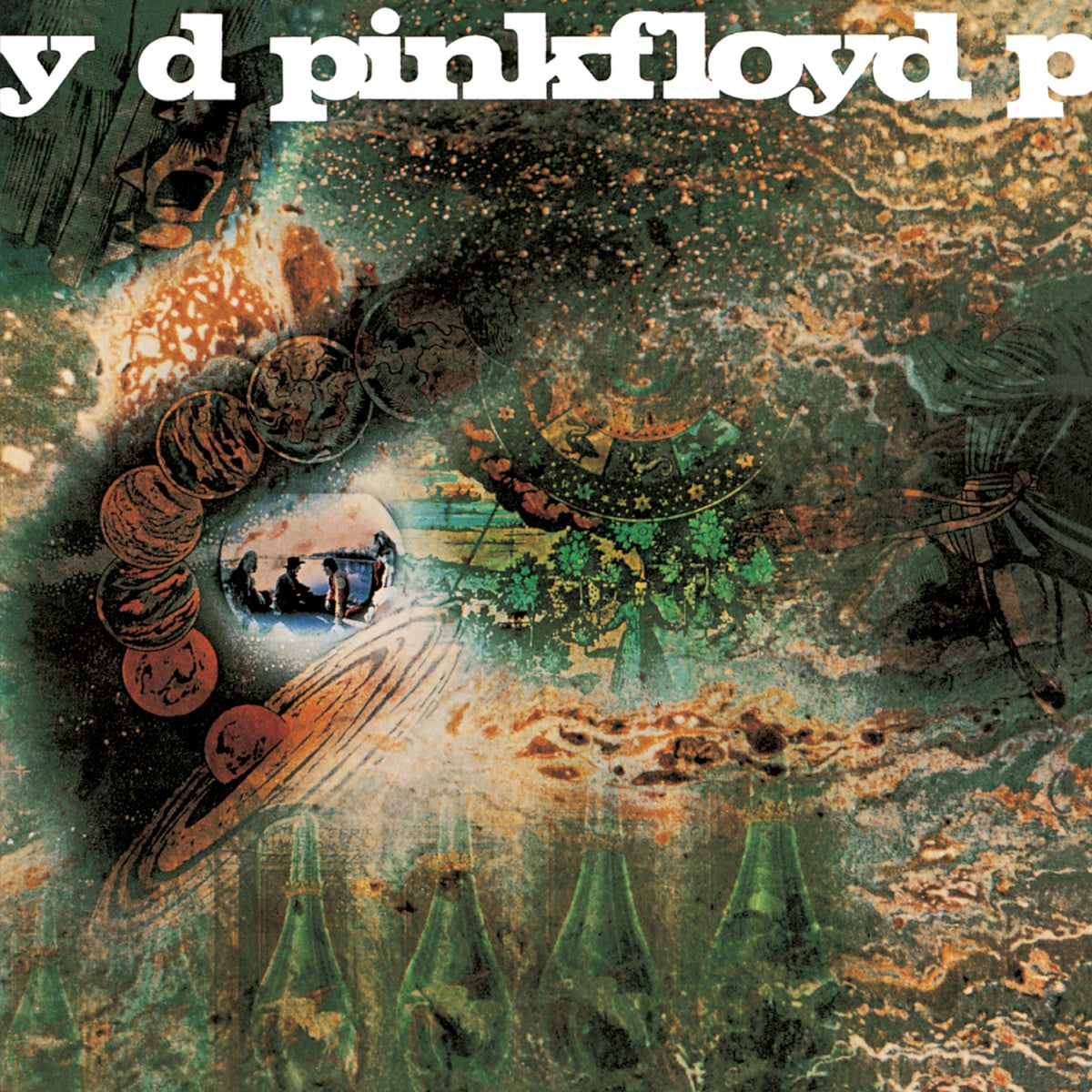
Pink Floyd: A Saucerful of Secrets (Mono), front cover
Pearl Jam: Ten, front cover
Price$24.00
Niko Moon: Good Time, front cover
Michael Jackson: Thriller, front cover
Marvin Gaye: What's Going On, front cover
Led Zeppelin: Physical Graffiti, front cover
Led Zeppelin: Led Zeppelin IV, front cover
Led Zeppelin: Led Zeppelin III, front cover
Led Zeppelin: Led Zeppelin II, front cover
Led Zeppelin: Led Zeppelin, front cover
Led Zeppelin: Houses of the Holy, front cover
Lauryn Hill: The Miseducation of Lauryn Hill, front cover
Kendrick Lamar: To Pimp a Butterfly, front cover
Johnny Cash: At Folsom Prison, front cover
John Coltrane: Blue Train, front cover
Green Day: Dookie, front cover
Price$30.00
Erykah Badu: Baduizm, front cover
Ella Fitzgerald and Louis Armstrong: Ella and Louis Again, front cover
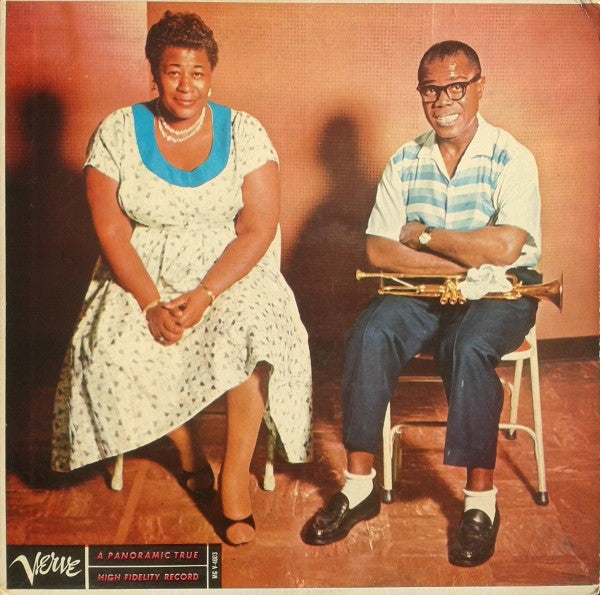
Ella Fitzgerald and Louis Armstrong: Ella and Louis, front cover
Drive-By Truckers: Welcome 2 Club XIII, front cover
David Bowie: The Rise and Fall of Ziggy Stardust and the Spiders from Mars, front cover
Before you buy

What to look for

New or used

Start with new or used, because they answer different questions. A new pressing is a known quantity: current, flat, unplayed, and available. Used is where the interesting pressings live, along with the out of print, the original issues, and most of the value. The trade off is that a used copy has a history and somebody has to describe it honestly.

The pressing

Then the pressing, and this is the fork that matters most. The year on the label tells you less than the master does. A 2020 reissue cut from the original analogue tape can beat a worn original, and a reissue cut from a digital file made for CD in 1987 will sound like that file no matter what the vinyl weighs. Good reissue labels state their source. When a label says nothing about where the master came from, that silence is information.

Speed and disc count

Speed and disc count are the next question and they are not marketing. Cutting an album across four sides at 45 rpm gives the cutting engineer more groove for the same music, which allows a hotter cut and less compromise in the inner grooves. It also costs more, needs two more side changes, and matters less on quiet material than on loud.

Weight

Weight is the specification people rank by and it is the one that does least. A 180 gram pressing is more rigid and tends to sit flatter, which is worth something over decades. It does not add resolution, and it cannot improve a master.

The grade

For a used copy, the grade is the specification. Read the record grade, read the sleeve grade, and read the condition notes, because those notes are where the specific defects live.

The grading standard

The record trade already has a published grading standard and we use it. Goldmine runs Mint, Near Mint, Very Good Plus, Very Good, Good Plus, Good, Fair and Poor, and we apply it conservatively. Three rules do most of the work. Grade the worst part of the record, because people play the whole album. Grade the record and the sleeve separately and list both, because a clean disc in a beaten jacket is exactly that and nothing is served by averaging them. When a copy sits between two grades it gets the lower one.

Mint

Mint means sealed and unplayed, full stop. A still sealed record from 1972 with shelf wear on the jacket is Near Mint, not Mint.

Noise or dirt

Surface noise and dirt are not the same problem, and telling them apart saves you cleaning the same record four times. Dirt is broadband, it moves around, and it comes off. A pressing fault repeats in the same place on every rotation and will be there forever. A record can be spotless and still tick.

The dead wax

The dead wax holds the identification. The etched or stamped characters in the run out groove name the lacquer, the stamper and often the cutting engineer, which is how a specific pressing gets identified rather than guessed at.

Storage

Two habits protect a collection more than any purchase. Store records vertically, supported so nothing leans, away from sun and heat. And get the paper inner sleeves out, because the sleeve most records shipped in is abrasive enough to put the fine scuffing on the disc that you will later be grading.

Consignment and trade

We take records on consignment and in trade. Tell us what you have.

Tell us what you have

What you get either way

The listening room

Third floor at 215 East Lewis Street in Livingston, by appointment. An hour in the room settles this faster than anything either of us could write.

Plan a visit

How we grade

Used and consigned gear is graded at the worst axis and never averaged. Every defect is named on the listing and the standard is published, so as described is something you can hold us to.

The condition scale